Switzerland and EU Deepen Security and Defence Cooperation
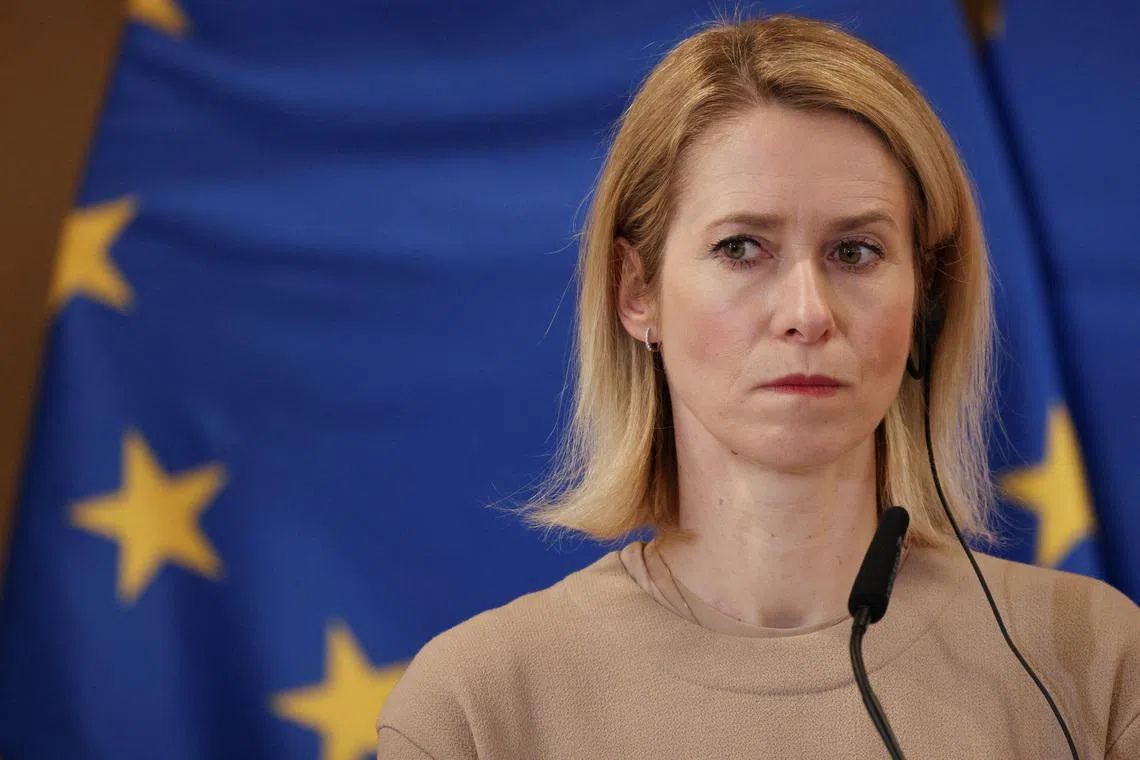
Zurich, Switzerland – In a significant move signaling closer alignment on security matters, Switzerland and the European Union have agreed to deepen their cooperation in areas ranging from information exchange on the conflict in Ukraine to addressing broader geopolitical challenges in the Middle East, Africa, and beyond. The commitment, formalized through a joint declaration following talks in Zurich on Thursday, March 5, 2026, between Swiss Foreign Minister Ignazio Cassis and EU foreign policy chief Kaja Kallas, reflects a growing recognition of shared security interests and the require for enhanced collaboration in an increasingly complex global landscape.
This strengthened partnership comes as Europe grapples with ongoing security concerns, including the war in Ukraine and instability in the Middle East. Switzerland, while historically neutral, has been adapting its foreign policy in recent years to more actively engage with international security initiatives. This move underscores a pragmatic shift towards greater collaboration with its European neighbors, particularly within the framework of maintaining regional stability. The agreement aims to facilitate a more coordinated approach to addressing shared threats and promoting peace and security.
The joint declaration outlines a commitment to annual dialogue and increased exchanges on a wide spectrum of issues, including Ukraine, the Middle East, Africa, Asia, Latin America, and the United States. Swiss representatives will, where appropriate, be invited to participate in meetings of the EU Foreign Affairs Council and its preparatory bodies, a move that signifies a greater level of integration in European foreign policy discussions. This invitation is a key element of the agreement, allowing Switzerland a more direct voice in shaping EU policy on critical security matters.
Expanding Areas of Cooperation
The scope of cooperation extends beyond immediate geopolitical hotspots to encompass a broader range of security-related concerns. Human rights, peace mediation, multilateral affairs, restrictive measures, consular affairs, and crisis management abroad are all identified as areas for strengthened collaboration. This holistic approach reflects a shared understanding that security is not solely a military matter but is intricately linked to issues of governance, human rights, and international law. The agreement similarly prioritizes bolstering cooperation between EU delegations and Swiss embassies in third countries and international organizations, aiming for a more unified and effective diplomatic presence globally.
The move towards closer ties also comes amid ongoing discussions regarding Switzerland’s relationship with the EU. While not a member of the European Union, Switzerland maintains a complex network of bilateral agreements with the bloc. This latest development is not directly tied to membership negotiations, but it does represent a further step towards aligning Swiss foreign policy with that of its European partners. The EU has been seeking to strengthen its security and defence capabilities, and Switzerland’s willingness to cooperate is seen as a positive development in that regard.
The decision to deepen cooperation also follows a period of scrutiny regarding Switzerland’s implementation of EU sanctions. In February 2024, the Swiss Federal Council adopted a series of measures to align Swiss sanctions with those imposed by the EU in response to Russia’s invasion of Ukraine. The Swiss government has stated that these measures are necessary to maintain Switzerland’s credibility and ensure its compliance with international law.
Swiss Neutrality and European Security
Switzerland’s long-standing policy of neutrality has often been a subject of debate, particularly in the context of European security. While maintaining its neutral stance, Switzerland has increasingly recognized the importance of engaging with international security initiatives. This latest agreement with the EU represents a pragmatic approach to balancing its neutrality with the need to contribute to regional stability. The Swiss government has emphasized that cooperation with the EU does not compromise its neutrality but rather allows it to play a more constructive role in addressing shared security challenges.
The evolving geopolitical landscape has prompted a reassessment of traditional notions of neutrality. The war in Ukraine, in particular, has highlighted the interconnectedness of European security and the need for collective action. Switzerland’s decision to align its sanctions with those of the EU and to deepen its security cooperation reflects a growing recognition that neutrality is not synonymous with isolation. Instead, it can be a basis for offering good offices and contributing to peaceful conflict resolution.
the agreement acknowledges the importance of information sharing. The exchange of intelligence and analysis on issues such as terrorism, cyber security, and hybrid threats will be crucial in enhancing the ability of both Switzerland and the EU to respond effectively to emerging security challenges. This collaboration will involve establishing secure communication channels and developing common protocols for sharing sensitive information.
Implications for Ukraine and Beyond
The deepened cooperation between Switzerland and the EU is expected to have a positive impact on efforts to address the conflict in Ukraine. Switzerland has been actively involved in humanitarian assistance and mediation efforts related to the conflict, and closer collaboration with the EU will allow it to amplify its impact. The exchange of information on the situation in Ukraine will be particularly valuable in informing policy decisions and coordinating responses.
However, the agreement also has broader implications for European security as a whole. By strengthening its ties with the EU, Switzerland is contributing to a more cohesive and resilient European security architecture. What we have is particularly important in light of the growing challenges posed by Russia, China, and other actors. The agreement also signals a willingness on the part of Switzerland to take on a greater share of the responsibility for maintaining regional stability.
Recent developments regarding Ukrainian citizens seeking protection in Switzerland also highlight the complexities of navigating international law and humanitarian obligations. A Swiss court recently limited temporary protection for Ukrainians with prior EU or EFTA status, according to Anadolu Ajansı, a decision that underscores the ongoing legal and logistical challenges associated with providing refuge to displaced populations. This ruling demonstrates the need for continued dialogue and coordination between Switzerland and the EU on migration and asylum policies.
Looking Ahead
The joint declaration signed in Zurich represents a significant step forward in the relationship between Switzerland and the EU. The commitment to annual dialogue and increased cooperation on security and defence issues is likely to lead to a more integrated and coordinated approach to addressing shared challenges. The invitation for Swiss representatives to participate in EU Foreign Affairs Council meetings is a particularly important development, as it will give Switzerland a more direct voice in shaping European foreign policy.
The success of this partnership will depend on a number of factors, including the willingness of both sides to overcome potential obstacles and to maintain a spirit of cooperation. It will also require a continued commitment to transparency and accountability. The next key checkpoint will be the first annual dialogue meeting between Swiss and EU officials, scheduled to take place in the first half of 2027, where progress on the implementation of the joint declaration will be reviewed.
As Europe navigates an increasingly uncertain geopolitical landscape, the strengthened partnership between Switzerland and the EU offers a glimmer of hope for greater stability and cooperation. This collaboration is not only beneficial for the two parties involved but also for the wider European community.
What are your thoughts on the evolving relationship between Switzerland and the EU? Share your comments below and let us understand how you think this deepened cooperation will impact European security.
Related reading
- Beijing Levies 20 Percent Tax on Offshore Insurance Gains Retroactively
- Cardi B Fires Back at Plus-Size Creator Samyra Over Old Navy Partnership Backlash
- 16,000 Foreign Volunteers Fighting for Ukraine: Salaries and Demographics (archyde.com)
- AI Tools Uncover 5,000 Bitcoin Security Vulnerabilities in 24 Hours (world-today-news.com)