
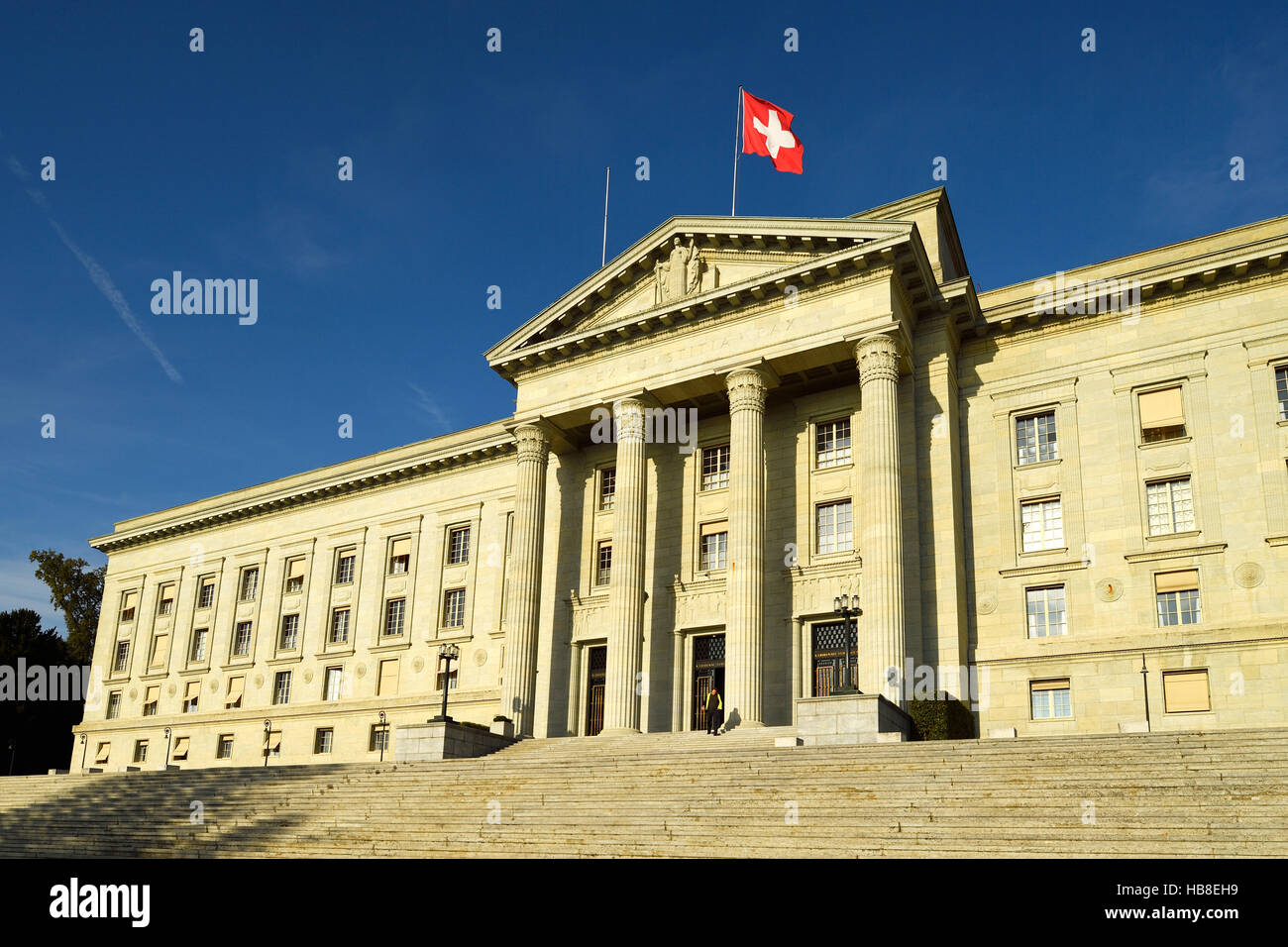
Switzerland has formally repealed criminal convictions imposed on 466 Swiss citizens who joined the French Resistance during World War II, ending a decades-long legal stain that had long divided families and historians. The move, announced by the Swiss Federal Supreme Court on Monday, follows years of campaigning by descendants of the convicted fighters and historians who argued the sentences were unjust under wartime conditions. The court ruled that the original prosecutions—based on Switzerland’s neutrality laws—violated principles of fair trial and proportionality, according to a statement from the Federal Department of Justice.
The overturned convictions date back to 1945, when Swiss authorities prosecuted citizens who had crossed the border to fight Nazi occupation forces in France. At the time, Switzerland maintained strict neutrality, and resistance activities were criminalized under domestic law. The sentences ranged from fines to prison terms, though most were never served. “This decision is a long-overdue correction of historical injustice,” said Swiss Justice Minister Karin Keller-Sutter, who described the ruling as “a step toward reconciling with our past.”
While the legal closure brings closure to the families of the fighters, historians note the case also raises broader questions about wartime neutrality and the treatment of anti-fascist activists. The Swiss government has not yet announced plans for compensation, though descendants have called for symbolic gestures, including public recognition of their relatives’ contributions.
Why Were Swiss Citizens Prosecuted for Fighting in the French Resistance?
Switzerland’s strict neutrality during World War II extended to its legal framework. Under the Federal Act on Military Penalties (1945), joining foreign resistance movements was punishable by law, even if those movements opposed Nazi Germany. The 466 convictions—documented in Swiss federal archives—reflect a period when neutrality was prioritized over anti-fascist solidarity.
Historian Pierre Bérubé, who has studied the cases, argues that the prosecutions were “a product of their time”—but also a miscarriage of justice. “These men and women were not criminals,” he said. “They were freedom fighters who deserved recognition, not prison sentences.” The Supreme Court’s ruling cites modern human rights standards, including the European Convention on Human Rights, to justify the reversal.
How Many Cases Were Overturned, and What Happens Next?
The Federal Supreme Court’s decision affects 466 individual cases, though exact records vary slightly across historical sources. The Swiss Federal Statistical Office confirms that prosecutions began in 1944 and peaked in 1945, with most sentences commuted or suspended. Only a handful of fighters were imprisoned, but the legal shadow persisted for their families.
With the convictions repealed, the next step lies with the Swiss government. While no compensation is automatic, the Justice Ministry has indicated it will “examine measures to honor the memory of those involved.” Descendants, represented by the Association of Swiss Descendants of Resistance Fighters, have requested:
- A public apology from the Swiss government.
- Restoration of military honors for deceased fighters.
- Archival access to sealed case files.
What This Ruling Means for Switzerland’s WWII Legacy
The case is part of a broader reckoning with Switzerland’s wartime role. In 2021, the country agreed to return looted art to Jewish heirs, and in 2023, it acknowledged its handling of Nazi gold. The Resistance fighters’ case differs in that it involves domestic prosecutions rather than financial restitution.
Legal experts say the Supreme Court’s decision sets a precedent for revisiting wartime convictions under modern human rights law. “This is not just about the past—it’s about how we interpret justice across generations,” said Professor Laurence Burgorgue-Larsen, a human rights lawyer at the University of Lausanne. She notes that similar cases in other neutral countries, such as Denmark’s 2020 compensation for resistance fighters, could influence future legal actions.
Who Were the 466 Swiss Resistance Fighters?
Records show the fighters were predominantly men, though women also participated. Many were young—some as young as 16—when they crossed into France to join local resistance networks. Their roles included:
- Sabotaging Nazi supply lines.
- Distributing propaganda.
- Assisting escaped Allied prisoners.
One of the most documented cases is that of Jean-Jacques Gauthier, a Swiss teacher who was sentenced to two years in prison for his resistance work. His grandson, Marc Gauthier, told Swiss media: “My grandfather never talked about it. For him, it was just what needed to be done. Now, his name can finally be cleared.”
What Happens Next for Descendants and Historians?
The Swiss government has until June 30, 2025 to finalize its response to the Supreme Court’s ruling, including any potential compensation or memorial initiatives. In the meantime, historians are pushing for:
- Expanded access to Swiss archives on wartime prosecutions.
- Public exhibitions on Swiss anti-fascist resistance.
- Collaboration with French archives to document cross-border resistance networks.
For descendants, the ruling is both symbolic and practical. “We’ve spent our lives explaining that our ancestors weren’t criminals,” said Élodie Meier, whose great-uncle was among the convicted. “Now, we can finally move forward.”
Key Takeaways
- The Swiss Federal Supreme Court overturned 466 WWII-era convictions against Swiss citizens who fought in the French Resistance.
- Prosecutions dated to 1944–45, when Switzerland criminalized anti-Nazi resistance under neutrality laws.
- The ruling cites modern human rights standards to justify the reversal, setting a precedent for wartime justice.
- Descendants are seeking compensation, archival access, and public recognition.
- Switzerland’s government has until June 2025 to respond with further measures.
The next official update will come from the Swiss Federal Department of Justice, expected by September 2024, outlining next steps for descendants and potential memorial projects. Readers with additional questions or personal stories related to this history are encouraged to share in the comments below.
Keep reading