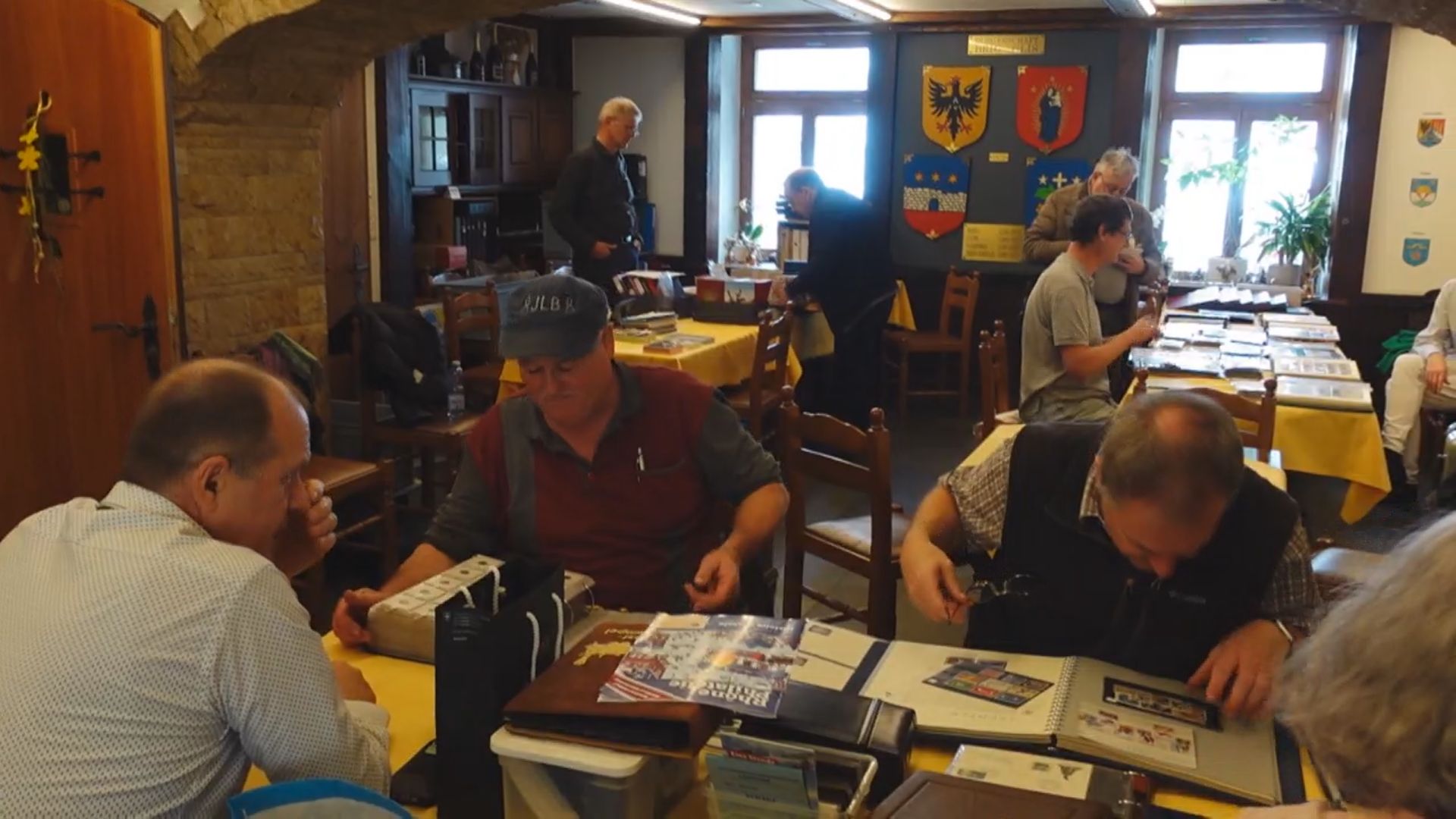
Glis, Switzerland – The small Swiss village of Glis, nestled in the canton of Valais, is preparing to welcome philatelists and dealers from across Switzerland and beyond for its annual spring stamp fair. The event, scheduled to capture place this month, underscores the enduring appeal of philately as a hobby and a potential investment, even in an increasingly digital world. While specific details regarding the number of vendors and attendees remain unconfirmed, the fair consistently draws a dedicated community of stamp enthusiasts.
The popularity of stamp collecting, or philately, has experienced fluctuations over the decades. Yet, it continues to thrive, fueled by a combination of historical interest, artistic appreciation, and the thrill of the hunt for rare and valuable items. The Swiss stamp market, in particular, benefits from the country’s long tradition of producing high-quality and aesthetically pleasing stamps. According to the Swiss Philatelic Society, membership has remained relatively stable in recent years, indicating a sustained level of interest in the hobby. Swiss Philatelic Society
A Hub for Collectors and Dealers
The Frühjahresbörse (Spring Fair) in Glis provides a crucial meeting point for collectors and dealers to buy, sell, and trade stamps. These fairs are not merely marketplaces; they are also opportunities for collectors to connect with one another, share knowledge, and learn about the latest developments in the philatelic world. The event typically features a wide range of stamps on offer, from common issues to rare and highly sought-after specimens. Dealers often specialize in particular areas, such as Swiss stamps, European stamps, or thematic collections.
The village of Glis itself, part of the larger Brig-Glis municipality, is strategically located as a transportation hub in the Swiss Alps. This accessibility contributes to the fair’s appeal, drawing attendees from various regions of Switzerland and potentially from neighboring countries. Brig-Glis recently received the prestigious Wakker Prize for 2026, recognizing its commitment to preserving its historical heritage while embracing modern development. SRF News This award highlights the community’s dedication to maintaining a high quality of life and a vibrant cultural scene, which likely contributes to the success of events like the stamp fair.
The Allure of Philately: More Than Just a Hobby
The appeal of stamp collecting extends beyond mere hobbyism. For many, it’s a journey through history, geography, and art. Stamps often depict significant historical events, prominent figures, and cultural landmarks, offering a tangible connection to the past. The intricate designs and printing techniques used in stamp production also appeal to those with an appreciation for artistic craftsmanship. Certain stamps can appreciate significantly in value over time, making philately a potential investment opportunity.
The value of a stamp is determined by a variety of factors, including its rarity, condition, historical significance, and demand among collectors. Errors in printing, such as misprints or color variations, can also dramatically increase a stamp’s value. Expert appraisal is often necessary to accurately assess the worth of a stamp, and reputable dealers and auction houses provide this service. The Swiss Post, for example, regularly releases recent stamp issues that often become collectible items. Swiss Post – Collecting
The Wakker Prize and Brig-Glis’s Commitment to Preservation
The recent awarding of the Wakker Prize to Brig-Glis underscores the municipality’s dedication to balancing preservation, and progress. The prize, awarded by the Swiss Heritage Society, recognizes communities that demonstrate exceptional achievements in urban planning and the preservation of cultural heritage. The selection of Brig-Glis highlights its ability to integrate modern architecture with historical structures, creating a harmonious and aesthetically pleasing environment. The former Ursuline guesthouse, now a hotel with adjacent asylum seeker accommodation, serves as a prime example of this approach, demonstrating a responsible and innovative utilize of existing buildings.
David Vuillaume, Managing Director of the Swiss Heritage Society, emphasized that Brig-Glis is “a place where you arrive,” signifying its welcoming atmosphere and inclusive spirit. This sense of community and openness likely extends to events like the stamp fair, creating a positive and inviting experience for attendees. The town’s ability to foster a connection between the old and the new is a key factor in its success and a testament to its thoughtful urban planning.
What to Expect at the Glis Stamp Fair
While specific details about the 2026 Frühjahresbörse in Glis are still emerging, attendees can generally expect a diverse range of stamps for sale, covering various themes, countries, and periods. Dealers will likely offer stamps for collectors of all levels, from beginners to seasoned experts. The fair will also provide opportunities to network with other collectors, exchange information, and learn from experienced dealers.
Potential attendees should be prepared to examine stamps carefully, assess their condition, and negotiate prices. Bringing a magnifying glass and a basic stamp catalog can be helpful tools for evaluating potential purchases. It’s also advisable to research the current market value of stamps of interest before attending the fair. The event is expected to attract a significant number of visitors, contributing to the local economy and showcasing Glis as a destination for cultural and hobbyist pursuits.
Key Takeaways
- The annual Frühjahresbörse in Glis is a significant event for stamp collectors and dealers in Switzerland.
- Philately remains a popular hobby, offering a blend of historical interest, artistic appreciation, and potential investment opportunities.
- Brig-Glis’s recent Wakker Prize win highlights its commitment to preserving its cultural heritage while embracing modern development.
- The fair provides a valuable platform for networking, knowledge sharing, and the exchange of stamps.
The Glis stamp fair represents a microcosm of the broader philatelic community – a dedicated group of individuals united by a shared passion for these miniature works of art and historical artifacts. As the event approaches, anticipation is building among collectors eager to discover new treasures and connect with fellow enthusiasts. Further details regarding the fair, including a list of participating dealers and a schedule of events, are expected to be released in the coming weeks. Stay tuned for updates from local tourism authorities and philatelic organizations.
The next official update regarding the Frühjahresbörse in Glis is expected to be released by the Brig-Glis tourism office in early April. We encourage readers to share their own experiences with stamp collecting in the comments below and to share this article with fellow philatelists.
Related reading