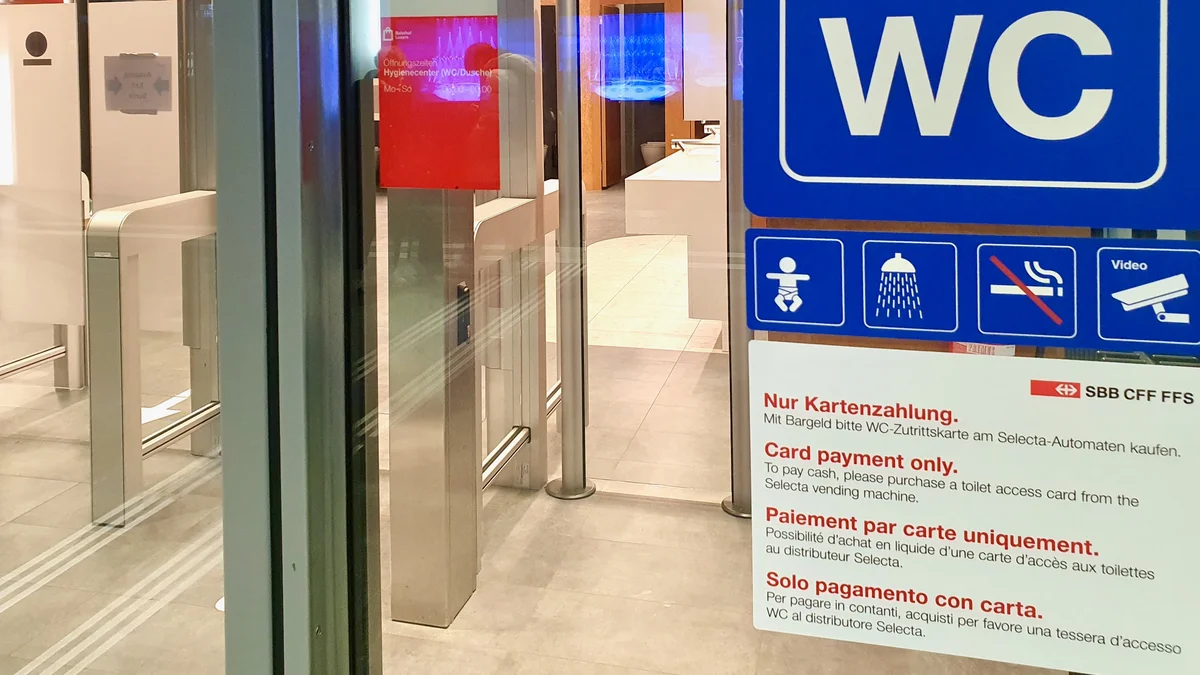
The gentle clink of coins is fading from everyday life in Switzerland, and increasingly, across Europe. From public restrooms at Lucerne railway station to Christmas markets in major cities, a growing number of businesses are opting for cashless transactions, leaving some citizens feeling excluded and raising questions about accessibility and societal inclusion. While Switzerland has long prided itself on its financial independence and strong currency, a quiet revolution is underway, pushing the nation towards a digital-first payment system. This shift, while offering convenience and efficiency, is sparking debate about the rights of those who prefer – or are limited to – using cash.
The move towards a cashless society isn’t simply a matter of convenience; it’s a complex issue with significant implications for social equity. As digital payment methods become more prevalent, individuals without access to smartphones, credit cards, or even bank accounts risk being left behind. This digital divide disproportionately affects the elderly, low-income individuals, and those living in rural areas, creating a two-tiered system where participation in everyday life becomes increasingly difficult without digital literacy and access. The situation in Switzerland, a country known for its high standard of living, highlights a growing global trend that demands careful consideration.
The trend is visible across various sectors. Lucerne railway station, a major transportation hub, is a prime example. According to SBB, the station’s shopping center boasts 62 shops and services open 365 days a year, but increasingly, these businesses are accepting only card payments or mobile payment apps like Twint. SBB’s website confirms that the station’s lockers also require digital payment, leaving travelers without these options scrambling for solutions. This isn’t an isolated incident; similar policies are being implemented at cultural institutions, such as the Kunsthaus Zürich, and seasonal events like Christmas markets in cities like Zurich, Bern, and Lucerne.
The Digital Divide and the Vulnerable Population
The increasing reliance on digital payments is exacerbating the challenges faced by those who are not digitally connected. While internet usage among the Swiss population aged 65 and over has risen significantly – from 38% in 2010 to 89% in 2025, according to a study by Pro Senectute – a segment of this demographic, particularly those over 85, remains offline. Verena Kundert, an 82-year-ancient resident, exemplifies this struggle. As reported by the Tages-Anzeiger, she finds touchscreen payment systems difficult to navigate and relies on a general subscription to SBB to avoid the complexities of digital ticketing. “Have you got a mobile phone?” is a common question she faces when attempting to purchase tickets, highlighting the expectation of digital proficiency.
This exclusion extends beyond transportation. Last autumn, the Kunsthaus Zürich briefly attempted to implement a card-only policy, sparking public outcry. The museum quickly reversed course, acknowledging the “symbolic and emotional dimension” of the issue. Similarly, the Kunstmuseum Luzern temporarily abandoned its digital-only payment requirement, recognizing the importance of inclusivity. These instances demonstrate a growing awareness of the need to balance the benefits of digital payments with the rights of those who prefer or require cash. However, the underlying trend remains: cashless transactions are becoming increasingly dominant.
Political Pushback and the Bargeld-Initiative
The growing discontent with the move towards a cashless society has fueled political activism. Berta Caminada, a 77-year-old pensioner from Graubünden, launched an online petition garnering over 8,000 signatures in protest against the removal of cash payments on PostAuto buses. She argued that such policies effectively exclude individuals unable to use digital payment methods from public transportation. Despite her efforts, the trend continues, with approximately 74% of Swiss train tickets purchased digitally in 2024, 18% at automated machines, 6% at counters, and only 2% from drivers, according to recent data. The number of bank ATMs has also declined, with one in eight disappearing since 2020.
Despite the increasing prevalence of digital payments, there’s a growing recognition that excluding cash entirely is unacceptable. Gunnar Dumke, Director of the Münzkabinett in Winterthur, emphasized the importance of cash for inclusivity and social cohesion, stating that “there are people who do not want or cannot participate digitally – their participation must not fail at the checkout.” VASOS, the Swiss association of active seniors and self-help organizations, representing around 129,000 members, has also criticized the discriminatory nature of cashless systems, questioning whether those unable to participate digitally will be forced to remain at home.
This sentiment has translated into political action. The cantonal parliament in Geneva has mandated that restaurants, hotels, and entertainment venues continue to accept cash payments. Similar proposals are being considered in other cantons, and the Swiss Federal Parliament is reviewing a motion by National Councillor Manuela Weichelt (Greens, Zug) urging the Federal Council to ensure that subsidized transport companies accept cash or offer alternatives like prepaid cards for those without smartphones. In response to these concerns, the Canton of Lucerne is providing financial support to BLS, the Bern-based rail and bus operator, to cover the costs of maintaining cash payment options at ticket machines until 2026, amounting to approximately 45,000 Swiss francs annually.
The Future of Cash in Switzerland and Beyond
The debate over cash versus digital payments extends beyond Switzerland, reflecting a global trend towards a cashless society. While digital payments offer numerous benefits – convenience, efficiency, and reduced risk of theft – they also raise concerns about privacy, security, and financial exclusion. The potential for surveillance and data breaches associated with digital transactions is a growing concern for many, while the lack of access to digital payment methods can create significant barriers for vulnerable populations.
The Swiss experience highlights the need for a balanced approach that recognizes the value of both cash and digital payments. While embracing the benefits of technological innovation, policymakers must also prioritize inclusivity and ensure that all citizens have the opportunity to participate fully in the economy. This requires not only maintaining access to cash but also investing in digital literacy programs and providing affordable access to digital devices and internet connectivity.
The outcome of the upcoming vote on the “Bargeld-Initiative” (cash initiative) on March 8th remains uncertain, but even if it passes, experts believe it will have limited practical impact. The core issue isn’t the legal tender status of cash, but rather the increasing pressure to adopt digital payment methods in everyday life. The challenge lies in finding a way to harness the benefits of digital technology while mitigating its risks and ensuring that no one is left behind. The Canton of Lucerne’s decision to subsidize BLS to maintain cash payment options at ticket machines serves as a small but significant step in this direction.
Looking ahead, the Swiss Federal Council will be tasked with addressing the concerns raised by the motion from National Councillor Weichelt, ensuring that subsidized transport companies offer accessible payment options for all citizens. This will likely involve exploring alternatives to smartphones, such as prepaid cards, and investing in infrastructure to support cash payments. The ongoing debate underscores the importance of a thoughtful and inclusive approach to the future of payments, one that prioritizes the needs of all members of society.
Key Takeaways:
- The move towards a cashless society is gaining momentum in Switzerland, impacting access to essential services for those without digital payment methods.
- Political pressure is mounting to protect the rights of individuals who prefer or require cash, with initiatives like the Bargeld-Initiative and mandates in Geneva.
- The digital divide disproportionately affects the elderly and those with limited digital literacy, raising concerns about social inclusion.
- Balancing the benefits of digital payments with the need for accessibility and inclusivity is crucial for ensuring a fair and equitable society.
The conversation surrounding the future of cash is far from over. We encourage readers to share their experiences and perspectives on this crucial issue in the comments below. Stay tuned for further updates as the Swiss Federal Council responds to the motion from National Councillor Weichelt and as the debate continues to evolve.
Keep reading