The Urgent Imperative of Repatriating and Reintegrating Former ISIL Detainees: A Path to Regional Stability and Preventing Future Radicalization
The defeat of the Islamic State of Iraq and Syria (ISIL) has left a complex and pressing humanitarian and security challenge in its wake: the fate of tens of thousands of individuals – primarily women and children – detained in camps in Syria, many of whom are nationals of Iraq and other countries. Addressing this situation is not merely a matter of humanitarian concern; it is indeed a critical component of preventing the resurgence of extremism and ensuring long-term regional stability. This article examines the current landscape, the leading role Iraq is taking, the dangers of inaction, and the extensive approach required for triumphant repatriation and reintegration.
The Legacy of ISIL and the crisis in the Camps
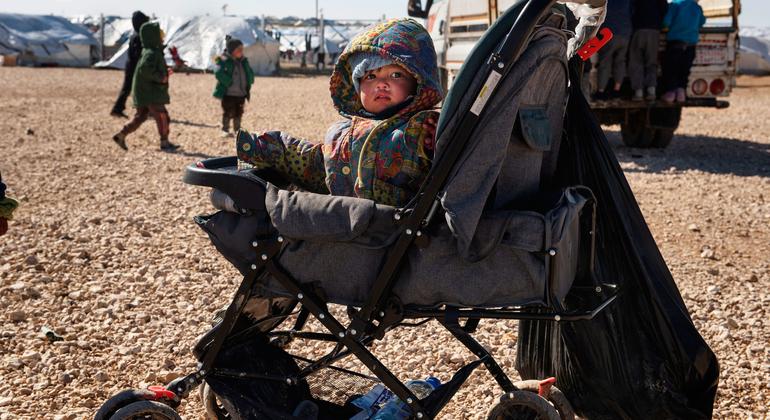
between 2014 and 2019, ISIL carved out a brutal caliphate across swathes of Syria and Iraq, perpetrating horrific atrocities including mass executions, systematic sexual violence, and the forced recruitment of children. The collapse of the territorial caliphate did not, however, resolve the issue of those affiliated with the group. Thousands of individuals,largely women and children linked to ISIL fighters,remain confined in camps like Al-Hol and Roj in northeast Syria.
Conditions within these camps are appalling. UN Acting Under-Secretary-General for Counter-terrorism, Alexandre Zouev, describes the situation as “dire and vrey alarming.” Prolonged detention without due process, rampant sexual violence against women and girls, and a severe lack of access to basic necessities like food, water, and education are commonplace. Critically, the camps are becoming breeding grounds for radicalization. With limited humanitarian access, ongoing Daesh (ISIL) activity, and a lack of viable alternatives, these camps pose a critically important threat to future security. As Zouev warns, they “threaten to turn into incubators of terrorist radicalization and future recruitment.”
Iraq’s Leadership in Repatriation: A Model for Others
recognizing the urgency of the situation and its national obligation, Iraq has emerged as a leader in repatriating its citizens from Syria. To date, over 17,000 Iraqi nationals have been returned through a meticulously planned and integrated operation encompassing security vetting, legal proceedings, and comprehensive humanitarian support.
President Abdul Latif Rashid emphasizes Iraq’s commitment to reintegrating returnees into their communities. “Our aim is to re-integrate them into their communities and their places of origin,” he stated, adding, “We cooperate with international organizations to achieve this objective. Our aim is to ensure them a safe future and a dignified life in their country.” This proactive approach demonstrates a commitment to addressing the root causes of radicalization and preventing future cycles of violence. Iraq’s willingness to share its expertise offers a valuable blueprint for other nations grappling with similar challenges.
A Narrowing Window of Opportunity in Syria
The evolving political landscape in Syria presents a crucial, yet time-sensitive, opportunity to accelerate repatriation efforts. Recent developments, including an agreement in March between the Assad regime and the Kurdish-led Syrian Democratic Forces (SDF), which governs the northeast, have created “a window for decisive action,” according to the UN. This agreement emphasizes the integration of civil and military institutions and the return of displaced Syrians, including those held in the camps.
UN Under-Secretary-General for Policy, Guy Ryder, underscores the importance of seizing this moment. “Whilst the situation in northeast syria grows more complex with increasing volatility… Member States have new avenues now to engage directly with diffrent stakeholders and to advance solutions,” he explains. However, he cautions that this “window can quickly narrow,” and inaction will have severe consequences for regional stability and international peace and security.
Beyond Repatriation: A Holistic Approach to Reintegration
While repatriation is a vital first step, it is by no means sufficient. Successful reintegration requires a comprehensive and multifaceted approach that addresses the complex needs of returnees and the communities receiving them. as Mr. Zouev rightly points out,”repatriation is only the first step on the long journey to break the cycle of violence.”
This holistic approach must include:
* Security Vetting and Rehabilitation: Thorough security assessments are essential to identify individuals who pose a genuine threat. Rehabilitation programs, tailored to individual risk profiles, are crucial for addressing extremist ideologies and promoting behavioral change.
* Legal Frameworks and Accountability: Addressing past crimes requires a robust legal framework that ensures accountability for perpetrators while upholding due process and human rights.
* Psychosocial Support: Returnees, particularly women and children,