The Shifting Sands of Alliance: Syria and Russia Redefine Their Relationship
Have you ever wondered what happens to alliances when the very foundations of power crumble? The relationship between Syria and Russia is undergoing a dramatic change, moving from a partnership forged in battlefield necessity to one defined by a desperate search for stability.This isn’t simply a change in diplomatic strategy; it represents a fundamental reshaping of power dynamics in the Middle East.
For years, Russia provided crucial military support to the Assad regime, preventing its collapse during the Syrian Civil War. Now, with the Assad government overthrown in 2024, the roles appear to be reversing. Russia is offering a lifeline to the ousted dictator and his family,while Syria’s interim leadership seeks to redefine the terms of their relationship. Let’s delve into the complexities of this evolving alliance and what it means for the future of both nations.
From Lifeline to Safe Haven: A Historical Context
Russia’s intervention in Syria in 2015 was decisive. Russian air power dramatically shifted the balance of power in favor of Bashar al-Assad,preventing a likely rebel victory. This support wasn’t altruistic. Russia has long-standing strategic interests in the region, including maintaining its naval base in Tartus, Syria.
Though, the recent downfall of the Assad regime has fundamentally altered the equation. Now, Moscow finds itself offering refuge to the very leader it once propped up. This unexpected turn of events highlights the precarious nature of geopolitical alliances and the lengths to which nations will go to secure their interests.
The Logic of Survival: A Marriage of Convenience
the current dynamic between Syria and Russia is best described as a marriage of convenience, driven by a shared need for survival. For Russia, providing sanctuary to Assad serves several purposes. It reinforces Russia’s image as a protector of allies, even those facing defeat.It also allows Russia to maintain a degree of influence in Syria, even without Assad in power.
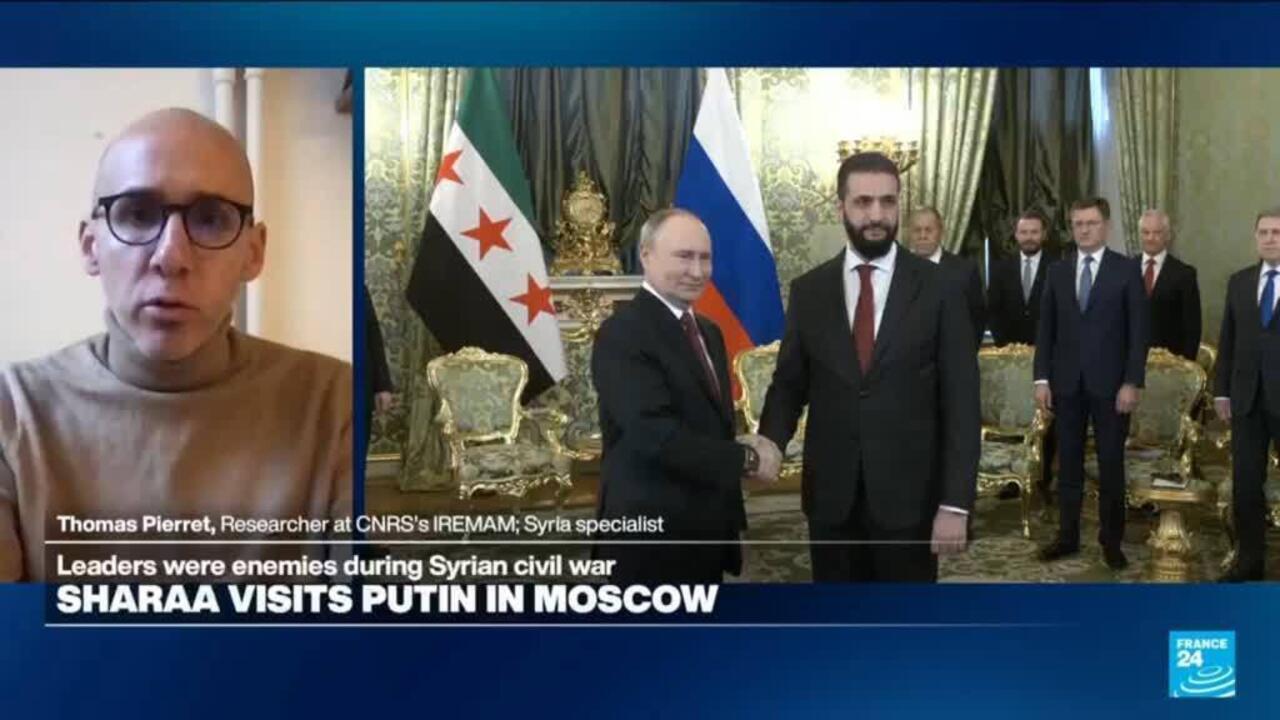
For Syria’s interim leadership, led by Ahmed al-Sharaa, engaging with Russia is a pragmatic necessity. Russia remains a key player in the region, and securing its cooperation is vital for any future stability. This meeting between al-Sharaa and Vladimir Putin marks a meaningful moment – the first high-level contact between the two countries since assad’s removal.
Key Factors driving the Redefinition
Several factors are contributing to this redefinition of the Syrian-Russian relationship:
* Assad’s Ouster: The fall of the Assad regime has created a power vacuum and forced both countries to reassess their strategies.
* Regional power Dynamics: The broader geopolitical landscape in the Middle East is constantly shifting, influencing the calculations of both Syria and Russia.
* Economic Considerations: Syria is in desperate need of economic assistance, and Russia is a potential source of investment and support.
* Security Concerns: Both countries face shared security threats, including terrorism and regional instability, necessitating cooperation.
Implications for the Future
What does this evolving alliance mean for the future of Syria and the wider region?
* Potential for a New Political Order: The redefined relationship could pave the way for a new political order in Syria,one that is more inclusive and representative.
* Increased Russian influence: Russia is likely to continue to exert significant influence in Syria, potentially shaping the country’s future trajectory.
* Regional Realignment: The shifting dynamics between Syria and Russia could trigger a broader realignment of power in the Middle East.
* Humanitarian Concerns: The ongoing humanitarian crisis in Syria remains a major concern, and any political solution must prioritize the needs of the syrian people.
Navigating a Complex Landscape
Understanding the nuances of this relationship requires acknowledging the complex history and competing interests at play. Its a situation where former allies are now navigating a new reality, driven by the fundamental logic of survival. You can stay informed about developments in the region through resources like the Council on Foreign Relations ([https://wwwcfrorg/middle-east-and-north[https://wwwcfrorg/middle-east-and-north[https://wwwcfrorg/middle-east-and-north[https://wwwcfrorg/middle-east-and-north