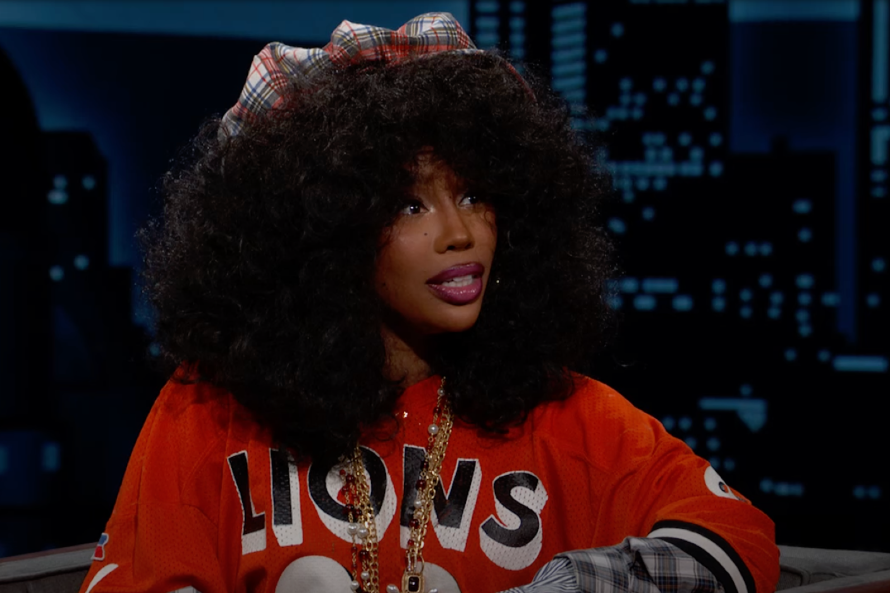
The rise of artificial intelligence is prompting a reckoning within the music industry, and SZA is among the most prominent voices sounding the alarm. The Grammy-winning artist, known for her introspective lyrics and genre-bending sound, has publicly expressed concerns about the impact of AI-generated music, particularly its potential to devalue human creativity and disproportionately affect Black artists. This isn’t a futuristic anxiety for SZA. she describes feeling “at war” with the rapidly evolving technology, a sentiment rooted in the increasing presence of AI-created content on streaming platforms and music charts.
SZA’s critique extends beyond the philosophical implications of AI in music. She’s vocal about the ethical and environmental concerns surrounding its development and deployment. Her concerns, initially explored in her 2022 album SOS, specifically on the track “Ghost in the Machine” featuring Phoebe Bridgers, have evolved into a more urgent call for awareness and preservation of authentic artistic expression. The song itself, a ballad blending indie pop and R&B, foreshadowed her current stance, questioning a future where technology rivals human emotion with lyrics like, “Robot got more heart than I / Robot got future, I don’t.”
The Uneven Playing Field: AI’s Impact on Black Music
In a recent interview with i-D magazine, SZA articulated her frustration with the current state of AI-generated music, specifically its impact on Black artists. She questioned why AI is being used to create covers of artists like Olivia Dean, who is early in her career, effectively diverting potential streams and revenue. “Why am I hearing AI covers of Olivia Dean when Olivia Dean just came out? She can’t even collect the streams,” she stated. This highlights a critical issue: the potential for AI to exploit the work of emerging artists and exacerbate existing inequalities within the music industry. The concern isn’t simply about competition; it’s about the fundamental right of artists to benefit from their own creations.
SZA further criticized the quality and nature of the music being produced by AI, describing it as “weird, stereotypical struggle music.” This suggests a concern that AI algorithms, trained on existing datasets, may perpetuate harmful tropes and stereotypes when generating new content. This isn’t a new critique of algorithmic bias; concerns about AI reinforcing societal prejudices have been raised across various sectors, and SZA’s comments bring this issue to the forefront of the music conversation. The potential for AI to homogenize musical styles and stifle innovation is too a significant worry.
Beyond the Music: Environmental and Ethical Concerns
SZA’s activism extends beyond the artistic realm. She has also spoken out about the environmental impact of artificial intelligence, specifically the energy and water consumption of the massive data centers required to power these technologies. Last summer, she took to Instagram to urge her followers to research the environmental consequences of AI infrastructure, noting that pollution and environmental strain often disproportionately affect Black and brown communities. This connection between technological advancement and environmental justice underscores SZA’s commitment to social responsibility.
The environmental impact of AI is a growing concern. Data centers require significant amounts of electricity to operate and often rely on water for cooling. According to a 2023 report by the U.S. Geological Survey, data centers accounted for approximately 3% of total U.S. Electricity consumption in 2022, and that number is projected to increase as AI adoption grows. The report also detailed the significant water usage of these facilities, particularly in arid regions.
A Focus on Humanity: SZA’s Creative Response
Despite her anxieties, SZA maintains that her “competition” isn’t with other artists, but with “anti-intellectualism and doing things effortless.” She believes the true battle lies in preserving the emotional complexity and human connection that are inherent in authentic artistic expression. This perspective informs her approach to her upcoming music, which she describes as a deliberate effort to create something that machines cannot replicate.
Billboard reports that SZA is currently working on the follow-up to SOS, which topped the Billboard 200 chart for 13 nonconsecutive weeks. The new material is being developed with a focus on live instrumentation and improvisation, with producer and frequent collaborator Steve Lacy reportedly involved in the sessions. This approach suggests a conscious effort to prioritize the spontaneity and human element that are often lost in AI-generated music.
SZA’s commitment to humanity extends to her creative process. She emphasizes the importance of “opening my brain and opening my heart,” believing that preserving what remains of genuine human expression is paramount. This sentiment reflects a broader movement within the artistic community to resist the homogenization of culture and champion the unique perspectives that only human creators can offer.
“Ghost in the Machine”: A Preemptive Warning
Released in December 2022 as part of the SOS deluxe edition, “Ghost in the Machine” featuring Phoebe Bridgers, served as an early exploration of the themes SZA is now actively addressing. The song, categorized as indie pop and R&B, was written in a conversational style, reflecting a growing unease with the increasing influence of technology on human relationships and emotions. The collaboration with Bridgers, a critically acclaimed artist known for her introspective songwriting, further amplified the song’s message.
The song’s lyrics directly address the potential for technology to surpass human connection, questioning whether “robot[s] got more heart than I.” This line encapsulates SZA’s central concern: the risk of losing the emotional depth and authenticity that define human experience in an increasingly digital world. The song’s success, reaching number 40 on the Billboard Hot 100, demonstrates a growing public awareness of these issues.
The Future of Music in the Age of AI
SZA’s stance reflects a broader debate within the music industry about the role of AI. While some artists and labels are embracing AI as a tool for creativity and efficiency, others are raising concerns about its potential to disrupt the industry and devalue human artistry. The legal and ethical implications of AI-generated music are still being explored, and there is a growing call for regulations to protect artists’ rights and ensure fair compensation.
The U.S. Copyright Office has begun to grapple with the issue of AI-generated works, issuing guidance in February 2023 stating that copyright protection generally requires human authorship. This ruling has significant implications for the ownership and licensing of AI-generated music, and the debate is likely to continue as the technology evolves. The question of whether AI can truly be considered an “author” remains a central point of contention.
SZA’s response to this challenge is clear: to lean into what makes human creativity unique. By prioritizing live instrumentation, improvisation, and emotional depth, she is actively resisting the homogenization of music and reaffirming the importance of authentic artistic expression. Her upcoming album promises to be a testament to the power of human connection in an age increasingly shaped by algorithms.
As the music industry continues to navigate the complexities of AI, SZA’s voice serves as a powerful reminder that real emotion still matters. Her commitment to preserving humanity in her art is not just a creative choice; it’s a statement about the values that define us as human beings.
The release date for SZA’s next album remains unconfirmed, but her ongoing work and public statements suggest a continued focus on challenging the boundaries of AI and championing the power of human creativity. Readers are encouraged to share their thoughts on the impact of AI on music in the comments below.