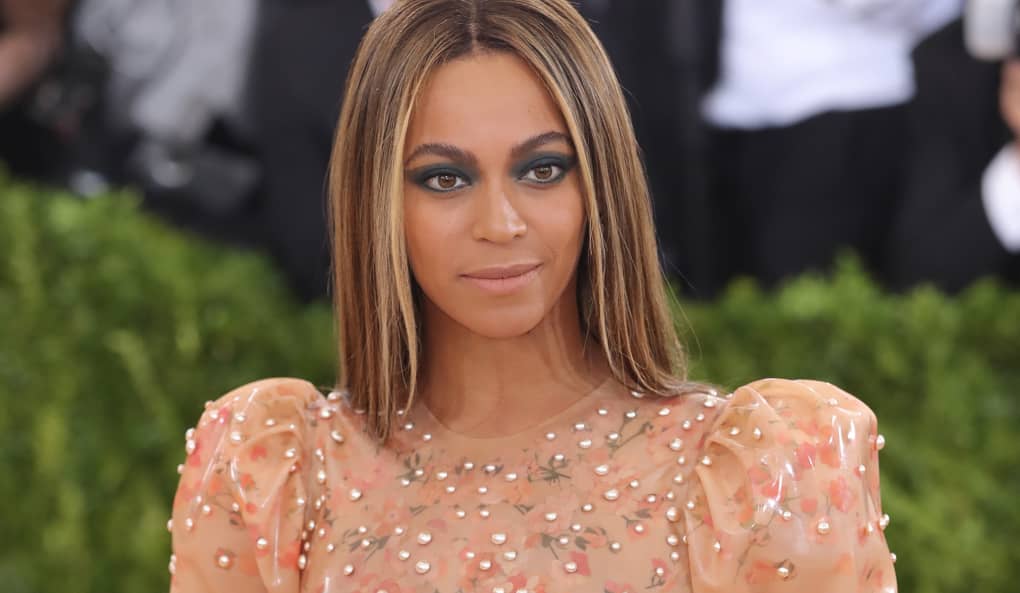
SZA and The White House Clash Over Music usage in Pro-ICE Ad
SZA has recently voiced strong objections to The White House utilizing her music in a promotional advertisement supporting U.S. Immigration and Customs Enforcement (ICE). This incident follows similar concerns raised by other artists, including Sabrina carpenter, highlighting a growing debate about political messaging and artistic consent.
Here’s a breakdown of what unfolded and why it matters to you.
the Initial Outcry
On Thursday, SZA took to X (formerly Twitter) to express her disapproval. She described the White House’s tactic as “rage baiting artists for free promo,” further characterizing it as “inhumanity + shock and awe tactics.” Her statement, punctuated with a distinct tone, labeled the approach as “evil n Boring.”
Notably, SZA’s sentiment wasn’t isolated. Her manager, Punch of Top Dawg Entertainment (TDE), also condemned the practice. He argued that attempting to provoke artists into responding to bolster propaganda and political agendas is “nasty business.”
The White House Responds
Hours after SZA’s post,The White House issued a statement directly addressing her concerns. It thanked SZA for “drawing even more attention” to the work of ICE officers. The statement specifically highlighted their efforts in “arresting hazardous criminal illegal aliens in American communities.”
Why This Matters: Artistic Control and Political Messaging
This situation underscores a critical issue for artists: control over how their work is used and associated with political messaging.You, as a creator, have the right to determine whether your art aligns with specific ideologies or campaigns.
I’ve found that many artists are increasingly protective of their creative output, wanting to ensure it isn’t co-opted for purposes they don’t support. This incident also raises questions about the ethics of using popular music to promote potentially controversial policies.
Here’s what works best for navigating these situations:
* Clear contractual language: Ensure your contracts explicitly address usage rights and political endorsements.
* Public statements: Don’t hesitate to publicly address any unauthorized or unwanted associations.
* Artist advocacy: Support organizations that champion artists’ rights and creative control.
Ultimately, the clash between SZA and The White House serves as a reminder of the power of art and the importance of artists maintaining agency over their work.It’s a conversation that will likely continue as political campaigns increasingly leverage popular culture to reach wider audiences.
Worth a look