
Poland’s Political Storm: How Szymon Hołownia’s Scathing Criticism of State Media Is Testing Democratic Norms
Poland’s political landscape is once again under scrutiny as Szymon Hołownia, the former television presenter turned politician, has intensified his public criticism of TVP—the country’s state-owned broadcaster—accusing it of serving as “a telephone for those in power.” His remarks, which have sparked widespread debate, come amid growing tensions between Poland’s political factions over media independence and the role of public institutions in democratic governance.
The controversy centers on Hołownia’s recent social media posts and public statements, where he has described TVP as an extension of governmental influence, a claim that has resonated with both supporters and critics. While some see his comments as a legitimate critique of state media, others warn of potential legal repercussions and deeper polarization in an already fractured political environment. What is clear is that Hołownia’s words have reignited discussions about the boundaries between press freedom, state control, and public trust in Poland’s democratic institutions.
This article explores the origins of the controversy, the political stakes involved, and the broader implications for media freedom in Poland. It also examines how Hołownia’s remarks fit into his broader political strategy and the reactions from key stakeholders, including opposition parties, legal experts, and the public.
Key Takeaways
- Media Independence Under Fire: Hołownia’s criticism of TVP reflects broader concerns about the politicization of state media in Poland, a topic that has been a flashpoint in recent years.
- Legal and Political Risks: His remarks could potentially lead to legal challenges or further strain relations between political factions, particularly given Poland’s history of media disputes.
- Public Sentiment Divided: While some Poles support Hołownia’s stance as a defense of press freedom, others view it as politically motivated and damaging to national unity.
- Broader Context: The controversy is part of a larger trend of declining trust in public institutions across Europe, where state media often face scrutiny over perceived bias.
- Next Steps: Legal experts and political analysts are closely watching whether Hołownia’s comments will escalate into formal legal action or further legislative debates on media reform.
The Controversy: What Hołownia Said and Why It Matters
Szymon Hołownia, a prominent figure in Poland’s political scene, has long been a vocal critic of what he describes as the “politicization” of state institutions, including TVP. In recent statements, he has explicitly accused the broadcaster of acting as a tool for those in power, framing it as a violation of democratic principles. His remarks have gained traction not only among his supporters but also among segments of the public who share concerns about media impartiality.
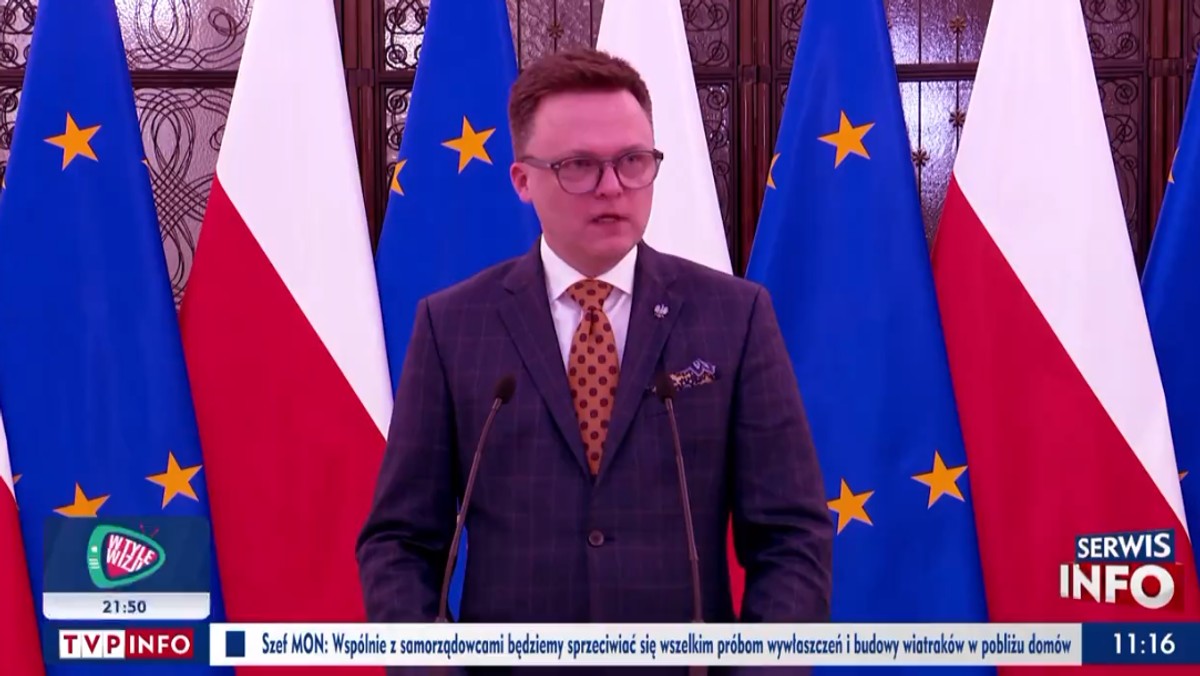
While Hołownia’s criticism is not entirely new—he has previously expressed skepticism about state media—his latest comments have taken on added significance. They come at a time when Poland’s political landscape is already highly polarized, with tensions between the ruling Law and Justice party (PiS) and the opposition, particularly the Civic Platform (KO), reaching new heights. Hołownia, who has distanced himself from both major parties, has positioned himself as an outsider challenging the status quo.
One of the most contentious aspects of his remarks is the implication that TVP operates as an extension of governmental influence. This accusation is not without precedent; in recent years, Poland has faced criticism from international organizations, including the Council of Europe and the European Commission, over concerns about media pluralism and editorial independence in state-owned outlets. The European Court of Human Rights has also ruled on cases involving Poland’s media landscape, further complicating the legal and political terrain.
“Telewizja na telefon rządzących”—this phrase, which translates to “television as a telephone for those in power,” encapsulates Hołownia’s view of TVP’s role. His critics argue that such language risks deepening divisions rather than fostering constructive dialogue, while supporters see it as a necessary wake-up call for a media system they believe has been compromised.”
Hołownia’s Political Strategy: A Critique or a Campaign Tactic?
Hołownia’s public criticism of TVP is not an isolated incident but part of a broader political strategy. As a former television personality, he has leveraged his media experience to challenge the narratives presented by traditional outlets, including TVP. His approach has resonated with younger voters and those disillusioned with mainstream politics, positioning him as a disruptor in Poland’s political establishment.
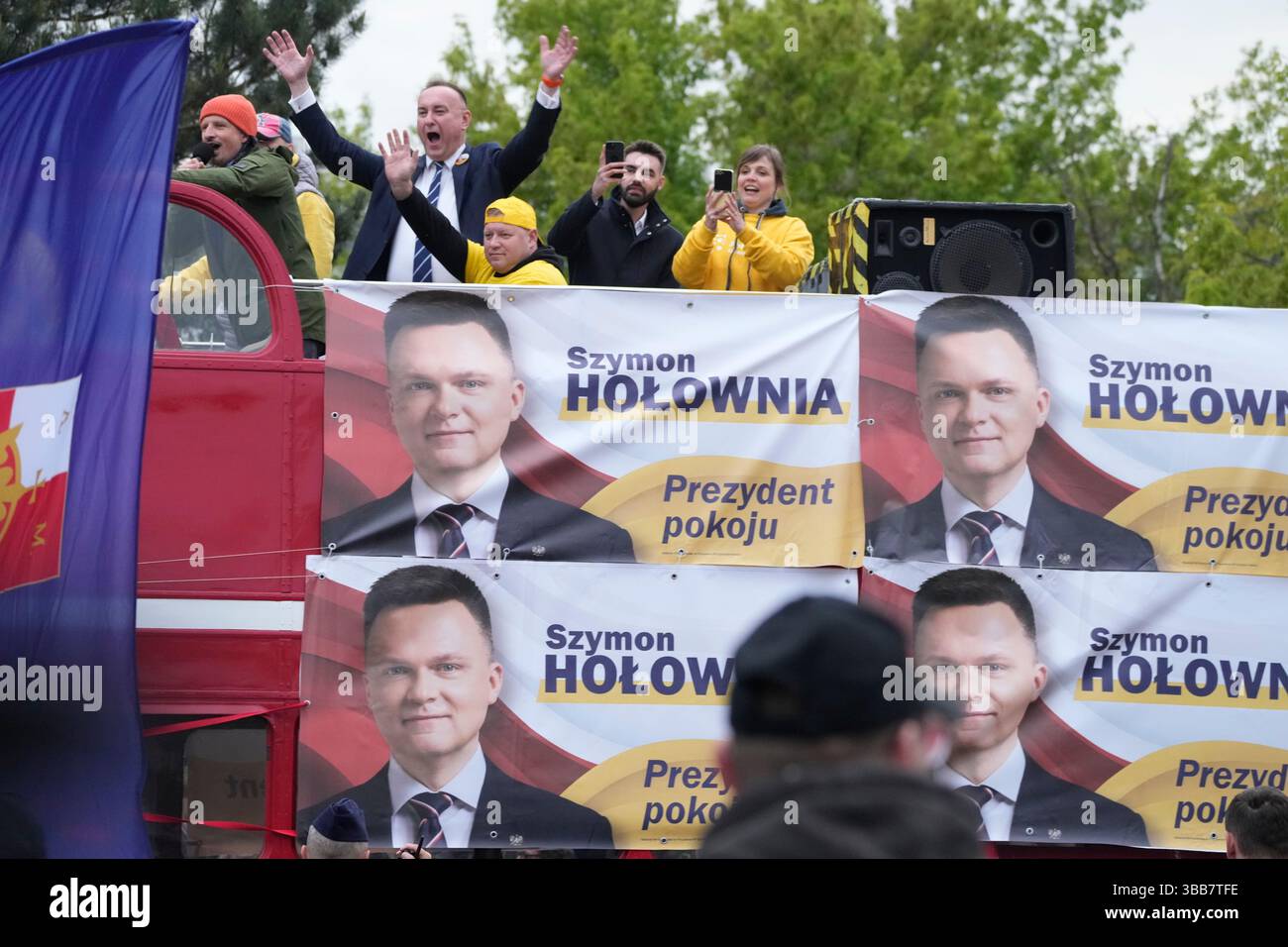
Analysts suggest that Hołownia’s remarks may also be calculated to appeal to a base that distrusts both the ruling party and the opposition. By framing TVP as a tool of the political elite, he taps into a narrative of anti-establishment sentiment that has gained momentum in recent years. This strategy aligns with his broader message of reforming Poland’s political system, which he argues has become too centralized and opaque.
However, his critics warn that such rhetoric could backfire, particularly if it leads to legal repercussions or further alienates potential allies. Poland’s legal system has been a battleground in recent years, with disputes over judicial independence and media freedom often playing out in courts. Hołownia’s comments could potentially draw the attention of prosecutors or regulatory bodies, adding another layer of complexity to his political ambitions.
Reactions from Political Factions: From Outrage to Cautious Support
The political fallout from Hołownia’s remarks has been swift and varied. The ruling Law and Justice party (PiS) has largely dismissed his criticism as politically motivated, with some officials accusing him of attempting to undermine national unity. Meanwhile, the opposition Civic Platform (KO) has been more measured in its response, with some members expressing concern over the broader implications for media freedom.
One of the most notable reactions came from former Prime Minister Donald Tusk, who has been a vocal advocate for media reform in Poland. While Tusk has not directly commented on Hołownia’s remarks, his previous statements on the need for an independent and pluralistic media echo the concerns raised by Hołownia’s critics. Tusk’s Civic Platform has long argued that state media in Poland should operate free from political interference, a stance that Hołownia’s comments have brought into sharper focus.
Legal experts are also weighing in, with some warning that Hołownia’s language could be interpreted as defamation or incitement, depending on how it is framed. Under Polish law, accusations of this nature can be legally challenging, particularly if they are perceived as attacking the integrity of public institutions. Whether Hołownia’s remarks will lead to formal legal action remains to be seen, but the possibility adds an element of uncertainty to the ongoing debate.
Broader Implications: Media Freedom and Democratic Accountability
The controversy surrounding Hołownia’s criticism of TVP is not just a Polish issue but part of a broader trend affecting media freedom across Europe. In countries where state-owned broadcasters play a significant role in public discourse, accusations of politicization are often met with both support and backlash. The challenge for Poland—and for democracies more generally—is striking a balance between holding public institutions accountable and ensuring that criticism does not devolve into unchecked attacks on the media.
International observers, including the Organization for Security and Co-operation in Europe (OSCE) and Reporters Without Borders, have repeatedly raised concerns about the state of media freedom in Poland. While the country has made progress in recent years, particularly under the previous government, the ongoing debates over TVP’s role highlight the persistent challenges. The European Commission, for instance, has emphasized the need for greater transparency and editorial independence in state media, a call that Hołownia’s remarks have brought to the forefront.
For Poles, the debate over TVP is deeply personal. Many see the broadcaster as a cultural institution, one that has shaped national identity for decades. Others view it as a relic of a bygone era, in need of reform to reflect modern democratic standards. Hołownia’s comments have forced these tensions into the open, creating a moment of reckoning for both the media and the political class.
What Happens Next? Legal, Political, and Public Reactions
As the dust settles from Hołownia’s remarks, several key developments are likely to shape the next phase of this controversy. Legally, prosecutors may choose to investigate his statements, particularly if they are perceived as defamatory or inciteful. Politically, the ruling party and opposition will continue to spar over the role of state media, with Hołownia’s comments serving as a catalyst for further debate.
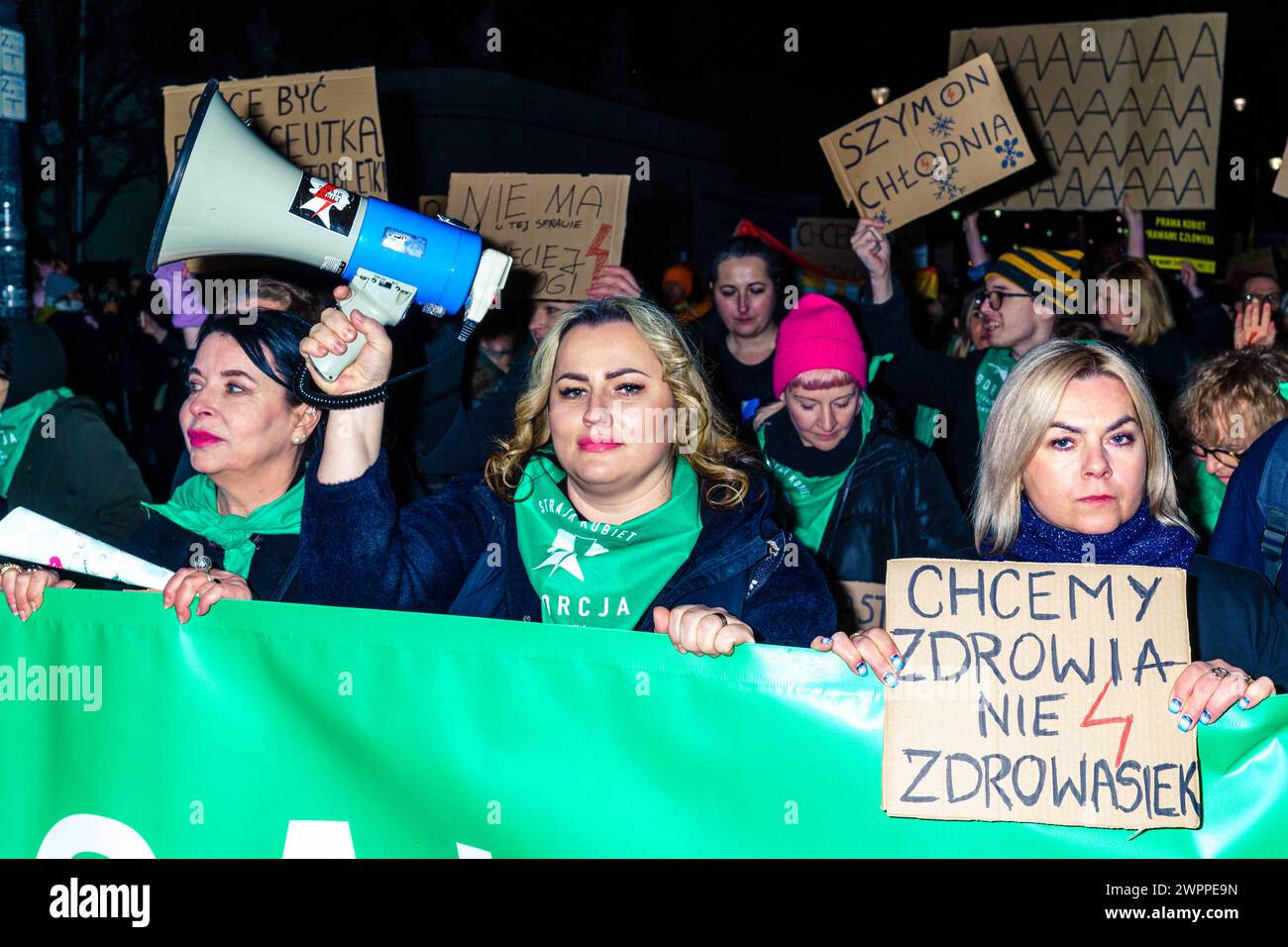
Publicly, the reaction will be a barometer of how deeply polarized Poland remains. Polls suggest that while many Poles are concerned about media independence, there is also a significant portion of the population that views state media as a necessary tool for national cohesion. Hołownia’s ability to navigate this divide will be critical to his political future.
For now, the focus remains on the broader question: Can Poland’s political system reform its media landscape in a way that restores public trust without further deepening divisions? The answer will likely hinge on whether Hołownia’s criticism leads to constructive dialogue or further entrenchment of existing fault lines.
Where to Find Official Updates and Further Reading
For those seeking to follow this developing story, several resources provide authoritative updates:
- Polish Government Official Website – For statements from the ruling party and government responses.
- Office of the Prime Minister of Poland – For official communications on media policy and public institutions.
- Organization for Security and Co-operation in Europe (OSCE) – For international perspectives on media freedom in Poland.
- Reporters Without Borders – For analyses and reports on press freedom in the region.
Poland’s Constitutional Tribunal and the National Broadcasting Council (KRRiT) may issue statements or rulings in the coming weeks, particularly if legal challenges arise from Hołownia’s remarks.
Closing Thoughts: A Moment of Truth for Poland’s Democracy
Szymon Hołownia’s criticism of TVP is more than a political broadside—it is a symptom of deeper anxieties about Poland’s democratic health. As the country grapples with the role of state media, the balance between accountability and stability will be tested like never before. Whether his remarks lead to meaningful reform or further polarization remains to be seen, but one thing is clear: the debate over TVP’s future is far from over.
For now, the focus must remain on constructive dialogue, legal clarity, and a commitment to the principles of press freedom. The stakes are high, not just for Poland but for democracies worldwide that continue to navigate the challenges of state media in the digital age.
What are your thoughts on this controversy? Share your perspective in the comments below, and stay tuned for further updates as this story develops.