Navigating the Rising Tensions: Understanding China’s Military Drills Around Taiwan
Are you concerned about the escalating situation in the Taiwan Strait? Recent military exercises conducted by China are raising eyebrows globally, prompting questions about Beijing’s intentions and the potential for conflict. This article delves into the details of these drills, analyzing their significance, the underlying motivations, and what they mean for the future of regional stability. We’ll explore the complexities of the situation, moving beyond headlines to provide a thorough understanding of this critical geopolitical issue.
China’s Latest Show of Force: A Detailed Look
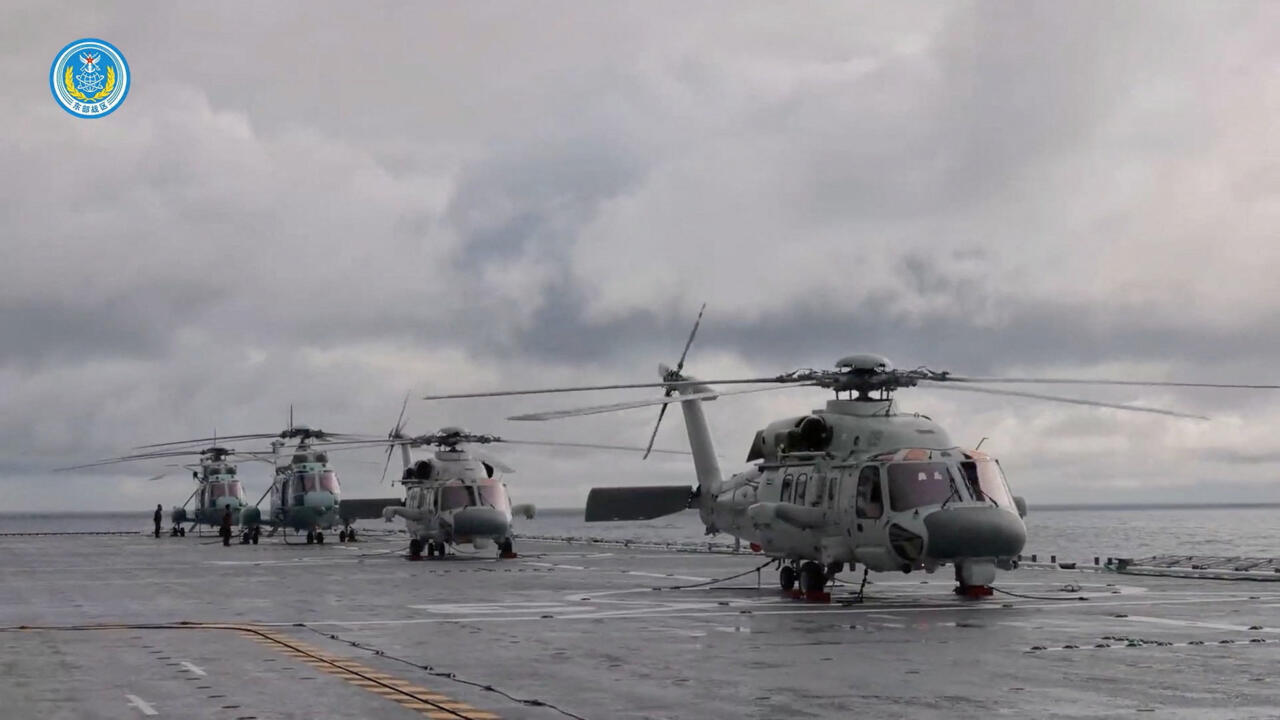
China initiated a new round of large-scale military drills encircling Taiwan on December 30th, 2025.These exercises, the sixth of their kind as 2022 and the second to specifically simulate a blockade, are a clear presentation of China’s growing military capabilities. They involve simulated attacks on key ports and maritime targets, effectively practicing a potential stranglehold on Taiwan’s access to the sea.
These drills aren’t occurring in a vacuum. They are a direct response to recent political developments in Taiwan, specifically the election results.China views Taiwan as a renegade province and has consistently maintained its position that reunification – potentially by force – remains an option. Understanding this core belief is crucial to interpreting the purpose behind these military maneuvers.
Decoding the Intent: Why is China Conducting These Drills?
Several factors contribute to China’s decision to hold these exercises. Primarily, they serve as a powerful signal to Taiwan and its international partners, notably the United States. China is showcasing its ability to project power and disrupt Taiwan’s economy and defense capabilities.
Furthermore, the drills are a form of coercive diplomacy. They aim to influence Taiwan’s internal politics and deter any moves towards formal independence. Experts suggest these actions are also intended to test the response of the US and other regional powers, gauging the level of commitment to defending Taiwan.
However, as Charles Parton, a Senior Associate Fellow at the Royal united Services Institute, points out, “being capable of an invasion does not mean you’re going to launch it.” This highlights a critical distinction: demonstrating capability doesn’t automatically equate to imminent action. The drills are a complex mix of signaling, deterrence, and preparation.
Secondary Keywords: Taiwan Strait tensions, China-Taiwan relations, military exercises, geopolitical risk, regional security.
Beyond the Blockade: Examining the Military Capabilities on Display
The drills aren’t limited to blockade simulations.They encompass a wide range of military activities, including:
* Naval Exercises: focusing on anti-ship missile launches and submarine operations.
* Air Force Drills: Involving fighter jet sorties and simulated bombing runs.
* Amphibious Assault Training: Practicing the landing of troops on potential beachheads.
* Cyber Warfare Simulations: Testing capabilities to disrupt Taiwan’s critical infrastructure.
Recent reports from the Department of Defense indicate a important increase in China’s naval strength over the past decade. Specifically,the People’s Liberation Army Navy (PLAN) now possesses the largest navy in the world by number of hulls.This expansion, coupled with advancements in anti-ship missile technology, presents a growing challenge to regional security. (Source: https://www.defense.gov/News/Releases/Release/Article/3588991/dod-releases-china-military-power-report/)
LSI Keywords: military modernization, PLA navy, defense capabilities, strategic deterrence, cross-strait relations.
What Does This Mean for You and global Stability?
The situation in the Taiwan Strait has far-reaching implications. Taiwan is a global hub for semiconductor manufacturing, particularly thru Taiwan Semiconductor Manufacturing Company (TSMC).Any disruption to Taiwan’s economy would have a cascading effect on global supply chains, impacting industries ranging from electronics to automobiles.