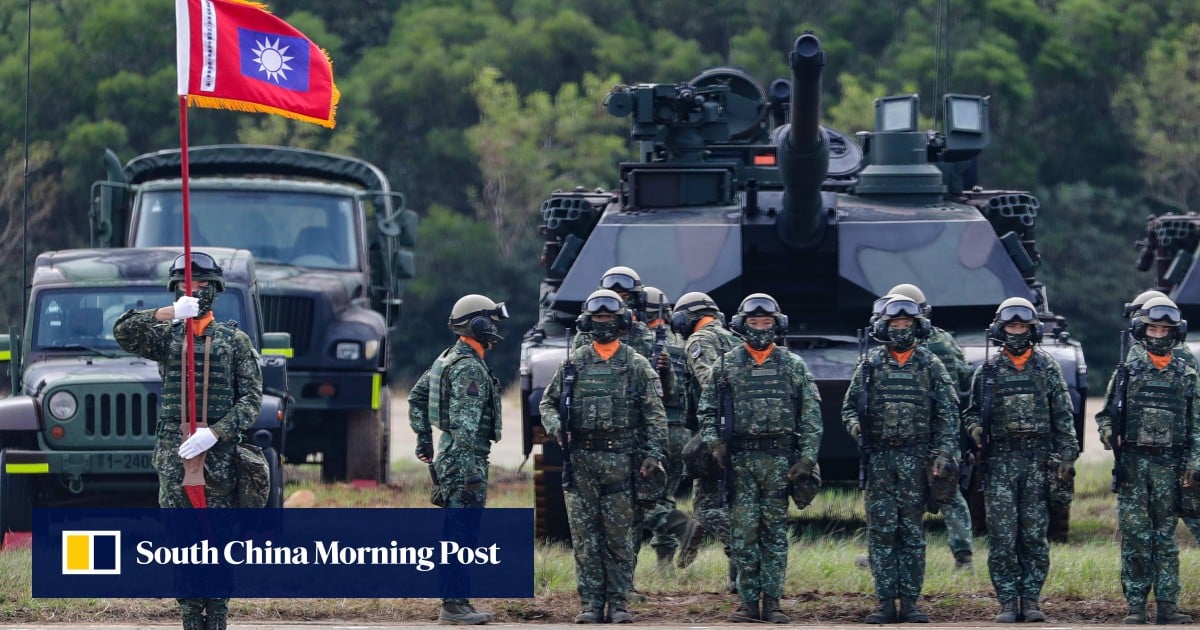
TaiwanS conscription Crisis: draft Dodging, Public Sentiment, and the Shadow of Beijing
Taiwan is grappling with a growing challenge to its defense readiness: increasing reluctance among young men to fulfill their mandatory military service. This comes as the goverment extends conscription lengths in response to escalating tensions with China. The situation isn’t simply about policy changes; it reveals a complex interplay of public perception, anxieties about conflict, and a troubling rise in draft evasion schemes.
The Extended Service & Rising Concerns
In a move signaling the seriousness of the threat, Taiwan’s government recently increased the compulsory military service term to one year. This decision reflects a heightened assessment of the risks posed by Beijing’s increasing military pressure. However, the government’s warnings about potential conflict appear to be clashing with a public that remains skeptical about an imminent war.
This disconnect is fueling a debate about the effectiveness of taiwan’s mobilization system. Are young citizens prepared to defend their homeland? Recent data suggests a concerning trend.
Public Willingness to Defend: A Declining Trend
A recent poll conducted by My Formosa revealed a significant shift in public sentiment. Here’s what the data shows:
* 52.2% of respondents stated they where unwilling to risk their lives defending Taiwan in the event of war. This is an 8.4% increase compared to a similar survey just two years ago.
* Only 40.8% expressed a willingness to make that sacrifice.
* The reluctance is most pronounced among young adults – the very demographic Taiwan relies on for its defense.
This growing unwillingness highlights a critical gap between official messaging and public perception. Many Taiwanese citizens appear to believe that war remains unlikely, contributing to resistance towards conscription.
The Draft Dodging Scandal: A System Under Strain
the issue exploded into public view with a widening inquiry into draft dodging. Authorities allege a network of individuals were actively circumventing the conscription system. Tactics included:
* Falsifying medical conditions: Prospective conscripts allegedly fabricated illnesses, particularly high blood pressure, to avoid service.
* Hiring stand-ins: Individuals were reportedly paid to take physical fitness tests on behalf of others.
Prosecutors have uncovered a criminal ring,led by a man surnamed Chen,that allegedly charged between US$1,600 and US$16,000 per person for these services. In one high-profile case, the fee reached as high as US$36,000.
High-Profile Arrests & The Cost of Evasion
To date, 28 people have been charged in connection with the scheme, including Chen. The scandal has ensnared several well-known figures, including actor Darren Wang, popular in both Taiwan and mainland China.
Wang is accused of paying approximately US$36,000 for a fraudulent hypertension diagnosis. His involvement underscores the extent to which draft dodging has permeated various levels of Taiwanese society.
Why is This Happening? Understanding the Root Causes
Several factors contribute to this growing crisis:
* Generational Shift: Younger generations in Taiwan have grown up in a period of relative peace and prosperity. They may not share the same sense of urgency or nationalistic fervor as older generations.
* Economic Concerns: Military service disrupts career paths and earning potential. This is a significant concern for young men focused on building their futures.
* Perception of Risk: Despite government warnings,many Taiwanese citizens believe the likelihood of a Chinese invasion is low. This diminishes the perceived need for personal sacrifice.
* Concerns About Training & Equipment: Some potential conscripts express doubts about the quality of military training and the adequacy of Taiwan’s defense equipment.
What Does This Meen for Taiwan’s Future?
The conscription crisis poses a serious challenge to Taiwan’s defense capabilities. A lack of willing and prepared defenders weakens the island’s ability to deter aggression and respond to potential attacks.
Addressing this issue requires a multi-faceted approach:
* Improved Public Communication: The government needs to effectively communicate the genuine risks facing Taiwan and the importance of collective defense.
* enhanced Military Training: Investing in modern training programs and equipment can boost morale and confidence among conscripts.
* Addressing Economic Concerns: Providing financial support or
Keep reading