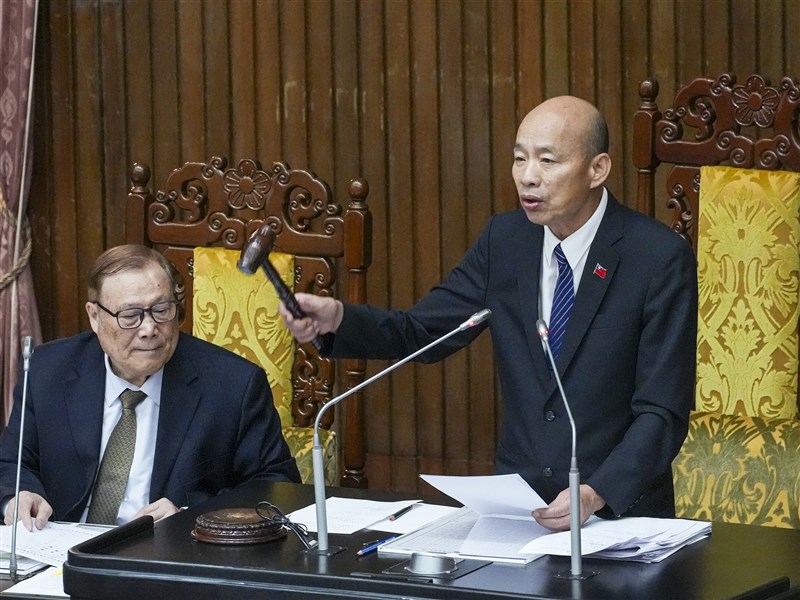
Taiwan’s Legislative Yuan passed the third reading of the Child and Youth Future Accounts Act, establishing a mandatory state-backed savings program designed to accumulate financial assets for minors until they reach adulthood. Under the newly approved legislative framework, the government will contribute up to NT$60,000 annually into dedicated accounts for eligible children, creating a projected cumulative growth fund exceeding NT$1.14 million by the time recipients turn 18, according to reports from Central News Agency and Focus Taiwan.
The legislative milestone follows extensive debate among party caucuses over fiscal sustainability, welfare distribution, and long-asset-building strategies for disadvantaged youths. Proponents argue that systemic savings initiatives provide a vital financial bridge for young adults exiting the state care system or growing up in low-income households. However, the sweeping scope of the statutory funding obligations has immediately triggered administrative caution from executive agencies regarding long-term budgetary planning.
Following the legislative vote, the Social and Family Affairs Administration under the Ministry of Health and Welfare raised procedural and fiscal concerns. Officials noted that the specific funding structure outlined in the newly passed act contains design methodologies that remain contentious and could potentially conflict with the Public Debt Act and broader fiscal discipline regulations, as detailed by United Daily News. The executive branch must now evaluate how to reconcile the mandatory annual appropriations with existing national budget constraints.
Legislative Mechanics and Projected Growth
The newly codified statute establishes a structured savings vehicle where government contributions match or supplement private deposits made by families or guardians, ensuring a predictable accumulation path over an 18-year period. According to reporting by China Times, the cumulative balance—bolstered by compounding interest and consistent annual state allocations peaking at NT$60,000—is projected to reach approximately NT$1.14 million per participant upon legal adulthood.
Eligibility criteria, matching ratios, and withdrawal limitations are structured to target long-term educational advancement, housing deposits, or initial vocational start-up costs once beneficiaries turn 18. Financial analysts and legislative researchers point out that unlike discretionary welfare subsidies, this statutory account framework legally binds future administrations to maintain the annual funding stream unless the law is formally amended.
Fiscal Challenges and Administrative Concerns
The enactment of the bill has ignited a debate over legislative spending powers versus executive fiscal management. Government accountants and financial regulators emphasize that committing billions of New Taiwan Dollars annually over nearly two decades requires corresponding revenue streams to prevent structural deficits.
According to assessments highlighted by Taipei Times, executive ministries are reviewing the statutory requirements to determine whether the funding mechanism breaches statutory expenditure ceilings. The Ministry of Finance and the Directorate-General of Budget, Accounting and Statistics are expected to issue detailed impact assessments before the implementation rules are formally drafted and gazetted.
Next Steps and Implementation Timeline
With the third reading completed, the legislation moves to the executive branch for promulgation by the president, following which the responsible ministries will draft enforcement rules, operational guidelines, and inter-agency verification protocols. Public stakeholders, social welfare organizations, and families seeking to understand enrollment procedures, eligibility verification, and account management guidelines can monitor updates issued directly through the Ministry of Health and Welfare official portal.
Keep reading