
Italian government officials have confirmed their attendance at upcoming U.S. Independence Day celebrations in Rome, following high-level diplomatic discussions intended to reaffirm the strength of the transatlantic alliance. The clarification comes amid reports of internal government deliberations regarding Italy’s strategic positioning and potential participation in international maritime security operations, specifically regarding the Strait of Hormuz.
The dialogue between Italian Foreign Minister Antonio Tajani and U.S. Senator Marco Rubio has served as a pivotal point for aligning diplomatic messaging. According to reports from Reuters, the Italian administration is navigating a complex balance between maintaining its longstanding commitment to Washington and addressing domestic pressures regarding its foreign policy priorities. The move to confirm government presence at the July 4th events is seen by analysts as an effort to mitigate any perception of a diplomatic rift.
Diplomatic Alignment and the U.S. Relationship
The Italian government, led by Prime Minister Giorgia Meloni, has emphasized the necessity of a stable relationship with the United States as a cornerstone of its geopolitical strategy. Recent communications between Italian officials and their American counterparts have focused on addressing concerns regarding Italy’s stance on global security issues. This diplomatic push is intended to ensure that Italy remains a reliable partner within NATO and a key player in Western security frameworks, as noted in briefings from the Italian Ministry of Foreign Affairs.

Observers point out that while the government is eager to demonstrate loyalty to the U.S., it remains cautious about overextending its military and diplomatic resources. The tension between active international engagement and domestic political constraints is a recurring theme in the current administration’s approach to foreign affairs. By securing a presence at the upcoming U.S. diplomatic functions, the government aims to project unity despite ongoing debates within the ruling coalition regarding the extent of Italy’s involvement in specific international missions.
Evaluating the Strait of Hormuz Mission
A primary point of contention involves the potential for an Italian naval contribution to security missions in the Strait of Hormuz. While the U.S. has encouraged allies to bolster maritime security in the region, the Italian government has expressed hesitation, citing the need for a comprehensive assessment of the risks and the potential impact on regional stability. This caution reflects a broader European desire to avoid escalating tensions in the Persian Gulf, a position often coordinated through the European External Action Service.
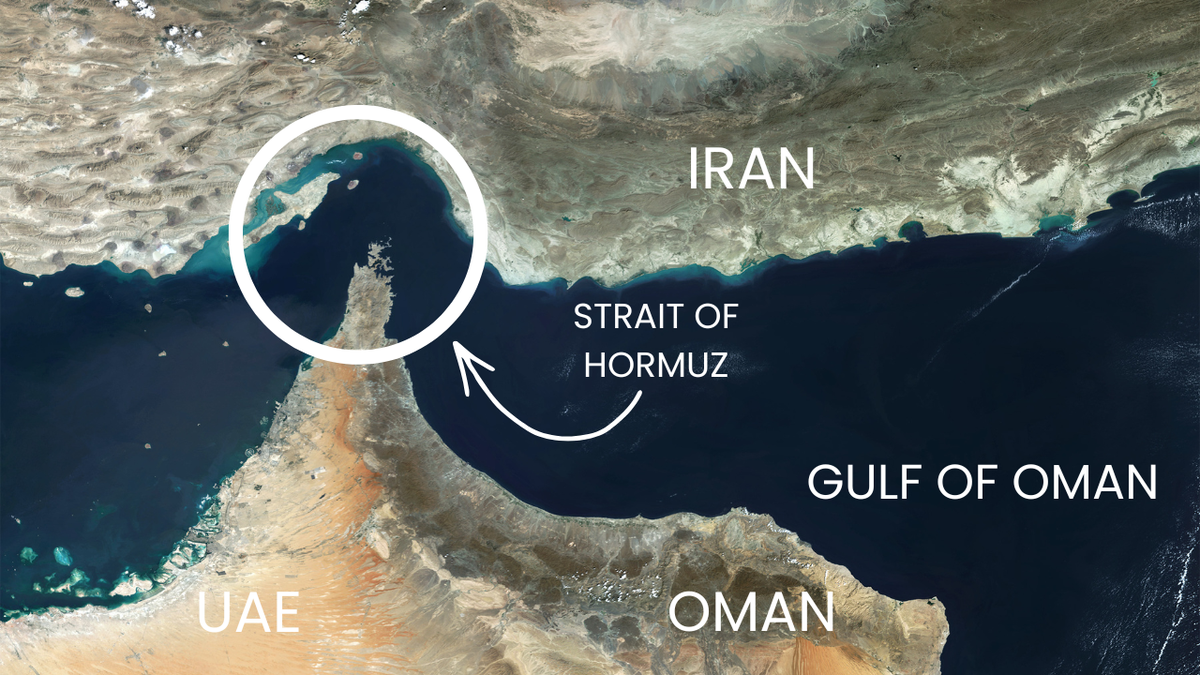
The concerns regarding the Hormuz mission are not merely strategic but also rooted in the potential for domestic political fallout. For the Meloni administration, participation in such a mission would require careful parliamentary deliberation. As of now, no final commitment has been made, and the government continues to weigh the benefits of supporting international maritime security against the risks of becoming entangled in a volatile regional conflict. The situation remains under close observation by the President of the Italian Republic, who serves as the guarantor of the country’s constitutional and international commitments.
The Role of the Quirinal Palace
The Italian Presidency, housed at the Quirinal Palace, is reportedly monitoring the government’s diplomatic maneuvers with significant interest. The President’s office traditionally ensures that Italy’s foreign policy remains consistent with its international obligations and long-term national interests. According to reports from ANSA, the Quirinal is particularly attentive to any signals that might suggest a shift in Italy’s traditional pro-Atlanticist posture.
The ongoing discussions between the government and the diplomatic establishment reflect an effort to maintain coherence in a challenging international environment. By prioritizing direct communication with key U.S. officials, the government hopes to clarify its intentions and prevent misunderstandings that could arise from internal policy debates. The focus remains on ensuring that Italy’s voice in international forums remains clear, consistent, and aligned with its core strategic partnerships.
Next Steps for Italian Foreign Policy
The next major checkpoint for these developments will be the formal diplomatic exchanges scheduled during the upcoming July 4th celebrations in Rome. These events will provide a platform for further informal dialogue between Italian officials and U.S. representatives. Following these interactions, the government is expected to provide more definitive guidance on its participation in various international security initiatives.
Citizens and international observers can track official updates through the official website of the Italian Government, which publishes statements regarding international summits and ministerial meetings. As the administration continues to refine its foreign policy, the public debate within the Italian Parliament is expected to intensify, particularly regarding the allocation of military assets for international missions. We invite our readers to share their perspectives on these developments in the comments section below.
Keep reading