Takeda’s Zasocitinib Poised to Challenge Bristol Myers Squibb’s Sotyktu in Psoriasis and Beyond
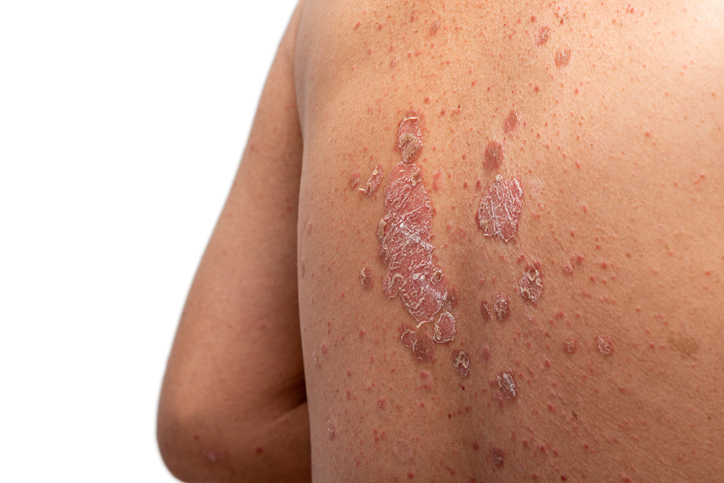
The race to dominate the TYK2 inhibitor market for autoimmune diseases is heating up. Takeda’s zasocitinib is emerging as a strong contender, demonstrating promising results in Phase 3 trials for plaque psoriasis and perhaps offering advantages over Bristol Myers Squibb’s (BMS) established drug, Sotyktu. This article dives into the data, the science, and the strategic positioning that could make zasocitinib a blockbuster.
The TYK2 Target: A Key to Autoimmune Disease Control
TYK2 (tyrosine kinase 2) is a crucial enzyme involved in the signaling pathways of multiple cytokines that drive inflammation. Blocking TYK2 offers a targeted approach to treating a range of immune-mediated diseases, including psoriasis, psoriatic arthritis, and potentially inflammatory bowel disease (IBD). Sotyktu’s initial success sparked significant investment and research into this target, but Takeda believes zasocitinib represents the next generation of TYK2 inhibition.
Zasocitinib’s Phase 3 Success: Meeting Key Goals in Psoriasis
Recent data from two Phase 3 trials involving 1,801 patients confirm zasocitinib’s efficacy in treating plaque psoriasis. the drug met its primary endpoints, demonstrating significant skin clearance at 16 weeks when compared to both placebo and Amgen’s Otezla, a current standard of care.
Here’s what the data suggests:
* Rapid response: Visible improvements were observed as early as week 4.
* Sustained Improvement: Skin clearance continued to increase through week 24.
* Potential for Complete Clearance: The studies indicate the possibility of achieving complete skin clearance for patients.
* Favorable Safety Profile: Zasocitinib was generally well-tolerated, with common side effects limited to upper respiratory tract infections, nasopharyngitis, and acne. No unexpected safety concerns arose.
Takeda plans to share detailed results at upcoming medical conferences and will submit regulatory applications to the FDA and othre agencies in fiscal year 2026 (beginning April 1st).
What Sets Zasocitinib Apart? A Matter of Inhibition and Duration
According to Andy Plump, Takeda’s president of research and advancement, the key difference lies in how effectively each drug inhibits TYK2 and how long that inhibition lasts.
* Sotyktu’s inhibition: Activity wanes throughout the day with once-daily dosing.
* Zasocitinib’s Advantage: Its selectivity for TYK2 allows for higher dosing, achieving near-complete (around 95-100%) inhibition for a full 24-hour period. This is reportedly three to four times greater than Sotyktu at comparable doses.
“We get close to 100% inhibition across a 24-hour period, which is probably minimally three-to-four fold more than what you’re seeing with Sotyktu and the doses that thay take forward,” Plump explained. “That’s the difference. It’s a true best-in-class TYK2 inhibitor.”
Beyond Psoriasis: Targeting Inflammatory Bowel Disease (IBD)
While Sotyktu has faced setbacks in IBD, Takeda sees a significant prospect for zasocitinib. BMS previously attempted to improve Sotyktu’s IBD performance with higher doses, but results were inconclusive.
Takeda believes zasocitinib’s ability to deliver more sustained and complete TYK2 inhibition could overcome the challenges encountered with Sotyktu.
* Head-to-Head Trial: A direct comparison trial between zasocitinib and Sotyktu is currently underway.
* IBD Potential: Takeda is actively exploring zasocitinib’s potential to treat IBD, a market were a accomplished TYK2 inhibitor could be transformative.
Sotyktu’s Broader Pipeline and the Competitive Landscape
BMS isn’t standing still. Sotyktu is currently under FDA review for psoriatic arthritis and is being investigated in Phase 2 trials for lupus and Sjögren’
Keep reading