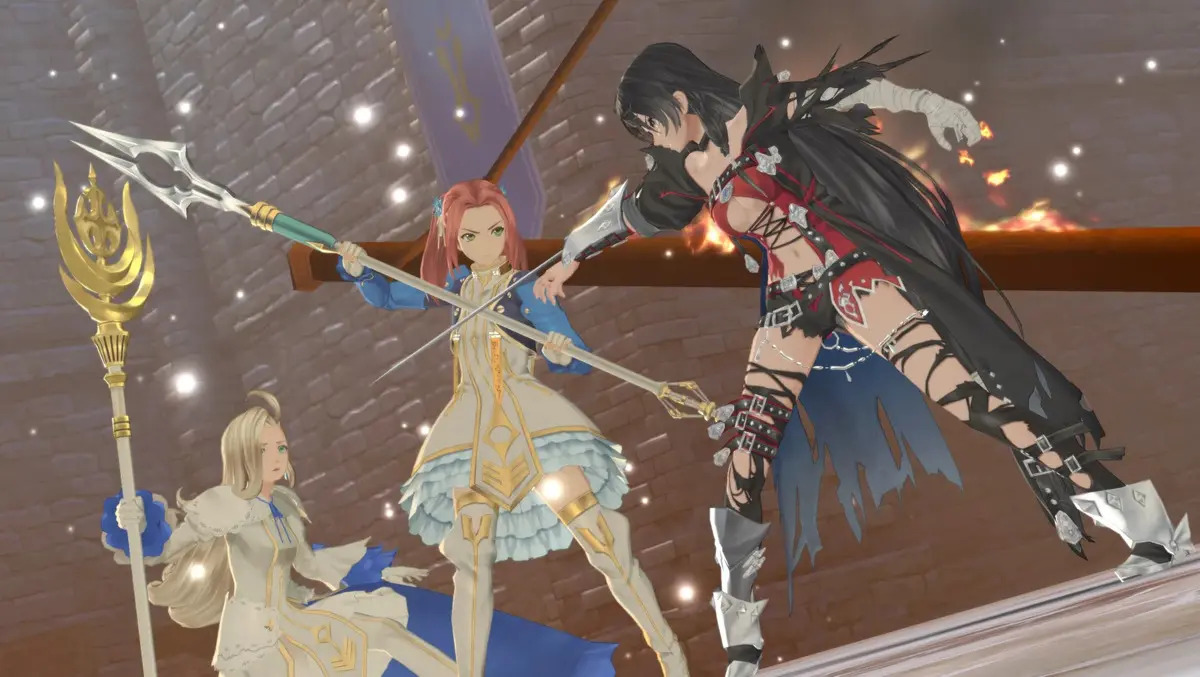
The world of action role-playing games has seen a resurgence of beloved classics with the release of remastered editions for modern consoles. Among these is Tales of Berseria Remastered, a revitalized version of the 2016 title that initially captivated players on PlayStation 3, PlayStation 4, and PC. Released on February 27, 2026, for PlayStation 5, Xbox Series X/S, Nintendo Switch, and PC, this remaster aims to bring the dark and compelling narrative of Velvet Crowe to a new generation of gamers. However, the experience varies significantly depending on the platform, with the Nintendo Switch version facing considerable performance limitations. This review will delve into the nuances of the remaster, focusing on the visual fidelity, new features, gameplay mechanics, and overall experience across different platforms, with a particular focus on the Switch iteration.
At its core, Tales of Berseria tells the story of Velvet Crowe, a young woman ostracized for possessing demonic powers. Driven by a thirst for vengeance against her former mentor, Artorius Kollnic, who betrayed her and her family, Velvet embarks on a perilous journey across the Midgand continent. The narrative explores themes of morality, redemption, and the blurred lines between good and evil, offering a mature and emotionally resonant experience. The remaster retains this compelling storyline, allowing both returning fans and newcomers to immerse themselves in Velvet’s complex quest. The game is a prequel to Tales of Zestiria, adding depth to the overall lore of the Tales series. Wikipedia provides a comprehensive overview of the game’s background and development.
Visual Performance: A Tale of Two Experiences
The visual presentation of Tales of Berseria Remastered is a mixed bag, heavily dependent on the hardware it’s running on. On PlayStation 5, the remaster truly shines, boasting a crisp 4K resolution and a consistently smooth 60 frames per second. This enhanced visual fidelity brings the game’s environments and character models to life, offering a significantly improved experience compared to the original release. The difference is immediately noticeable, with textures appearing sharper and animations flowing more fluidly. The Xbox Series X/S and PC versions are expected to deliver similar performance, providing a premium visual experience for players on those platforms.
However, the Nintendo Switch version paints a different picture. Bandai Namco did not develop a native version for the Switch 2, meaning players are essentially experiencing the original Switch game running on the upgraded hardware. This results in a significantly lower resolution of 720p in handheld mode, increasing to 1080p when docked. More concerning is the inconsistent framerate, which struggles to maintain a stable 30fps, particularly during intense combat sequences with numerous enemies on screen. The visual clarity is noticeably diminished, appearing blurry and lacking the detail found on other platforms. While the Switch’s portability is appealing, the compromised visual performance makes it the least desirable version for those prioritizing graphical fidelity. The visual shortcomings are particularly stark when compared to the enhanced visuals available on the PS5 and other modern consoles.
Enhanced Features and Quality-of-Life Improvements
Beyond the visual upgrades (or lack thereof on the Switch), Tales of Berseria Remastered introduces a host of new features and quality-of-life improvements designed to enhance the player experience. A significant addition is the inclusion of all previously released downloadable content (DLC), offering over 70 items and costumes for characters at no extra cost. This provides players with a wealth of customization options and expands the game’s content without requiring additional purchases. The official Bandai Namco website details the included DLC and features.
Several gameplay tweaks further refine the experience. Players can now increase character movement speed by 20% (to 1.2x the original speed), making exploration less tedious. The ability to toggle enemy encounters allows players to bypass unwanted battles, streamlining the experience for those focused on the story or specific challenges. A destination marker and the option to reveal the entire map, including chest locations, provide valuable assistance for navigation and completionists. Auto-saving after crucial battles and cutscenes, coupled with a retry option upon defeat, adds a layer of convenience and reduces frustration. New Game Plus features, such as double experience points, increased currency, and discounted shop items, encourage replayability and experimentation.
Dynamic Combat and Engaging Gameplay
The core gameplay of Tales of Berseria Remastered remains a highlight, offering a dynamic and engaging combat system. Unlike traditional turn-based JRPGs, Berseria features a real-time action combat system that emphasizes skillful execution and strategic positioning. Players control Velvet and her party members directly, chaining together Artes – special combat moves – to unleash devastating combos. Velvet’s unique status as a daemon grants her access to powerful and visually striking abilities, making combat perceive visceral and impactful. The ability to steal “Souls” from enemies to empower combos adds another layer of strategic depth.
The game’s party system allows players to switch between different characters during battles, each possessing unique combat styles and Artes. This encourages experimentation and allows players to tailor their strategies to different encounters. Ultimate finishing moves, known as Mystic Artes, provide spectacular displays of power and can turn the tide of battle against challenging bosses. Tag-team moves, unlocked later in the game, further enhance the combat possibilities. The active combat system, a departure from the turn-based mechanics of games like Dragon Quest VII, keeps players engaged and rewards skillful play. The fluidity and responsiveness of the combat system contribute significantly to the overall enjoyment of the game.
Final Verdict and What’s Next
Tales of Berseria Remastered is, at its heart, an excellent JRPG with a compelling story, memorable characters, and a thrilling combat system. The enhancements and quality-of-life improvements elevate the experience for returning fans and newcomers alike. However, the platform significantly impacts the overall enjoyment. While the PlayStation 5 version delivers a visually stunning and smooth experience, the Nintendo Switch version suffers from noticeable performance issues that detract from the immersion. The lack of a native Switch 2 version is a missed opportunity, leaving the Switch iteration feeling dated and compromised.
Considering the varying experiences, a definitive score is challenging. The PS5, Xbox Series X/S, and PC versions easily warrant a score of 8.5 or 9 out of 10. However, the Switch version, due to its visual shortcomings and performance issues, receives a score of 7.5 out of 10. Despite its flaws, the Switch version remains playable and offers access to the compelling story and gameplay for those without access to more powerful hardware.
Bandai Namco has not yet announced any further updates or patches for the Switch version of Tales of Berseria Remastered. Players can stay informed about future developments and potential improvements by visiting the official Bandai Namco website and following their social media channels. The European Bandai Namco website provides the latest news and updates.
What are your thoughts on Tales of Berseria Remastered? Share your experiences and opinions in the comments below! Don’t forget to share this article with fellow JRPG enthusiasts.
Worth a look