The Crushing Reality for Women Under Taliban Rule: A Descent into Gender Apartheid
The situation for women in Afghanistan continues to deteriorate dramatically as the Taliban seized control in August 2021. Increasingly, thier lives are defined by systematic oppression and a shrinking sphere of freedom. You’re likely hearing reports of escalating restrictions, but the full scope of the crisis is truly heartbreaking.
This isn’t simply about limiting opportunities; it’s a intentional dismantling of women’s rights, edging towards what human rights groups now describe as a de facto system of gender apartheid. Let’s break down what this means and why it’s a global concern.
The Loss of Livelihoods & Economic Independence
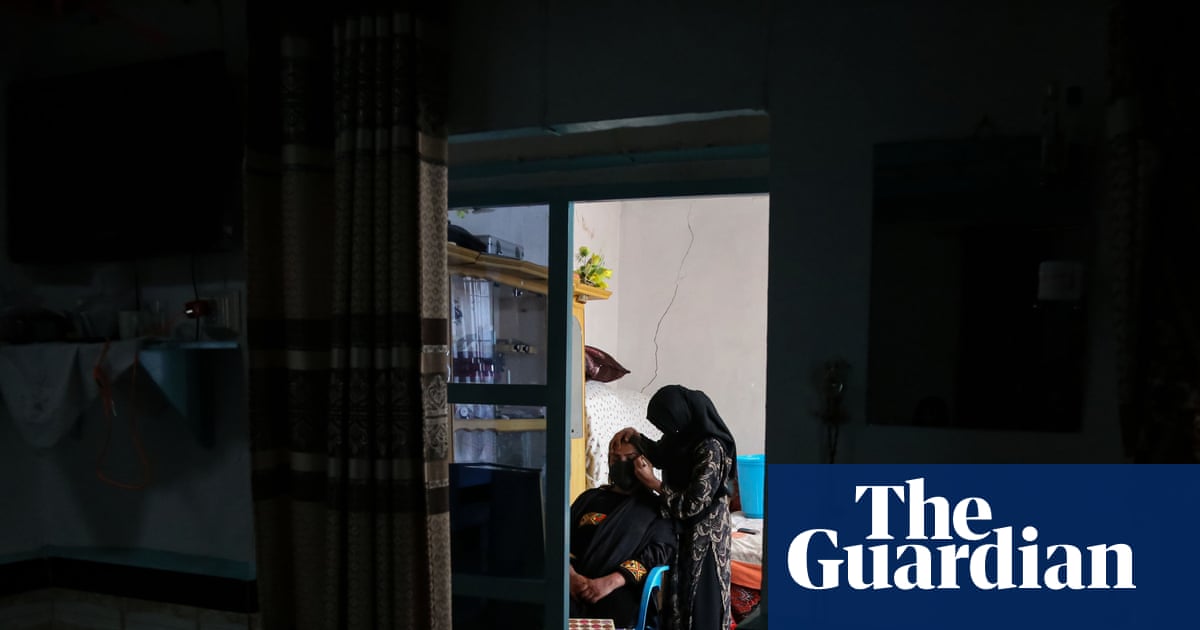
For many Afghan women, work wasn’t just about financial security – it was about dignity and purpose. Consider the story of one woman, a salon owner and sole provider for her family, whose livelihood vanished overnight when the Taliban banned beauty salons. She poignantly expressed how bringing joy to other women through her work brought her immense satisfaction.
Now, facing an uncertain future with no alternative skills, she embodies the plight of countless others.The Taliban’s policies have effectively barred women from most forms of paid employment, leaving families vulnerable and stripping women of their economic independence.
Banned Sectors: Beauty salons, gyms, and other communal spaces are now off-limits.
Limited Opportunities: Access to education beyond primary school is denied, further restricting future prospects.
Economic Hardship: The loss of income exacerbates poverty and dependence.
A Web of Restrictions on Daily Life
The restrictions extend far beyond the workplace, permeating every aspect of a woman’s life. Imagine a world where even the simplest freedoms are curtailed.
Here’s a glimpse of the daily realities Afghan women now face:
Movement Restrictions: Women are often prohibited from walking in public parks or traveling without a male chaperone.
Dress Code: Complete covering is mandated when leaving the house, severely limiting personal expression.
Silencing Voices: Speaking in public is forbidden, effectively silencing their voices and opinions. Education Denial: Girls are prevented from attending secondary school or university, effectively ending their formal education.
These aren’t isolated incidents; they are systemic policies designed to erase women from public life.
The Human Cost & Global Implications
The consequences of these policies are devastating. Beyond the immediate economic hardship, the psychological toll is immense. Women are experiencing increased rates of depression, anxiety, and domestic violence.
This isn’t just an Afghan issue; it’s a global crisis. The systematic oppression of half the population has far-reaching implications for the country’s stability, development, and future.
What can you do?
Stay Informed: Continue to follow the developments in Afghanistan and share facts with your network.
Support Organizations: Donate to organizations working to provide aid and advocate for women’s rights in Afghanistan.
Raise Awareness: Speak out against the injustices and demand accountability from the international community.
The situation is dire,but it’s crucial to remember the resilience and strength of Afghan women. Their voices deserve to be heard, and their rights must be protected. It’s a moral imperative for all of us to stand in solidarity with them during this incredibly challenging time.