
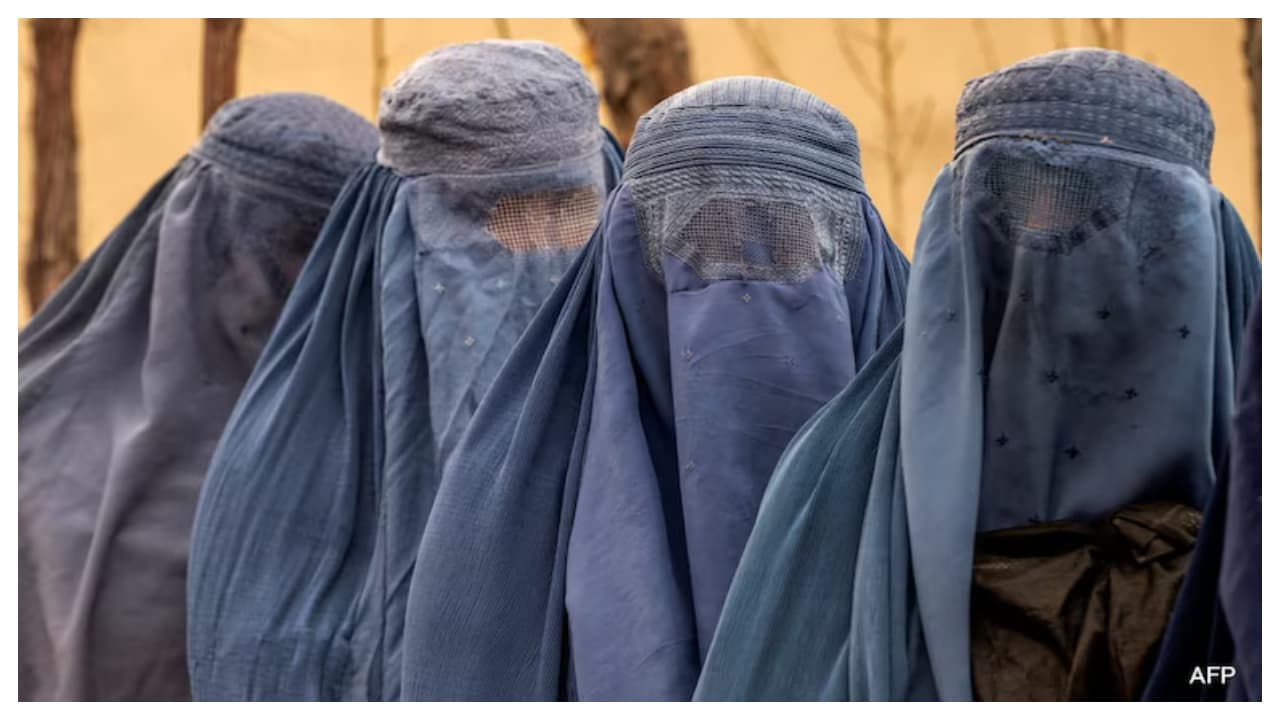
Reports of New Taliban Legal Frameworks Suggest Drastic Rollback in Women’s Marriage and Safety Rights
KABUL — Emerging reports regarding the implementation of new legal mandates in Afghanistan have sent shockwaves through the international human rights community, signaling what experts describe as a potentially unprecedented deepening of gender-based restrictions. Allegations concerning a new criminal code suggest that the Taliban-led administration may be moving to codify practices that strip women of their fundamental right to consent in marriage and provide legal cover for domestic violence.
The reports, which have begun to circulate through regional media outlets, describe a legal landscape where the autonomy of women is increasingly subordinated to patriarchal authority. If verified, these developments would represent a significant escalation in the systematic dismantling of women’s rights that has characterized the Taliban’s governance since their return to power. The focus of these reports centers on two alarming areas: the interpretation of “silence” as consent in marriage and the establishment of specific physical thresholds for what constitutes criminal domestic abuse.
As the international community continues to monitor the situation in Afghanistan, these reports underscore a growing concern that the country is moving toward a state of formal “gender apartheid.” This term, increasingly used by United Nations experts, describes a system where women and girls are systematically excluded from public life and denied basic legal protections based solely on their sex.
The “Silence as Consent” Allegation in Marriage
One of the most distressing aspects of the reported legal shifts involves the criteria for marriage consent. According to reports emerging from regional news sources, new guidelines may interpret the silence of a “virgin girl” as a form of legal consent to marriage. This interpretation stands in direct opposition to international human rights standards, which mandate that marriage must be entered into with the free and full consent of both parties.
Under such a framework, the ability of a woman to refuse a marriage contract would be effectively neutralized by her inability to voice opposition, or by the legal assumption that her lack of verbal protest constitutes agreement. Human rights advocates argue that this would legalize forced marriages on a massive scale, leaving young women with no legal recourse against unions orchestrated by male guardians.
The implications for Afghan women are profound. For decades, international legal frameworks, including the Convention on the Elimination of All Forms of Discrimination Against Women (CEDAW), have worked to ensure that marriage is a choice rather than a mandate. The reported shift in Afghanistan suggests a total rejection of these global norms in favor of a localized, ultra-conservative interpretation of domestic and religious law.
Redefining Domestic Violence: The Physical Threshold
Equally concerning are reports regarding a revised approach to domestic violence within the new criminal framework. The allegations suggest that the legal system may now distinguish between “permissible” physical discipline and criminal assault based on the severity of the physical outcome.
According to these reports, a husband’s use of physical force against a wife or child may only be considered a criminal offense if it results in “visible” injuries, such as broken bones or open wounds. Under this proposed standard, physical abuse that causes internal pain, bruising, or psychological trauma—but does not result in the specific physical markers mentioned—would potentially fall outside the scope of criminal prosecution.
Legal experts note that such a “threshold of injury” creates a massive loophole for perpetrators of domestic abuse. By setting the bar for criminal intervention at the level of broken bones, the law effectively decriminalizes a wide spectrum of physical violence. This shift would not only fail to protect victims but would also send a signal that domestic violence is a private matter, provided it does not reach a certain level of visible carnage.
This development mirrors a broader trend observed by organizations like Human Rights Watch, which has documented the systematic erosion of women’s legal protections in Afghanistan since 2021. The reported focus on physical “evidence” of injury as a prerequisite for justice ignores the reality of domestic abuse, which often relies on escalating cycles of violence that do not always leave immediate, visible scars.
A Pattern of Systematic Exclusion
While these specific reports regarding marriage and domestic violence are devastating, they do not exist in isolation. They are part of a documented pattern of decrees issued by the Taliban administration that have progressively restricted the movement, education, and employment of women. From the ban on female secondary and university education to the requirement for a mahram (male guardian) for long-distance travel, the trajectory of the last several years has been one of continuous contraction of female agency.
The reported introduction of these new criminal codes suggests that the Taliban is moving from a phase of “de facto” restrictions—achieved through decrees and social pressure—to a phase of “de jure” restrictions, where these discriminatory practices are formally written into the nation’s legal statutes. This formalization makes it significantly more demanding for international bodies to challenge the legality of these actions, as the administration can claim they are following a sovereign domestic legal process.
The impact of this legal evolution is felt most acutely by the most vulnerable: young girls and women in rural areas, where access to legal counsel is non-existent and the influence of local, conservative interpretations of law is absolute. In these regions, the reported “silence as consent” and “threshold of injury” rules could become the standard for daily life, with little to no hope of oversight or appeal.
Key Takeaways: The Impact on Afghan Women
- Erosion of Consent: Reported legal interpretations may treat a woman’s silence as legal consent for marriage, effectively legalizing forced unions.
- Criminalization Thresholds: New domestic violence standards may only recognize physical abuse as criminal if it results in broken bones or open wounds.
- Systemic Regression: These changes represent a shift toward codifying gender discrimination into the formal Afghan criminal code.
- Human Rights Crisis: The developments align with international warnings regarding the emergence of “gender apartheid” in Afghanistan.
The international response to these developments remains a critical variable. While the United Nations and various human rights organizations have repeatedly called for the restoration of women’s rights, the Taliban administration has largely remained unresponsive to external pressure, maintaining that its legal and social structures are based on its specific interpretation of Islamic law.

As these reports are further scrutinized and potentially confirmed by official legal documents, the pressure on the international community to move beyond rhetorical condemnation toward more substantive diplomatic and economic measures is expected to intensify. The core question remains whether the global community can effectively respond to a state that is systematically formalizing the exclusion of half its population.
Next Checkpoint: International human rights observers are currently awaiting the official publication of the full text of the new criminal code to verify the specific wording of these mandates. We will provide updates as soon as the legal documents are made available for analysis.
What are your thoughts on the international community’s ability to influence legal shifts in sovereign nations? Share your views in the comments below and share this article to raise awareness.