Controversy Erupts Over Secretary of Defense‘s Comments on Combat Standards
A recent exchange on national television has ignited a fierce debate regarding physical standards in the military, specifically as they pertain to women in combat roles.The core of the controversy stems from remarks made by the Secretary of Defense concerning the necessity of gender-neutral physical requirements for demanding combat positions.
The Secretary suggested that standards should prioritize demonstrable physical power, acknowledging that while women are welcome to attempt to meet these rigorous benchmarks, the outcome may naturally result in some roles remaining inaccessible to them. This position has drawn sharp criticism,especially from veteran lawmakers.
A Strong Rebuke from Senator Duckworth
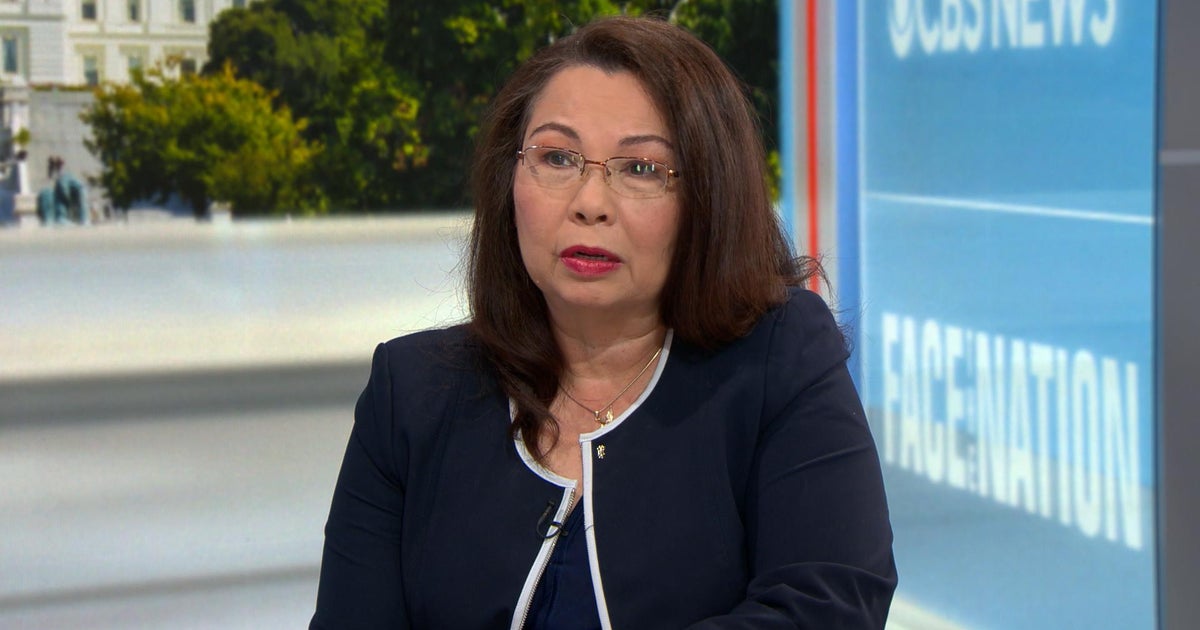
Senator Tammy Duckworth, a decorated veteran herself, delivered a scathing response, labeling the Secretary of Defense as “the least qualified” in the nation’s history. She directly challenged his questioning of the capabilities of women who have successfully met existing, demanding standards.
Duckworth highlighted the achievements of female graduates from programs like Ranger School and SEAL training, emphasizing their proven ability to perform at the highest levels. She further pointed out a critical nuance often overlooked: that even within male standards, variations exist based on age and physical condition.
Concerns About Undermining Military Effectiveness
The Senator’s critique extended beyond the issue of standards, accusing the Secretary of harboring a long-standing bias against women serving in the military. She passionately asserted that the military’s effectiveness relies heavily on the contributions of female service members.
Duckworth cited the example of the “Lionesses” – all-female Marine Corps units deployed in Afghanistan. These units proved invaluable in gathering intelligence from Afghan women, a crucial element in counterinsurgency operations. This demonstrates the unique and vital role women play in modern warfare.
Broader Implications and Questions of Leadership
The debate raises basic questions about leadership, inclusivity, and the evolving nature of combat. You might be wondering what this means for the future of the armed forces.
Here’s a breakdown of the key concerns:
* Fairness and Opportunity: Are current standards truly measuring combat effectiveness, or are they inadvertently creating barriers to entry for qualified individuals?
* Leadership Accountability: Does the Secretary’s stance reflect a genuine concern for military readiness, or a pre-existing bias?
* Utilizing All Available Talent: Can the military afford to perhaps exclude a significant portion of the population from critical roles?
* The importance of Diverse Perspectives: How does a lack of diversity impact intelligence gathering and operational effectiveness?
Ultimately, this controversy underscores the ongoing tension between maintaining rigorous standards and ensuring equal opportunity within the military.It’s a conversation that demands careful consideration, informed by both experience and a commitment to building the most effective fighting force possible. You deserve a military that reflects the strength and diversity of the nation it protects.
Related reading