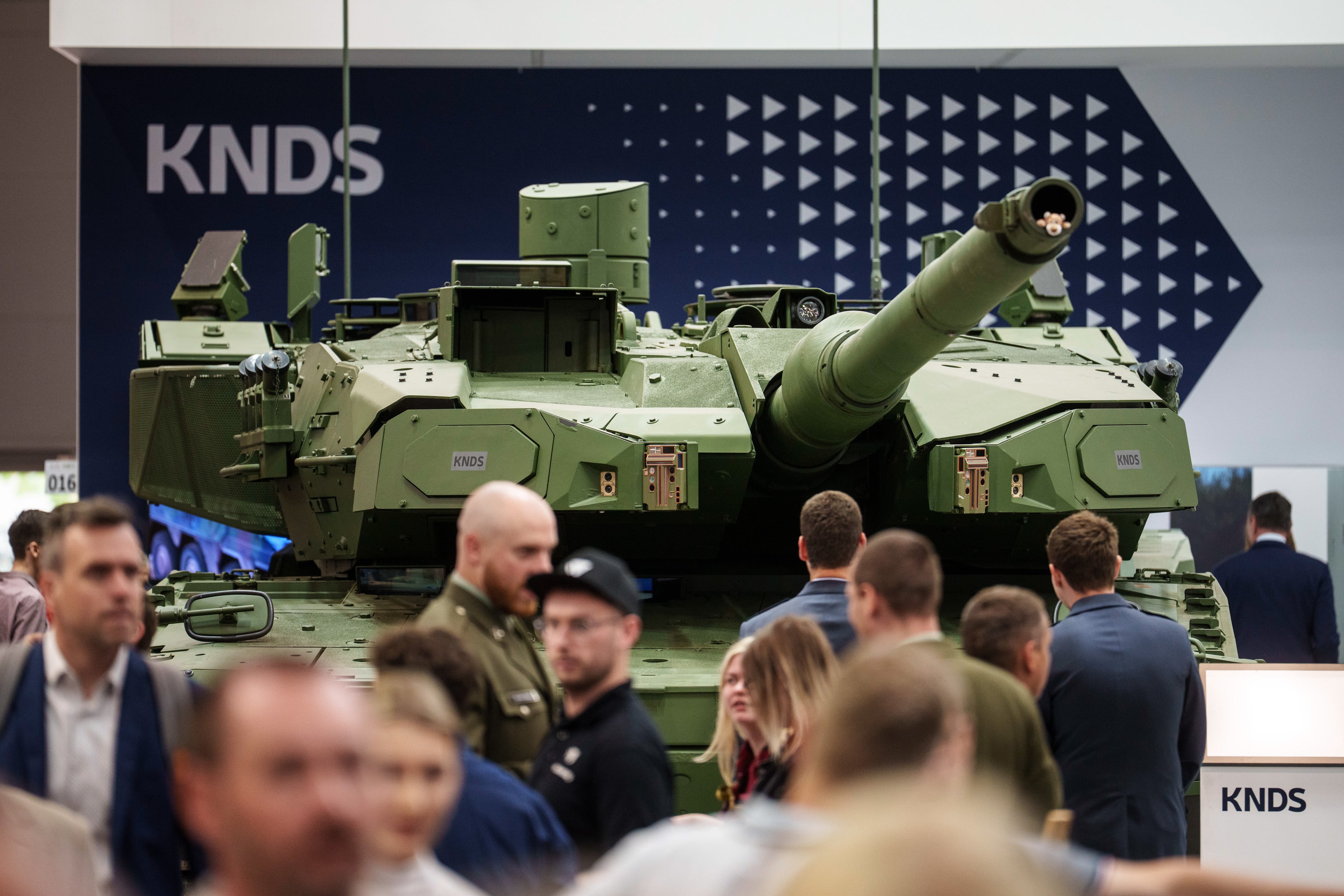
The German federal government has moved to solidify its influence over the European defense landscape by acquiring a direct stake in KNDS, the joint venture between Germany’s Krauss-Maffei Wegmann and France’s Nexter. This strategic investment, which aligns with Berlin’s broader efforts to reorganize its defense industrial base, precedes a planned public offering of the tank manufacturer. According to the German Federal Ministry of Defence, the move is intended to ensure long-term stability and security of supply for the German Armed Forces, specifically regarding the production and maintenance of the Leopard 2 and future main battle tank systems.
The decision to formalize state involvement in KNDS serves as a counterweight to the market dominance of Rheinmetall, Germany’s largest defense contractor. By taking a direct ownership interest, the German government secures a seat at the table in the governance of a company that is central to the Franco-German defense cooperation framework. Financial analysts note that this state-backed entry is designed to facilitate a more controlled transition toward the capital markets, with KNDS preparing for a potential listing in both Frankfurt and Paris. While specific valuation figures remain subject to ongoing negotiations and market conditions, the move represents a shift in European defense policy, prioritizing state-level oversight in critical military hardware production.
Strategic Rationale for the State Entry
For the German government, the primary objective is to guarantee the industrial capacity required for the Main Ground Combat System (MGCS), a flagship project intended to replace existing tank fleets in the 2030s. The French and German defense ministries have repeatedly emphasized that the MGCS is a pillar of European strategic autonomy. By becoming a direct stakeholder, Berlin can better influence the technical direction of the venture, ensuring that the intellectual property and production capabilities remain aligned with national security requirements.

This development follows years of tension regarding the consolidation of the European defense market. Unlike Rheinmetall, which operates as a publicly traded, independent entity with a aggressive growth strategy, KNDS has historically operated as a closely held partnership. The transition toward a public listing suggests a desire to raise capital for research and development while maintaining a structure that respects the political sensitivities of both Berlin and Paris. Investors are watching closely to see how the dual-listing strategy will manage the differing regulatory environments of the Frankfurt Stock Exchange and Euronext Paris.
Market Implications and the “Anti-Rheinmetall” Narrative
Market observers have framed this move as a strategic recalibration against Rheinmetall, which has seen its market valuation surge following the change in the European security climate since early 2022. Rheinmetall’s acquisition of Expal Systems and its focus on rapid production scaling have set a high bar for competitors. By moving KNDS toward the stock market, the German government is effectively providing the manufacturer with the liquidity and public profile necessary to compete for large-scale European procurement contracts that might otherwise gravitate toward Rheinmetall.
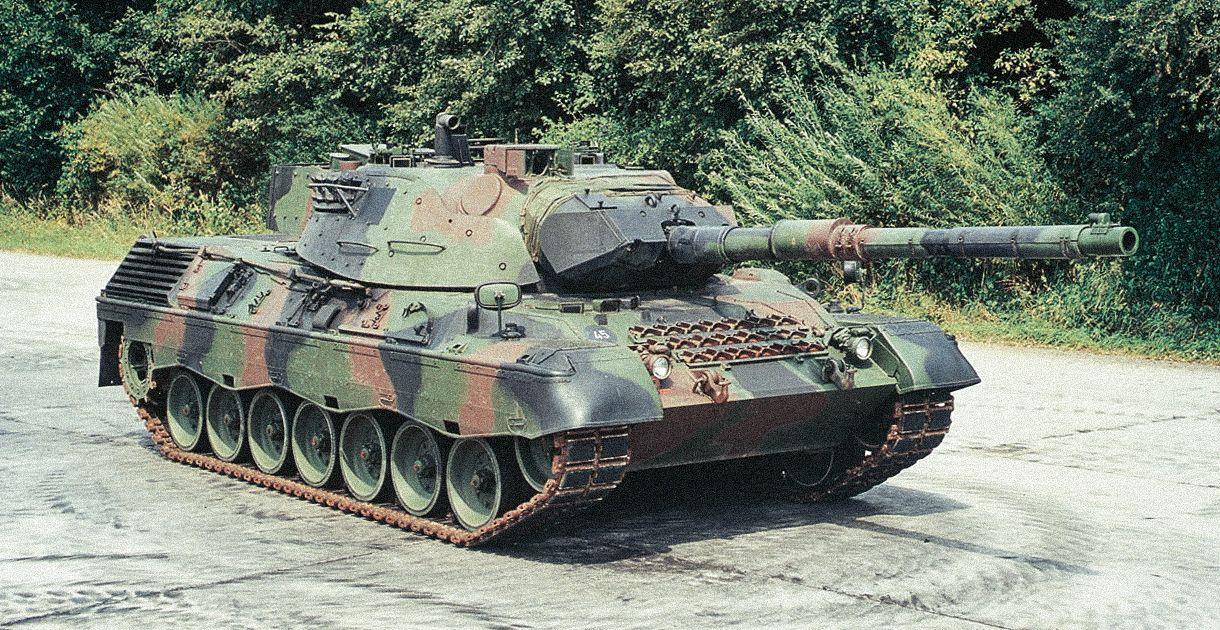
The official press releases from KNDS have thus far maintained a focus on the operational benefits of the move, emphasizing that the change in ownership structure will enhance the company’s ability to deliver on existing export and domestic commitments. However, the political reality is that the German government’s involvement acts as a signal to the market. It confirms that the state views KNDS not merely as a commercial asset, but as a critical piece of national infrastructure that requires a degree of protection and directed support.
What Happens Next for KNDS Investors
The timeline for the proposed initial public offering remains contingent on several regulatory hurdles and the finalization of the state’s entry terms. Potential investors should monitor upcoming filings with the Federal Financial Supervisory Authority (BaFin), which will provide clarity on the valuation and the percentage of equity the government intends to hold post-IPO. The complexity of the dual-listed structure—involving both German and French regulatory authorities—means that the process is unlikely to be expedited.
The next phase will involve the formal appointment of underwriting banks and the publication of a prospectus detailing the company’s financial health and future growth projections. For industry stakeholders, the key metric to watch is the division of labor between the German and French arms of the venture, as this will determine the long-term profitability and industrial stability of the entity. As the process unfolds, the balance between commercial market pressures and the requirements of the German and French defense ministries will remain the defining feature of the KNDS investment case.
This is a developing story. We encourage our readers to share their analysis of the European defense market in the comments section below, and to sign up for our weekly newsletter for the latest updates on defense industrial policy and global market movements.
Related reading
- Ukraine’s Relentless Drone Campaign Disrupts Life and Logistics in Occupied Crimea
- US Debt Nears $40T: What the Debasement Trade Means for Bitcoin
- Linda Ruzich Adopts German Shepherd at Wichita Humane Society (news-usa.today)
- Birkenstock Raises Annual Sales Forecast Following Strong Quarterly Revenue (newsdirectory3.com)