
For millions of people worldwide, inflammatory acne is more than a cosmetic concern; it is a persistent medical condition that can impact psychological well-being and confidence. Unlike non-inflammatory acne, which presents as blackheads and whiteheads, inflammatory acne involves the redness, swelling, and pain associated with papules, pustules, and deeper nodules. The search for a “targeted” solution—one that addresses the root cause without damaging the surrounding skin—has led to significant advancements in dermatological care.
One of the most effective professional interventions for these active lesions is the use of targeted chemical peels. When formulated correctly, these treatments are designed to accelerate the “drying” of inflammatory lesions, reducing the swelling and preventing the formation of new breakouts by clearing the follicular pathway. For those struggling with moderate to severe inflammation, moving beyond over-the-counter washes toward targeted, clinical-grade interventions can represent a turning point in skin health.
As a physician and health journalist, I have observed a paradigm shift in how we approach acne. We are moving away from “blanket” treatments that dry out the entire face—often leading to irritation and barrier compromise—and toward precision therapies. These targeted approaches focus on the specific biological drivers of inflammation: excess sebum production, bacterial proliferation, and the skin’s inflammatory response.
Understanding Inflammatory Acne: The Biological Driver
To understand why a targeted peeling treatment works, one must first understand the mechanism of inflammatory acne. The process typically begins with the overproduction of sebum (the skin’s natural oil). When this oil mixes with dead skin cells, it creates a plug in the pore. If Cutibacterium acnes (the bacteria associated with acne) proliferates within this plug, the body triggers an immune response.
This immune response is what causes the “inflammation”—the redness and pus. When we speak of a “targeted treatment for inflammatory acne,” we are referring to therapies that can penetrate the pore to reduce this inflammation and regulate the oil production that fuels the cycle. According to the American Academy of Dermatology, managing these inflammatory lesions is critical to preventing permanent scarring and post-inflammatory hyperpigmentation.
How Targeted Peeling Accelerates Healing
Chemical peels used for inflammatory acne are not the aggressive “skin-stripping” procedures of the past. Modern targeted peels utilize specific acids—most notably Beta Hydroxy Acids (BHAs) like salicylic acid—that are lipophilic, meaning they are oil-soluble.
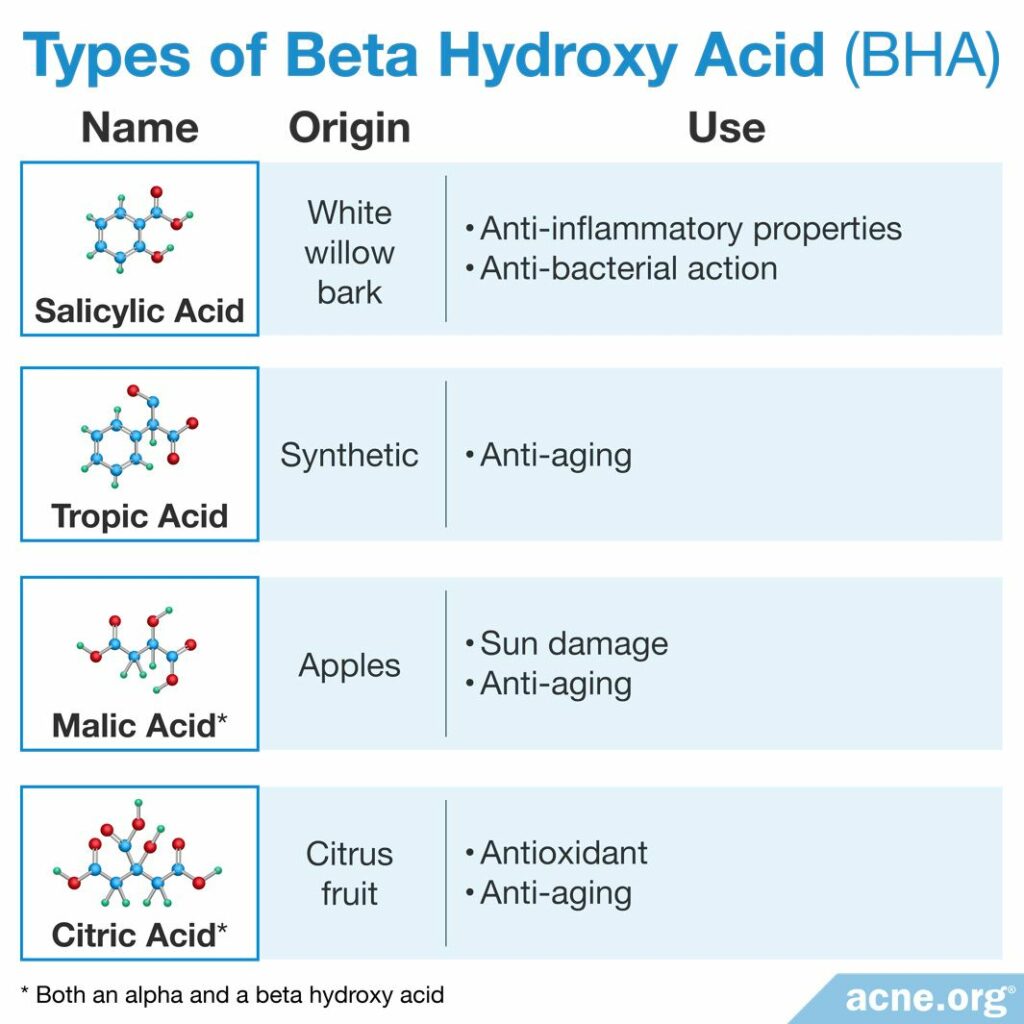
Because these acids can dissolve in oil, they can penetrate deep into the sebum-filled pore to exfoliate the lining and “dry out” the inflammatory lesion from the inside. This process helps in several ways:
- Rapid Decongestion: By breaking down the cellular debris and oil plugs, the peel allows the trapped inflammation to resolve more quickly.
- Anti-Inflammatory Action: Certain targeted acids possess intrinsic anti-inflammatory properties that soothe the redness and swelling of a papule or pustule.
- Prevention: By maintaining a clear follicular opening, these treatments reduce the likelihood of new lesions forming in the same area.
The goal of a professional peel in this context is to achieve a controlled “drying” effect on the lesion without compromising the skin’s overall moisture barrier. This precision prevents the common mistake of over-drying the skin, which can actually trigger the sebaceous glands to produce more oil in compensation.
Beyond Peels: The Landscape of Targeted Therapy
While targeted peels provide immediate relief for active lesions, the broader field of dermatology is exploring even more precise ways to inhibit the biological processes that lead to acne. The current trend in medical innovation is shifting toward targeting the enzyme systems responsible for sebum synthesis.
In addition to chemical exfoliants, other targeted modalities are frequently used in conjunction with peels to manage inflammatory acne:
- Vascular and Light Therapies: Certain laser treatments are used to target the redness and blood vessel dilation associated with inflammatory acne, helping to reduce the “angry” appearance of the skin.
- Topical Retinoids: These remain a gold standard for targeting cell turnover and preventing the initial pore blockage.
- Systemic Interventions: For severe cases, physicians may use medications that target hormone receptors or bacterial growth more aggressively than topicals can.
The integration of these tools allows dermatologists to create a multi-pronged strategy: using peels for the rapid resolution of current lesions and other targeted therapies to ensure long-term remission. This comprehensive approach is essential for patients who have not responded to traditional therapies.
Evaluating Treatment Options: Safety and Suitability
Not every skin type is suited for every type of peel. For instance, those with deeper skin tones (Fitzpatrick scales IV-VI) must be particularly cautious with certain acids to avoid post-inflammatory hyperpigmentation. A targeted treatment is only “targeted” if it is tailored to the individual’s specific skin chemistry and lesion type.
When seeking a treatment to dry inflammatory lesions, patients should look for the following markers of quality and safety:
- Professional Administration: Clinical-grade peels should be performed by a licensed dermatologist or aesthetician to ensure the acid concentration is safe.
- Patch Testing: A targeted approach always includes a patch test to ensure the skin does not have an adverse reaction to the active ingredients.
- Post-Treatment Care: Because peels remove the top layer of dead skin, the skin becomes highly susceptible to UV damage. The use of a broad-spectrum SPF is non-negotiable during and after treatment.
According to clinical guidelines from the Mayo Clinic, the most successful acne outcomes result from a combination of consistent home care and periodic professional interventions tailored to the patient’s specific acne grade.
Quick Comparison: Targeted Peels vs. Traditional Spot Treatments
| Feature | Traditional Spot Treatment | Targeted Professional Peel |
|---|---|---|
| Penetration | Surface level; often sits on top of the lesion. | Deep penetration into the sebaceous follicle. |
| Action | Dries the surface of the skin. | Exfoliates the pore lining and reduces sebum. |
| Scope | Treats one lesion at a time. | Treats the entire affected area and prevents new lesions. |
| Risk | Low, but can cause localized peeling. | Higher; requires professional oversight and SPF. |
The Path Forward in Acne Care
The transition toward targeted therapy marks a significant improvement in patient quality of life. By focusing on the specific mechanisms of inflammatory acne—rather than treating the skin as a monolith—People can achieve faster results with fewer side effects. Whether through the precise application of a chemical peel or the use of emerging medical innovations, the goal remains the same: to resolve inflammation quickly and restore the skin’s natural balance.

For those currently experiencing a flare-up of inflammatory acne, the next step is a professional skin analysis. A dermatologist can determine whether a targeted peel, a light-based therapy, or a systemic medication is the most appropriate course of action based on the depth and severity of the lesions.
World Today Journal encourages readers to consult with a board-certified dermatologist before beginning any new chemical peel regimen. We welcome your thoughts and experiences with targeted acne treatments in the comments below.
Related reading