
Beyond Cleaning: A Proactive Approach to Infection Prevention
In healthcare settings, maintaining a safe surroundings for patients and staff is paramount.While traditional cleaning protocols are essential, they aren’t always enough to fully mitigate the risk of healthcare-associated infections (HAIs). you need a strategy that goes beyond routine disinfection – one that actively works to break the chain of infection.
The Limitations of Reactive Cleaning
cleaning relies on a reactive approach. It addresses contamination after it occurs. But what happens when cleaning schedules are disrupted, or contamination happens between scheduled cleanings? this is where a more proactive strategy becomes crucial.
Consider the critical touchpoints throughout a healthcare facility – doorknobs, light switches, bedside tables. These surfaces can harbor pathogens, even with diligent cleaning. A continuous layer of protection can substantially reduce the risk of transmission.
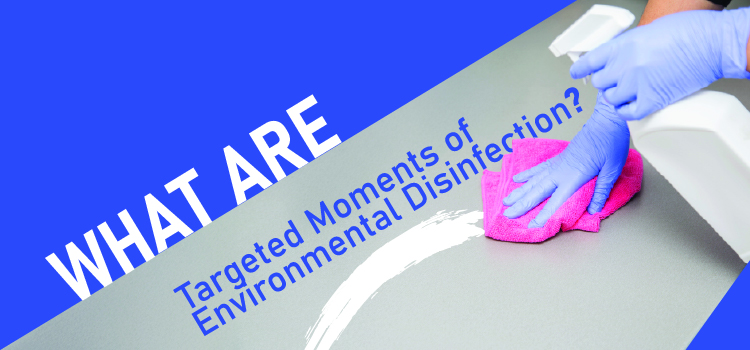
Targeted Manual Disinfection: Embedding Safety into Workflow
A powerful framework for improving hygiene practices is targeted manual disinfection (TMED). Like established models for hand hygiene, TMED focuses on identifying and addressing “critical moments” – specific times when the risk of pathogen transmission is highest.
It doesn’t just tell staff to disinfect; it integrates disinfection into their existing workflow. This leads to better compliance and, ultimately, improved patient outcomes. Specifically, TMED:
Focuses on moments that directly impact patient safety.
Reinforces the importance of disinfection as a core part of daily routines.
improves adherence to best practices through consistent reinforcement.
The Power of Biocidal Surfaces: A continuous Line of Defense
In situations where cleaning may not keep pace with contamination,biocidal surfaces offer a vital advantage. These surfaces are engineered to continuously kill pathogens, providing a persistent layer of protection. Think of it as a safety net that works around the clock.
Here’s how biocidal surfaces enhance infection prevention:
Constant Pathogen Elimination: They actively kill bacteria, viruses, and fungi on frequently touched surfaces between scheduled cleanings.
Reduced Bioburden: They maintain a low level of microbial contamination, minimizing the risk of transmission and HAI rates.
Reliable Protection: They continue to work even when routine cleaning compliance falters, providing consistent defense against disease-causing organisms.
Layered Protection: The Synergy of TMED and Biocidal Surfaces
The most effective infection prevention strategies aren’t based on a single solution. They combine multiple layers of protection. TMED and biocidal surfaces work synergistically to create a safer care environment.
You get immediate response at critical moments and continuous microbial reduction over time. This combined approach minimizes transmission risk beyond what daily cleaning alone can achieve. It’s about building a robust defense system that protects both patients and your dedicated healthcare team.





