
Tata Motors Commercial Vehicles (TMCV) is accelerating a strategic shift away from its core truck business toward digital platforms, international operations, and mobility services as it seeks to reduce cyclical revenue risks tied to commodity cycles. According to company filings and interviews with senior executives, the move reflects a broader industry trend where commercial vehicle manufacturers are diversifying into tech-driven solutions to sustain growth amid volatile demand for traditional trucks.
In a significant restructuring announced in its latest quarterly earnings report, TMCV outlined plans to invest ₹1,200 crore ($145 million) over the next three years in digital infrastructure, including a new mobility-as-a-service (MaaS) platform and expansion of its international operations. The company, which accounts for nearly 60% of India’s commercial vehicle market, aims to capture a 20% share of the global MaaS market by 2027, according to internal projections shared with LiveMint.
The pivot comes as Tata Motors, the parent company, faces mounting pressure to deliver consistent earnings growth. While TMCV’s truck sales surged 18% year-over-year in the fiscal year ending March 2024, driven by infrastructure projects in India and Africa, the segment remains vulnerable to commodity price swings and regulatory shifts. “We cannot afford to be hostage to cyclical demand,” said Guenter Butschek, CEO of Tata Motors, in a recent earnings call. “Digital and mobility services offer us a more stable revenue stream.”
Why Tata Motors Is Betting Big on Digital and Mobility
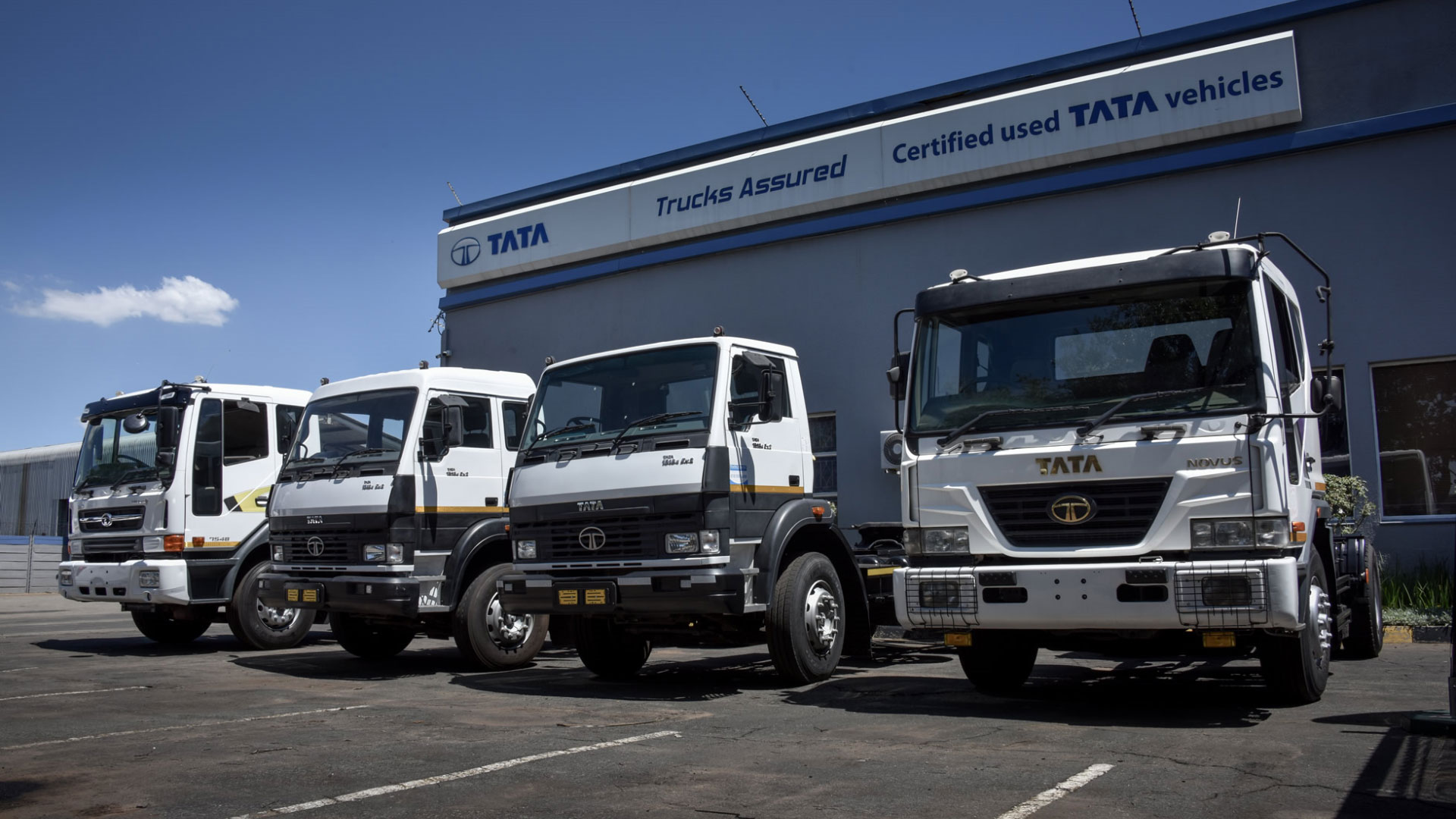
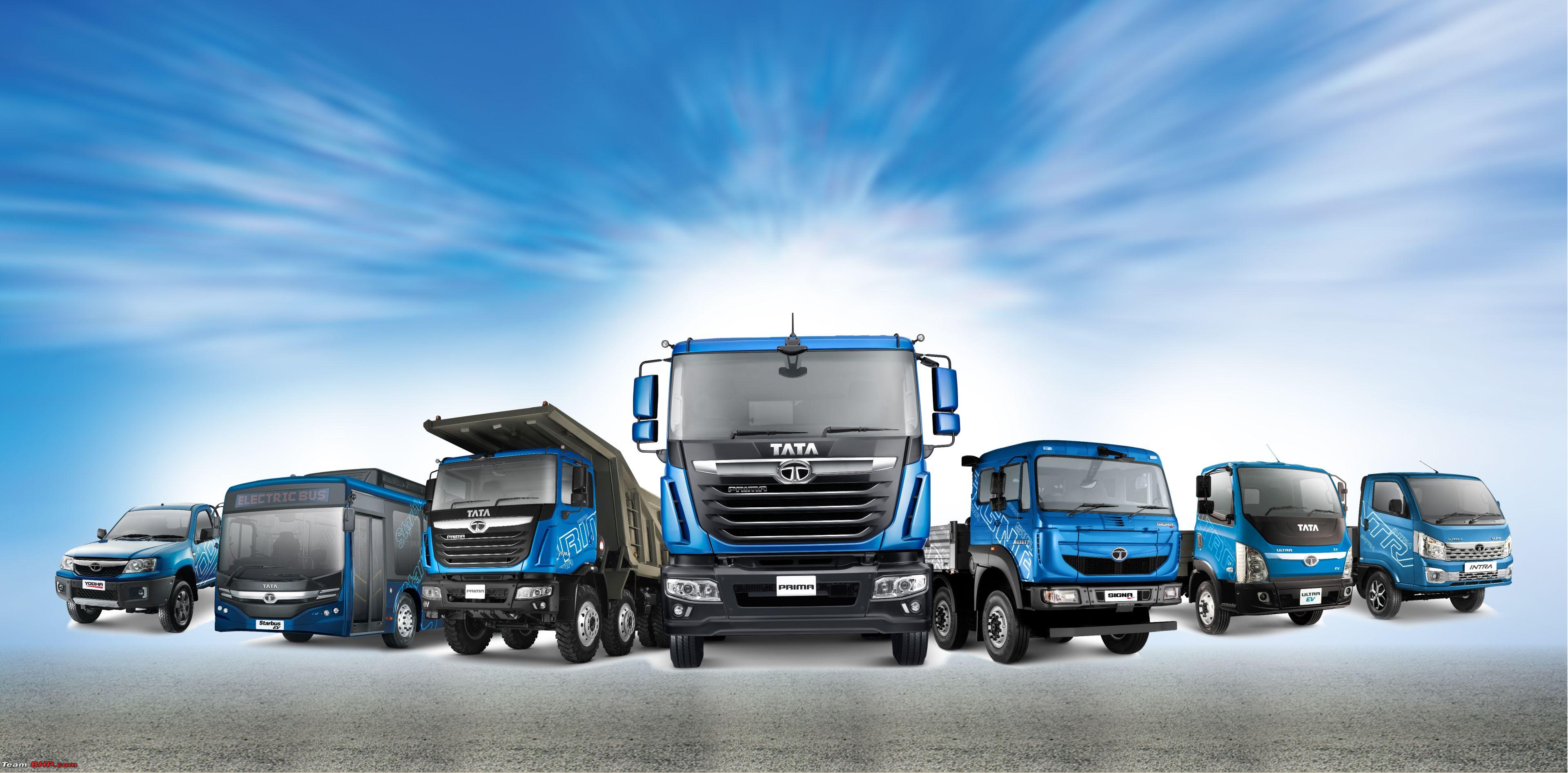
TMCV’s strategy hinges on three pillars: scaling its digital platforms, expanding international operations, and developing mobility services. The company’s existing digital initiatives, such as its telematics and fleet management solutions, already serve over 50,000 commercial vehicles globally. Now, it is expanding these offerings into a full-fledged MaaS platform, which will integrate ride-hailing, logistics, and last-mile delivery services.
According to a Business Standard analysis of TMCV’s business plan, the MaaS platform is expected to generate ₹800 crore ($97 million) in annual revenue by 2026, with a focus on emerging markets like Southeast Asia and Latin America. The company has already partnered with Uber Freight and Delhivery to pilot its logistics solutions, with plans to roll out a standalone app by early 2025.
Internationally, TMCV is doubling down on its presence in Africa and Southeast Asia, where demand for commercial vehicles is growing at a compound annual rate of 7%—double the global average, according to the International Council of Commercial Vehicle Manufacturers. The company has already established manufacturing hubs in Kenya and Thailand, with plans to open a new assembly plant in Vietnam by 2025 to serve the ASEAN market.
How the Shift Affects Investors and Customers
For investors, the move signals a long-term play on diversification rather than a short-term fix. Analysts at BloombergQuint note that while the transition may initially dilute earnings per share, the potential upside in digital and mobility services could offset risks from commodity cycles. “Tata Motors is making a calculated bet on the future of mobility,” said Siddhartha Sanyal, an equity analyst at BloombergQuint. “If executed well, this could position them as a leader in the next wave of commercial vehicle innovation.”

Customers, particularly fleet operators and logistics providers, stand to benefit from TMCV’s expanded digital ecosystem. The new MaaS platform promises real-time tracking, predictive maintenance, and optimized routing—features that could reduce operational costs by up to 15%, according to a pilot study conducted with DHL in India. “This isn’t just about selling trucks anymore; it’s about becoming a full-service mobility partner,” said Mukesh Gupta, TMCV’s senior vice president for digital transformation, in an interview with The Hindu BusinessLine.
However, the transition is not without risks. Competitors like Volvo Group and Daimler Truck are also investing heavily in digital and autonomous solutions, creating a crowded market. Additionally, the success of TMCV’s MaaS platform will depend on consumer adoption, particularly in markets where digital infrastructure remains underdeveloped.
What Happens Next: Key Milestones and Challenges
TMCV’s roadmap includes several critical milestones in the coming years:
- Q1 2025: Launch of the standalone MaaS app in India and Southeast Asia, with partnerships announced for ride-hailing and logistics integrations.
- 2025: Expansion of the Kenya and Thailand manufacturing hubs, with a focus on electric commercial vehicles to meet regional emissions regulations.
- 2026: Full commercialization of the MaaS platform, targeting a 10% market share in India’s logistics sector.
- 2027: Entry into the European MaaS market, leveraging Tata Motors’ existing partnerships with Volkswagen Group.
One of the biggest challenges will be balancing the transition with ongoing truck sales, which still account for over 70% of TMCV’s revenue. “The trick will be to grow the digital business without cannibalizing the core,” said Reuters in a recent analysis. “If they misstep, they risk diluting their brand in the eyes of traditional customers.”
TMCV’s next quarterly earnings report, scheduled for October 15, 2024, will provide the first concrete update on the digital and mobility initiatives. Investors will be watching closely for details on revenue contributions from the new platforms and any adjustments to the ₹1,200 crore investment plan.
Key Takeaways: What This Means for the Industry
- Diversification is the new normal: TMCV’s shift reflects a broader industry trend where commercial vehicle manufacturers are moving beyond hardware to software and services.
- Digital adoption accelerates: The success of TMCV’s MaaS platform could set a benchmark for how legacy automakers integrate digital solutions into their business models.
- International expansion remains critical: Markets like Africa and Southeast Asia are becoming battlegrounds for commercial vehicle manufacturers, with electric and digital-ready models in high demand.
- Regulatory and consumer adoption risks: The transition will depend on navigating evolving emissions regulations and convincing customers to adopt new digital services.
For readers interested in tracking TMCV’s progress, official updates will be available on the company’s investor relations page and through its LinkedIn channel. The next major milestone—launching the MaaS app—will be closely watched by industry analysts and investors alike.
What do you think about Tata Motors’ shift toward digital mobility? Share your thoughts in the comments below or on our LinkedIn page. For more updates on global business trends, subscribe to our newsletter.
Worth a look