
Understanding how credit card tax deductions function when utilizing third-party sales platforms requires a clear grasp of tax agency guidelines regarding transaction processing. For taxpayers and business owners, determining whether a payment made through a platform—such as those operating as sales agencies—qualifies for a credit card receipt tax credit often hinges on the specific registration status of the payment processor and the merchant of record.
In many jurisdictions, the eligibility for tax credits related to credit card transactions is strictly tied to the issuance of valid electronic payment documentation. According to the Internal Revenue Service, taxpayers must maintain accurate records of their business expenses and payments to substantiate any claims made during the filing process. When a third-party platform acts as the intermediary, the distinction between the platform’s role as a sales agent and its role as a payment processor becomes critical for tax compliance.
Defining the Role of Payment Processors in Tax Reporting
The ability to claim tax credits or deductions for business expenses often depends on whether the transaction is documented in a manner that the tax authority recognizes. In the United States, the IRS provides resources for businesses to manage their tax responsibilities, including the use of official payment platforms for federal tax obligations. When a business uses a third-party service to process payments, it is essential to confirm that the service is an authorized provider to ensure that the payment is correctly credited to the taxpayer’s account.

Similarly, state-level agencies, such as the California Department of Tax and Fee Administration (CDTFA), have established specific protocols for credit card payments. For instance, the CDTFA clarifies that while taxpayers may use credit cards for various tax and fee returns, they must utilize authorized vendors. These vendors are often responsible for processing the transaction and providing the necessary confirmation numbers, which the taxpayer must then retain for their records. A service fee, such as the 2.3 percent transaction fee charged by vendors like Fiserv, is a common feature of these state-authorized payment systems, and such fees are generally not considered tax revenue but rather processing costs.
Navigating Sales Agency Transactions
When a business uses a platform that functions as a sales agency, the primary question for tax purposes is who is issuing the credit card sales slip. If the platform acts as a mere intermediary, the underlying merchant may remain the primary party responsible for issuing the documentation required for tax credits. However, if the platform is recognized as the merchant of record or a registered payment facilitator, the tax treatment may shift.
Taxpayers should verify the following to ensure compliance:
- Merchant of Record: Identify which entity is legally responsible for the transaction and the issuance of the sales receipt.
- Authorized Payment Status: Confirm whether the platform is an official, government-authorized payment provider for the specific tax being paid.
- Documentation Retention: Always keep digital or physical copies of payment confirmation numbers and receipts, as these are necessary to substantiate claims during an audit or when filing an amended return.
Why Accurate Documentation Matters
The integrity of your tax filing relies on the ability to link a payment to a specific tax liability. As noted by the Internal Revenue Service, failing to provide proper documentation can lead to delays in processing refunds or potential complications during identity verification. For taxpayers using digital platforms, the risk of misclassification is higher if the platform’s internal accounting does not align with the taxpayer’s reporting requirements.
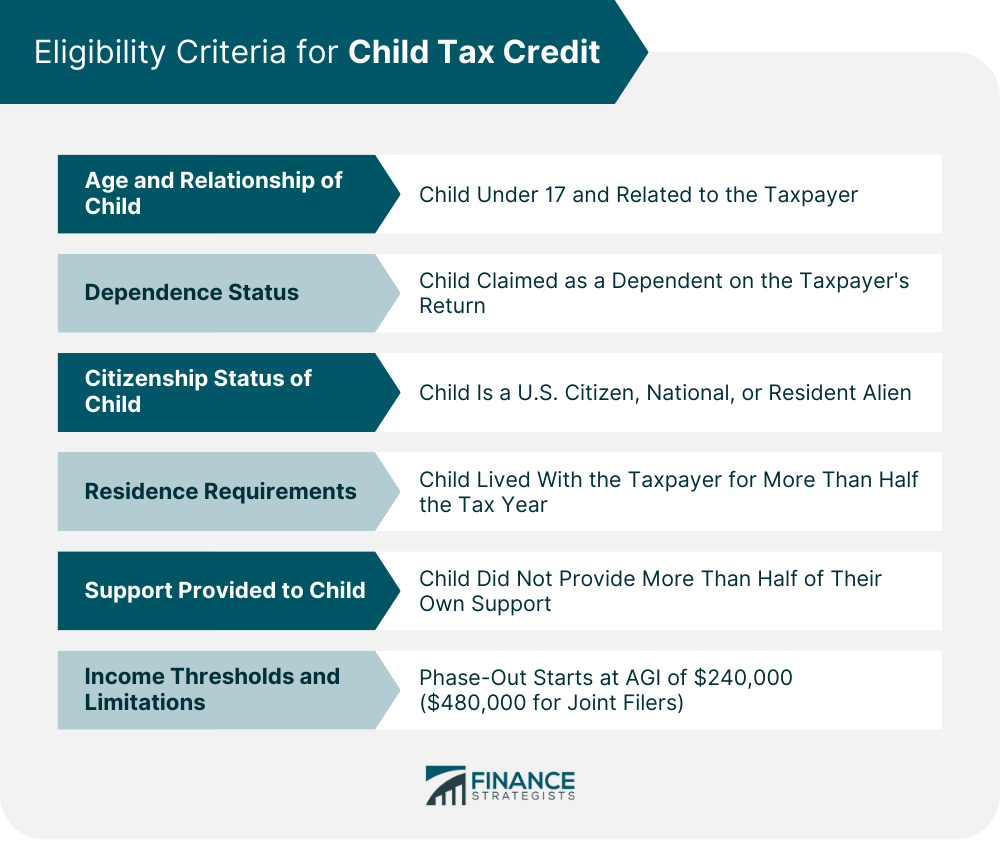
If you are unsure about the classification of a transaction, the most reliable course of action is to consult the official documentation provided by the tax authority governing your specific tax type. For federal taxes, the IRS website offers tools to check refund statuses and access tax records, which can help reconcile payments made through third-party platforms. For state or local taxes, checking the specific FAQ pages of your state’s tax agency—such as the resources provided by the CDTFA—is the recommended step to avoid errors that could impact your eligibility for tax credits or deductions.
As tax regulations remain subject to updates, business owners should routinely check for official guidance regarding electronic payment methods. The next scheduled period for standard tax filings typically follows the fiscal year-end, and taxpayers are encouraged to review their account status through official government portals to ensure all payments are accurately reflected before the filing deadline.
We welcome your insights on how digital payment platforms have impacted your tax filing processes. Please share your experiences or questions in the comments section below to keep the conversation going.