
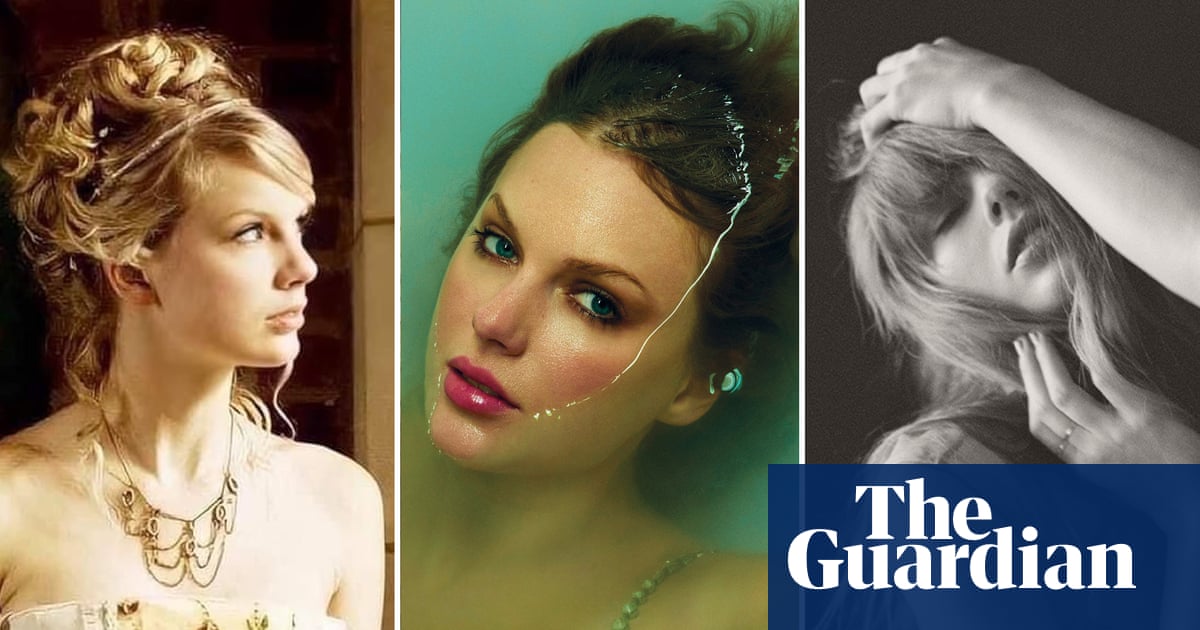
Taylor Swift’s songwriting career, which spans 20 years, has consistently explored the tension between romantic idealism and personal autonomy. While often categorized as a songwriter of fairytales, Swift’s discography frequently centers on themes of internal conflict, the rejection of traditional domestic expectations, and the prioritization of individual ambition over conventional romantic compromises. As public interest in her personal life remains, a review of her catalog reveals a persistent narrative: the refusal to let a romantic partner define her path.
When Swift had her second album under her belt in 2008, she was 19 years old and already establishing a pattern of subverting classic romantic tropes. In the track “White Horse,” she explicitly rejected the damsel-in-distress archetype, singing, “I’m not your princess, this ain’t our fairytale… It’s too late for you and your white horse to catch me now.” This rejection of the “happily-ever-after” narrative became a hallmark of her writing style, even as she simultaneously explored the allure of idealized romance in songs like “Love Story” and “You Belong With Me.”
The Evolution of Ambition in Songwriting
Swift’s approach to commitment has evolved alongside her career, moving from the teenage skepticism of early hits to the more deliberate, career-focused assertions found in her later work. By the time she released her 2022 album Midnights, the lyrical focus had shifted toward a firm prioritization of personal identity. In “Midnight Rain,” she addresses a past relationship, noting, “He wanted a bride / I was making my own name.” This line serves as a clear demarcation, suggesting that for the artist, professional trajectory and personal independence are non-negotiable.
The song “Bejeweled” further emphasizes this theme of self-actualization, where the protagonist chooses her own “sparkle” over a partner who fails to provide validation. This thematic shift highlights a departure from the “rescue” narrative common in pop culture, positioning the artist as the primary architect of her own life story.
Subverting the Fairytale Narrative
The cultural obsession with Swift’s romantic life often obscures the reality presented in her lyrics. While fans and media outlets frequently analyze her discography for clues about her real-world relationships, the songs themselves often provide a critique of the very idea of a “perfect” ending. Cultural critics have long noted that the “happily-ever-after” trope has been questioned in literature and film for generations, with Swift utilizing these familiar frameworks only to dismantle them.

In her songwriting, marriage and commitment are rarely presented as the final destination. Instead, they are depicted as potential obstacles to the self-driven narrative she constructs. The tension between wanting to be loved and needing to remain independent is a recurring motif. Her songs serve as a diary of her lived experience, which includes the realization that professional success often requires a level of autonomy that traditional domesticity might threaten.
The Intersection of Celebrity and Autonomy
Public discourse regarding Taylor Swift’s personal life remains intense, particularly concerning her relationship with Travis Kelce, whom she is set to marry. However, the songwriter’s own work suggests that the “Taylor Swift story” is one that she maintains tight control over. Swift has demonstrated that her professional agency is the central pillar of her public persona.
The “ghosts” in her songs—past regrets, failed relationships, and the pressures of public expectation—are consistently transformed into artistic capital. For Swift, the act of writing is not merely about documenting romance; it is about reclaiming the narrative from those who would attempt to define her. When she sings about ditching a “baby boy” in favor of her own light, she is reinforcing a brand built on resilience and self-reliance rather than submission.
Looking Ahead
As she continues to navigate the intersection of a high-profile personal life and an even higher-profile career, the lyrical themes of her future work will likely continue to reflect this delicate balance.

Whether or not the “happily-ever-after” finally arrives in her personal life, her songwriting remains a testament to the idea that the most important relationship in her story is the one she maintains with her own ambition. As she has consistently shown, the only forces that truly dictate the direction of her life are God and Taylor Swift.
What are your thoughts on how Swift’s lyrics have changed over the years? Share your perspective in the comments below.