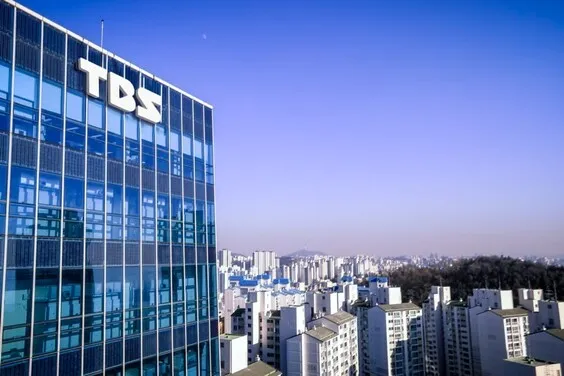
Seoul’s public broadcaster, TBS (Traffic Broadcasting System), is facing a critical juncture following the repeal of city council support. The station, once a vital source of local news and public affairs programming, is now grappling with a severe financial crisis. A recent discussion at the National Assembly in Seoul highlighted the urgent need to diversify TBS’s funding model, with proposals ranging from shared financial responsibility among Seoul’s 25 autonomous districts to increased reliance on sponsorships and public donations. The future of independent, locally-focused media in South Korea may hinge on finding a sustainable path forward for TBS.
The current predicament stems from a decision by the Seoul City Council in November 2023 to abolish the ordinance that provided financial support to TBS. As reported by the Joongang Ilbo, this move effectively cut off a significant revenue stream for the broadcaster. The repeal was scheduled to capture effect on January 1, 2024, placing TBS in a precarious position. Without consistent funding, the station has been forced to drastically reduce its workforce, from approximately 380 employees to just over 80 as of September 2024, and suspend employee salaries. This situation raises concerns about the long-term viability of a public media outlet intended to serve the interests of Seoul’s citizens.
The Call for a Diversified Funding Model
During a March 19, 2026, forum titled “Reviving Seoul’s Public Media: What Should Happen to TBS?” experts and policymakers debated potential solutions to TBS’s financial woes. Kim Chun-hyo, a researcher at the Center for Media Reform Policy Group Seum, argued that TBS’s historical dependence on the Seoul city government created a structural vulnerability. According to reporting from the Hani, Kim emphasized that a broadcaster’s independence – both in terms of its operations and its editorial content – is jeopardized when its funding is entirely controlled by a single political entity. He proposed a multi-faceted approach to funding, involving contributions from both the Seoul city government and all 25 of the city’s autonomous districts.
Kim suggested that Seoul city’s financial support should be capped as a “supplementary resource,” while the 25 districts should contribute proportionally to create a more balanced and decentralized funding structure. This, he argued, would reduce TBS’s reliance on any single power source and safeguard its editorial independence. The proposal included integrating citizen participatory budgeting – allowing Seoul residents to directly influence how a portion of the city’s budget is allocated – alongside traditional fundraising methods like sponsorships, donations, and subscriptions. The goal is to transform TBS into a truly “citizen-led media” organization.
TBS’s Role in Local Democracy and Accountability
Beyond its financial challenges, the discussion too centered on TBS’s role in promoting local democracy and holding power accountable. Kim Chun-hyo criticized the station for not adequately fulfilling its potential as a watchdog over the administrative and legislative activities of Seoul’s 25 autonomous districts. He pointed to the “Kim Kyung Seoul City Council member incident” as an example of a situation where stronger investigative journalism from TBS could have prevented a scandal. As the Hani reported, Kim argued that robust, fact-based journalism is essential for monitoring those in positions of power.
The forum participants drew parallels to successful public media models in other countries. The BBC in the United Kingdom was cited as an example of a broadcaster that collaborates with local, grassroots media organizations to create a “news hub.” Similarly, the New Jersey Civic Information Consortium in the United States was highlighted as a model for revitalizing local information ecosystems and supporting independent news initiatives. These examples suggest that TBS could play a more active role in fostering a stronger and more informed civic discourse within Seoul.
Political Support and Future Prospects
The debate surrounding TBS’s future is unfolding against a backdrop of political maneuvering. Prior to the June 4, 2023, local elections, candidates from the Democratic Party of Korea pledged to restore TBS’s funding. According to the Hani, this commitment suggests a degree of political will to address the broadcaster’s challenges. Kim Jong-cheol, Chairman of the Korea Communications Commission, is scheduled to visit the TBS headquarters in Mapo-gu, Seoul, on March 20, 2026, to meet with staff and assess the situation firsthand. This visit signals a potential shift in the government’s approach to the issue.
The situation at TBS reflects a broader trend of challenges facing public media organizations globally. Maintaining financial independence, ensuring editorial integrity, and adapting to the evolving media landscape are all critical issues. For TBS, the path forward will likely involve a combination of innovative funding models, a renewed commitment to local accountability journalism, and continued political support. The broadcaster’s ability to navigate these challenges will determine whether it can continue to serve as a vital public service for the citizens of Seoul.
Key Takeaways
- TBS is facing a severe financial crisis following the repeal of Seoul City Council funding.
- Experts are proposing a diversified funding model involving contributions from Seoul city and its 25 autonomous districts, alongside public donations and sponsorships.
- There is a growing emphasis on TBS’s role in promoting local democracy and holding power accountable through investigative journalism.
- Political support for restoring TBS’s funding exists, but the future remains uncertain.
The Korea Communications Commission’s upcoming visit to TBS headquarters will be a crucial moment in determining the broadcaster’s future. Further developments are expected in the coming weeks as policymakers consider potential solutions to the funding crisis. We encourage readers to share their thoughts and perspectives on the role of public media in a democratic society in the comments below.
Related reading