
Global markets are currently navigating a complex intersection of geopolitical recalibration and high-stakes sector performance. As investors monitor the evolving security situation in the Middle East, a distinct pattern has emerged on Wall Street: a renewed appetite for risk, driven by speculation surrounding a potential de-escalation in regional hostilities. This shift in sentiment has brought tech and artificial intelligence (AI) stocks back into sharp focus, as market participants look past immediate volatility toward the long-term growth trajectories of the technology sector.
The recent market behavior reflects a broader trend where US investors are increasingly decoupling long-term asset allocation from short-term geopolitical shocks. While the situation remains fluid, the prospect of a prolonged pause in direct conflict between Israel and Iran has provided a temporary, yet significant, tailwind for indices heavily weighted toward technology. According to data tracked by the Reuters market analysis, major indices have exhibited resilience, with investors rotating back into high-growth AI equities that had faced pressure during earlier periods of heightened uncertainty.
Geopolitical Stability and Market Sentiment
For global investors, the primary concern remains the potential for supply chain disruption and energy price volatility. However, the current market reaction suggests that the financial community is pricing in a “contained” risk environment. When geopolitical tensions show signs of cooling, the immediate reflex in the US equities market is often a swift reversion to “risk-on” assets. This is particularly evident in the performance of the Nasdaq 100, which serves as a bellwether for the broader technology sector.

The correlation between regional stability and stock market performance is well-documented, but the intensity of the current AI-driven rally adds a new layer of complexity. Analysts from major financial institutions have noted that the fundamental drivers of the AI boom—namely massive capital expenditure by hyperscalers and sustained demand for semiconductor hardware—remain robust regardless of external geopolitical pressures. As reported by the Financial Times, investors are prioritizing these fundamental growth metrics, viewing any market dip caused by geopolitical news as a potential entry point rather than a signal to exit positions.
The AI Narrative: Beyond the Headlines
Artificial intelligence continues to dominate the narrative for institutional and retail investors alike. The sector’s recent recovery underscores a critical reality: the technological transformation of the global economy is seen as a multi-year, if not multi-decade, trend that is largely indifferent to regional political developments. Companies involved in the AI supply chain—from chip designers and manufacturers to data center operators—are currently benefiting from what analysts describe as a “structural tailwind.”
It is essential for investors to distinguish between short-term sentiment shifts and long-term value creation. While speculative flows can drive daily price action, the underlying strength of the tech sector is supported by tangible earnings reports and massive investments in infrastructure. As the World Bank has highlighted in recent economic outlooks, technological innovation remains a primary driver of productivity growth in developed markets, acting as a buffer against broader global economic headwinds.
Key Takeaways for Investors
- Geopolitical Decoupling: Markets are increasingly looking past regional volatility to focus on corporate earnings and sector-specific growth.
- AI Resilience: The fundamental demand for AI infrastructure remains a constant, providing a floor for valuations in the tech sector.
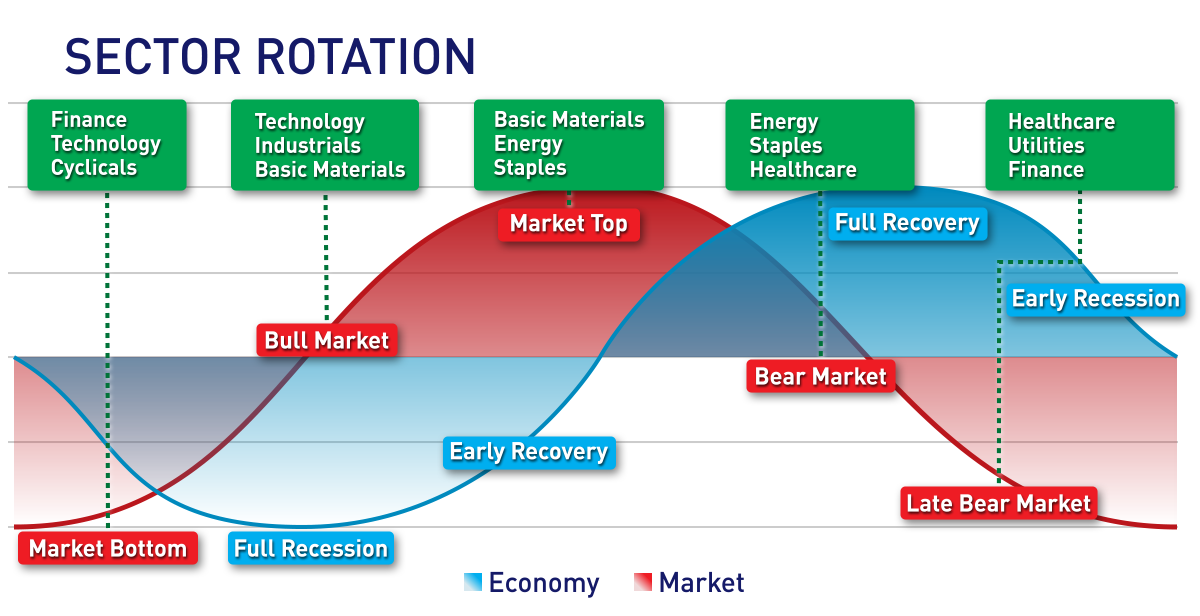
- Sector Rotation: As tensions appear to ease, capital is flowing back into high-beta tech stocks that were previously sidelined.
- Risk Management: Despite the optimism, institutional investors emphasize the importance of maintaining diversified portfolios to mitigate unforeseen geopolitical spikes.
What Happens Next: Monitoring the Situation
The path forward remains tethered to diplomatic developments. Investors are keeping a close watch on official statements from the United Nations Security Council and regional government press offices for any signs of a long-term diplomatic breakthrough. The next key checkpoint for the markets will be the release of upcoming quarterly earnings reports from major tech conglomerates, which will provide a clearer picture of whether the AI-driven spending spree is translating into sustained bottom-line growth.
upcoming central bank policy meetings, including the next scheduled decision from the Federal Open Market Committee (FOMC), will be critical in determining the cost of capital for these growth-heavy companies. As interest rate environments evolve, the sensitivity of high-growth tech stocks to borrowing costs will once again take center stage.
Market participants are encouraged to stay informed through official regulatory filings and verified news outlets. As the situation evolves, we will continue to provide in-depth analysis on how these geopolitical and economic forces intersect. We invite you to share your perspectives in the comments section below—how are you adjusting your portfolio in light of these shifting global dynamics?