
In the evolving landscape of the Russo-Ukrainian war, a significant shift in tactical operations has emerged, characterized by the integration of advanced drone technology and a sophisticated approach to battlefield logistics. As the conflict enters its fifth year, military analysts are observing how the “mathematics of war”—a term often used to describe the precise calculation of attrition, resource allocation, and technological parity—is fundamentally altering the front lines.
The strategic reliance on unmanned aerial systems (UAS) has transformed from a supplementary capability into a dominant operational pillar. Reports from the field indicate that both forces are increasingly prioritizing the development of drones with greater flight autonomy, aiming to strike logistics hubs and command structures far behind the primary combat zones. This technological pivot is not merely a change in weaponry but a shift in the philosophy of modern engagement, where digital connectivity and real-time data processing often determine the success of tactical maneuvers.
The Technological Pivot: Drones as a Decisive Factor
The current phase of the conflict has seen a marked increase in the deployment of aerial and ground-based drones. These systems have become essential for reconnaissance, target acquisition, and direct engagement, effectively creating a “gray zone” of contested territory where traditional heavy armor struggles to maintain a foothold. According to reports from the Institute for the Study of War, the ability of Ukrainian forces to leverage these assets has played a crucial role in maintaining defensive positions and reclaiming contested areas.
Military officials on the ground, such as those within the 157th Mechanized Brigade, emphasize that the primary challenge is no longer just holding static trenches, but protecting the specialized units operating these systems. The race to secure high-efficiency power sources and lightweight components has turned the conflict into a competitive technological development cycle. This rapid iteration allows for the deployment of custom-built drones tailored to specific environmental and tactical needs, a capability that has significantly improved the resilience of local defenses against larger, conventional forces.
Understanding the Tactical “Mathematics of War”
The term “mathematics of war” refers to the grim but essential calculations regarding human and material losses. In recent months, international observers have noted a divergence in reporting regarding casualties and territorial control. While official reports from Kyiv have cited substantial losses for Russian forces, these figures remain subject to the complexities of wartime propaganda and the difficulty of verifying data in active combat zones. The Agence France-Presse (AFP) has noted that, based on data provided by independent monitoring groups, there have been significant fluctuations in the control of territory, particularly in southeastern regions where the “gray zone” remains highly volatile.
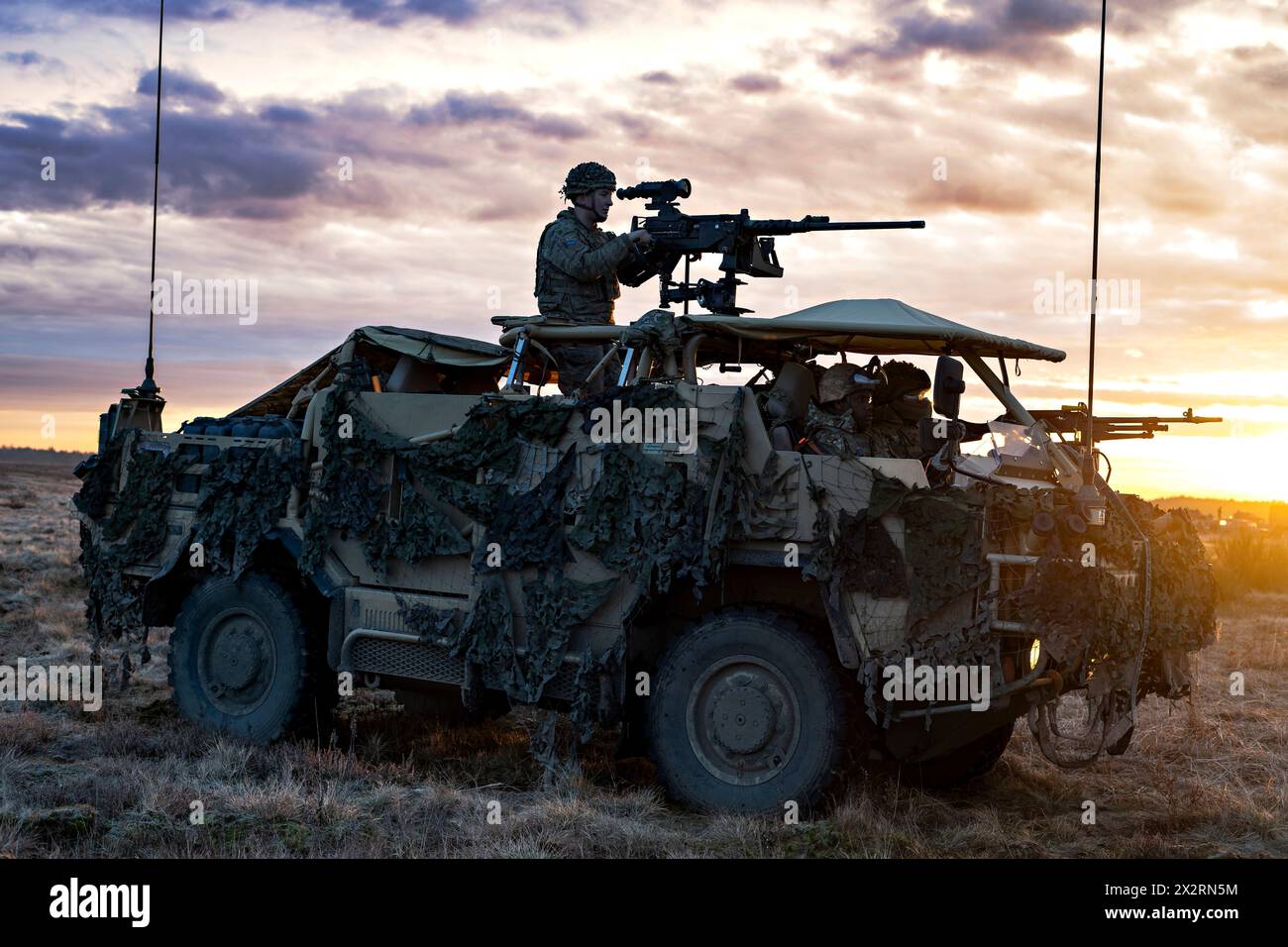
This volatility is exacerbated by the disruption of communications infrastructure. The reliance on satellite-based internet and encrypted messaging platforms has become a critical vulnerability. When these systems are compromised or jammed, the ability of decentralized units to coordinate large-scale maneuvers is severely hampered. The war has become increasingly fragmented, with little, autonomous squads executing high-impact strikes that, when aggregated, create significant strategic pressure on the opposing side.
The Human Element in High-Tech Warfare
Behind the software and the circuitry, the human element remains the most critical, yet often the most overlooked, component. The training required to operate modern drone systems is extensive, requiring not only technical proficiency but also the ability to remain calm under the pressure of electronic warfare environments. Anecdotal evidence from the front lines suggests that the demographic of the “drone operator” is shifting, with younger soldiers often demonstrating a higher aptitude for the rapid-learning curves required to manage sophisticated, AI-enhanced hardware.
However, the psychological toll of this type of warfare—characterized by constant surveillance and the unpredictability of drone strikes—is profound. Unlike traditional artillery, which provides audible warnings, the silent approach of a drone creates a persistent, low-level stress that affects the morale and operational effectiveness of troops on both sides of the conflict. The integration of artificial intelligence to assist in target identification and pathfinding is expected to further intensify this pressure, as the speed of decision-making on the battlefield continues to accelerate.
What Comes Next: Strategic Outlook
As the conflict progresses into the summer of 2026, the focus will likely remain on the sustainability of these high-tech supply chains. The ability of both nations to procure the necessary electronic components—often sourced through complex international markets—will determine which side can maintain the operational tempo of their drone fleets. International sanctions and export controls on dual-use technology, as monitored by bodies such as the Council of the European Union, continue to shape the availability of these critical materials.
The next major checkpoint for the conflict will be the upcoming assessment of territorial control and troop replenishment cycles, expected to be reviewed by international defense committees in the coming quarter. As the situation remains fluid, observers are advised to rely on official statements from the U.S. Department of Defense and other allied military agencies for verified updates on the status of the front lines.
We invite our readers to share their perspectives on the impact of autonomous systems on global security. How do you believe international law should adapt to the rise of AI-driven combat? Join the conversation in the comments section below.
Related reading