
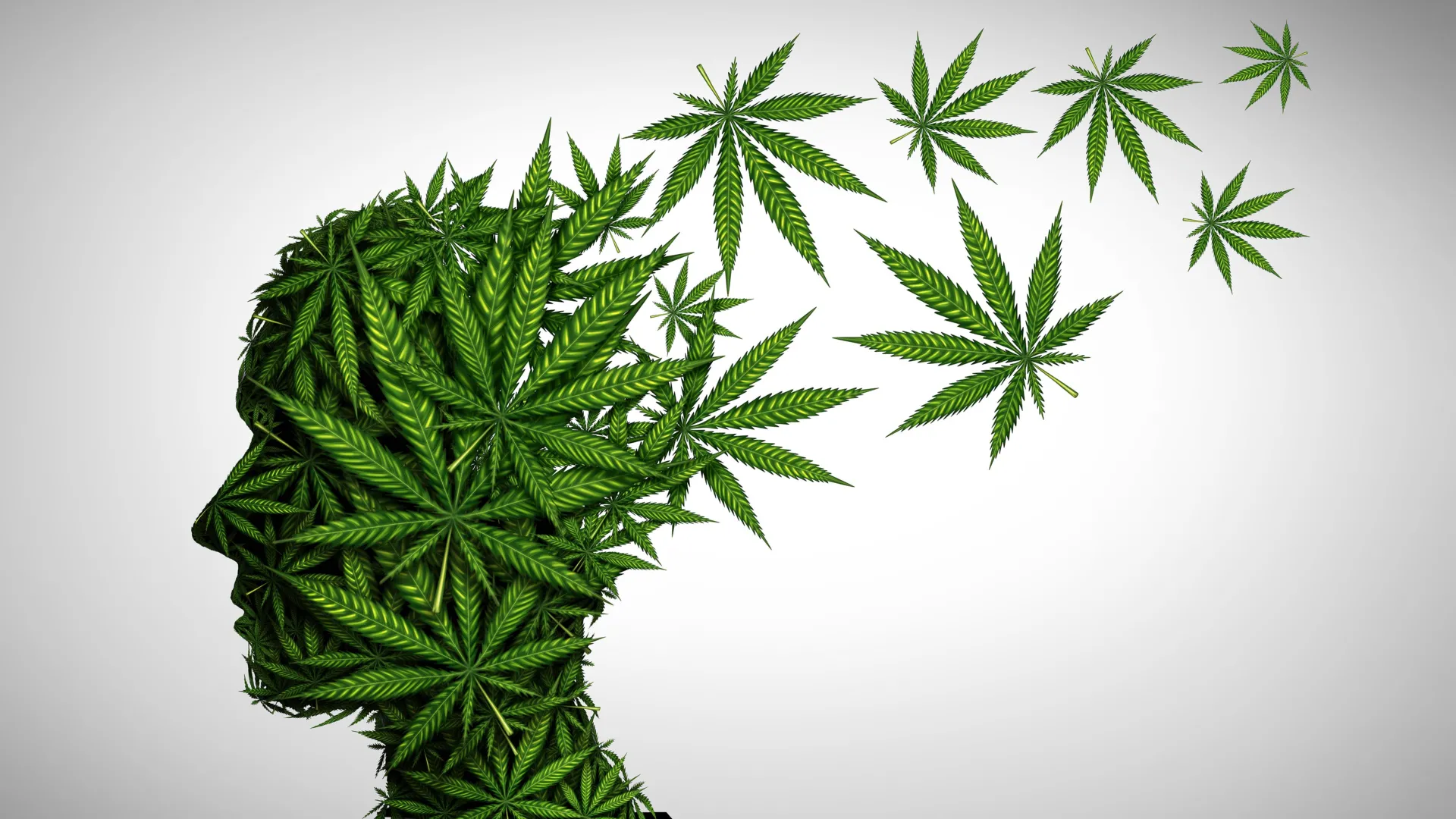
Adolescents who use cannabis face a substantially greater risk of developing serious mental health disorders, including psychotic and bipolar disorders, according to a study of more than 463,000 adolescents. Researchers found cannabis use often preceded these diagnoses by nearly two years, a finding that adds to the growing body of evidence regarding the drug’s impact on the developing brain.
I have observed how medical literature continues to shift our understanding of substance use during the formative years of brain development. This study provides a rigorous, population-level look at an issue that remains a primary concern for pediatricians and public health officials worldwide. The data suggests that for a significant subset of the adolescent population, the transition from cannabis use to the onset of severe mental illness is not merely coincidental but potentially causal, though researchers emphasize that individual susceptibility varies.
The Connection Between Cannabis and Psychotic Disorders
The study, which leveraged extensive health registries to track outcomes, found that the correlation between cannabis use and the later development of psychiatric conditions was particularly pronounced for psychotic disorders. The adolescent brain is undergoing critical maturation processes, particularly in regions responsible for impulse control and emotional regulation, making it uniquely vulnerable to external chemical interference. The findings indicate that the risk of a subsequent diagnosis of bipolar disorder or schizophrenia is markedly higher in teens who use cannabis compared to their peers who do not.
This research is consistent with long-standing clinical observations regarding the “prodromal” phase of mental illness. When we see cannabis use preceding a diagnosis by nearly two years, it suggests that the substance may be acting as a catalyst, accelerating the onset of a condition that might otherwise have appeared later in life, or perhaps triggering it in individuals who might never have developed the disorder otherwise. The study participants were tracked over several years, allowing researchers to adjust for various socioeconomic factors and pre-existing vulnerabilities.
Understanding the Impact on the Developing Brain
Why does cannabis use pose a greater threat to a teenager than to an adult? The answer lies in the endocannabinoid system, which plays a vital role in synaptic pruning and neurodevelopment. When an adolescent introduces high concentrations of cannabinoids, such as THC, into a system that is still “wiring” itself, the potential for long-term functional disruption is substantial.

It is important for parents and clinicians to distinguish between occasional experimentation and regular use. The study specifically highlighted that the risk profile increases significantly with the frequency of use. For many families, the challenge lies in early identification. The average two-year gap between initial use and the presentation of clinical psychiatric symptoms provides a window for intervention, yet this window is often missed because early symptoms of both cannabis use and the onset of mental illness—such as social withdrawal, irritability, or academic decline—can look remarkably similar.
Public Health Implications and Clinical Guidance
The findings from this large-scale analysis underscore the necessity for clearer public health messaging regarding the risks of cannabis. While many jurisdictions are moving toward the legalization of cannabis for adult use, the medical community remains concerned that these policy shifts have created a perception among youth that the substance is entirely benign.
For those concerned about a teenager’s behavior, the most effective approach remains early consultation with a primary care provider or a mental health professional. If a teenager displays rapid changes in mood, sleep patterns, or cognitive function, it is essential to conduct a comprehensive assessment that includes a screening for substance use. While this study does not suggest that every adolescent who uses cannabis will develop a mental illness, it does establish that for the population at large, the statistical risk is undeniable.
Looking ahead, the next checkpoint for this research will involve longitudinal studies aimed at determining whether specific genetic markers or environmental factors make certain adolescents more susceptible to these psychiatric outcomes than others. As we await further data from ongoing neurobiological studies, it is crucial that we prioritize evidence-based prevention programs in schools and community health centers. I encourage readers to share their thoughts or experiences in the comments below, and to consult official government health portals for the latest updates on adolescent substance use policies.