Iran Grapples with Economic Turmoil: Currency Crisis, Leadership Changes, and Mounting Pressures
Iran is currently facing a deepening economic crisis, marked by a rapidly depreciating currency, rising inflation, and growing public discontent. Recent developments signal a notable attempt by the government to address thes challenges, but the path forward remains fraught with uncertainty.
A Currency in Crisis & Public Response
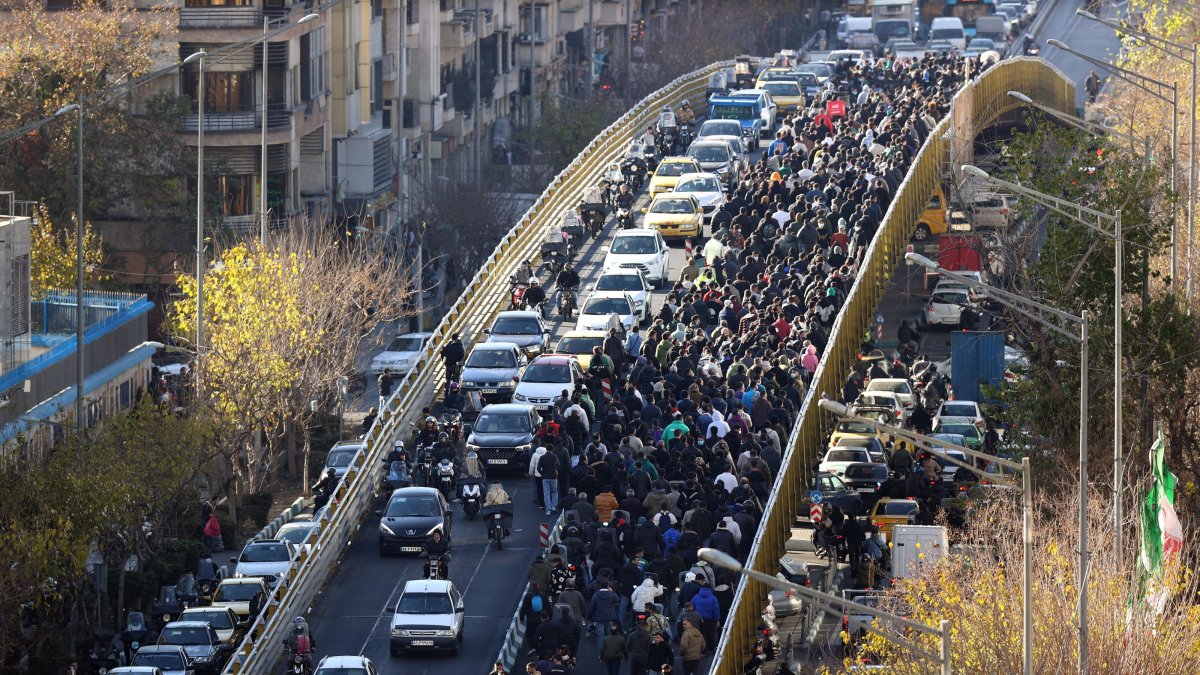
Recently, shopkeepers and mobile phone vendors in a major Iranian shopping center staged a brief protest by temporarily closing thier businesses. This action underscored their frustration with the volatile exchange rate and the resulting damage to the mobile phone market – a key indicator of consumer purchasing power.
The government’s response has been swift and forceful. The Chief Justice, Gholamhossein Mohseni Ejei, has demanded the “swift punishment of those responsible for currency fluctuations,” signaling a crackdown on perceived economic sabotage.
Leadership Shake-up at the Central Bank
Adding to the sense of urgency, President Masoud Pezeshkian announced the replacement of the Central bank governor. abdolnasser Hemmati, a former economy and finance minister previously dismissed by parliament in March due to the rial’s decline, has been reappointed to the position. This move suggests a desire for experienced leadership during this turbulent period, but also highlights the political complexities surrounding economic policy.
Budgetary challenges & inflationary Pressures
President Pezeshkian recently presented the budget for the upcoming Persian year to parliament, promising a concerted effort to combat inflation and the escalating cost of living. However, the proposed 20% wage increase falls substantially short of the current inflation rate, which officially stood at 52% year-on-year in december.
You’ll find that real-world price increases, especially for essential goods, are considerably higher than official statistics suggest. This discrepancy fuels public frustration and erodes confidence in the government’s economic management.
A Complex Web of Factors
Several factors are contributing to Iran’s economic woes:
* western Sanctions: Decades of Western sanctions have severely hampered Iran’s economy, limiting access to international markets and investment.
* Reinstated UN Sanctions: the recent reinstatement of international sanctions linked to Iran’s nuclear program in September has further strained the economy.
* Geopolitical Tensions: Accusations from Western powers and Israel regarding Iran’s nuclear ambitions, which Tehran denies, continue to fuel geopolitical tensions.
* Stalled Negotiations: Negotiations with the United States regarding the nuclear program remain at a standstill, creating ongoing uncertainty.
* Regional Conflict: The recent 12-day conflict in June adds another layer of instability, impacting the economic outlook.
Accusations and a “Total War” Narrative
President Pezeshkian has publicly accused the United States, Israel, and European nations of waging a “total war” against Iran. This rhetoric underscores the government’s perception of external pressures contributing to the economic crisis.
What Dose This Mean for You?
If you are following the situation in Iran, it’s important to understand that the economic challenges are deeply intertwined with political and geopolitical factors.The coming months will be critical in determining whether the government can stabilize the currency, control inflation, and address the growing economic hardship faced by the Iranian people. The reappointment of hemmati to the Central Bank is a key progress to watch, as his actions will likely shape the direction of economic policy.
This situation is dynamic and requires ongoing monitoring. The interplay between sanctions, negotiations, regional conflicts, and domestic policies will ultimately determine Iran’s economic future.
![Coach Outlet Sale: Bags & Jewelry Under $100 | [Month, Year]](https://i0.wp.com/akns-images.eonline.com/eol_images/Entire_Site/20251229/edf8813d-8e36-410a-b31c-82d62b15e065_1767030026.jpg?resize=150%2C150&ssl=1 "Coach Outlet Sale: Bags & Jewelry Under $100 | [Month, Year]")