
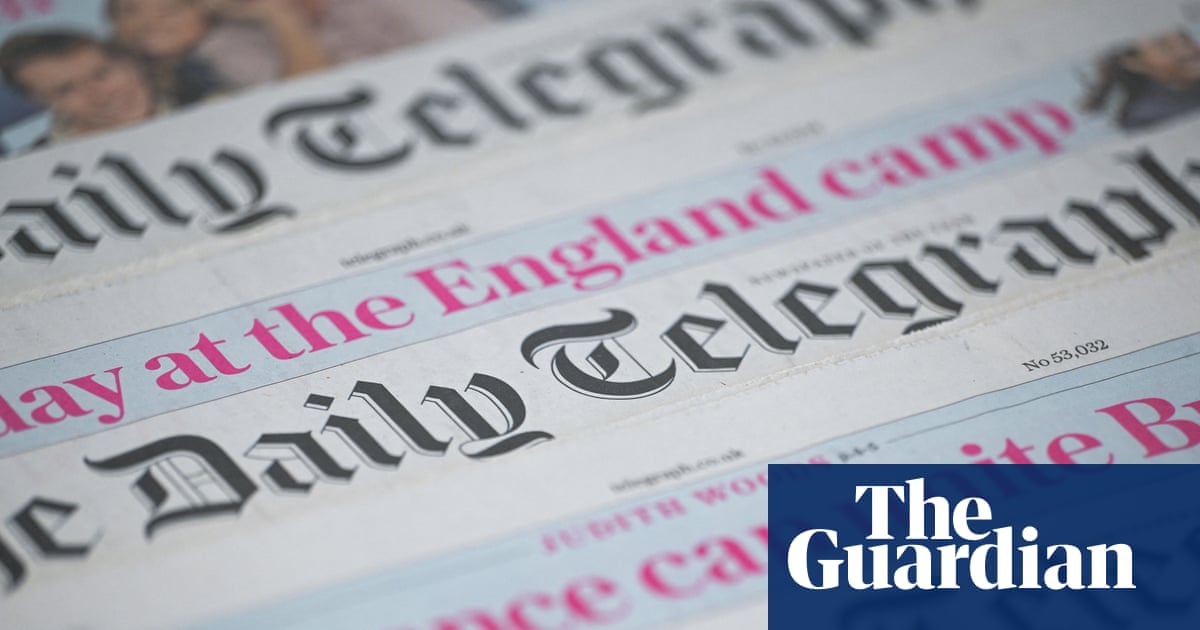
Daily Mail to Acquire The Telegraph: A new Era for UK Journalism
A significant shift is underway in the UK media landscape. Daily Mail & General Trust (DMGT),the owner of the Daily Mail,has secured an exclusive agreement to purchase The Telegraph titles for £500 million.This deal promises to consolidate right-leaning media power, but also faces potential scrutiny. Let’s break down what this means for you, the industry, and the future of news.
From Uncertainty to deal: A Timeline
The sale of The Telegraph has been a protracted affair, spanning over two years.It began with Barclays seeking a buyer for its ownership stake. Here’s how the recent developments unfolded:
* November 14th, 2025: RedBird Capital initially withdrew its £500 million bid for the titles.
* November 22nd, 2025: DMGT entered exclusivity with RedBird IMI to finalize the acquisition.
* Looking Ahead: The deal is expected to move quickly, but a thorough inquiry by the UK competition regulator is anticipated.
This acquisition marks a turning point after a period of considerable uncertainty for Telegraph staff. DMGT aims to provide stability and investment in the titles’ future.
Why This Matters: The Rise of a Media Powerhouse
Lord Rothermere, of DMGT, has long expressed interest in acquiring The Telegraph. He views the titles as a cornerstone of British journalism. His statement reflects this sentiment: “I have long admired the Daily Telegraph… It has a remarkable history and has played a vital role in shaping Britain’s national debate.”
The combination of the Daily Mail, Metro, The I, New Scientist, and now The Telegraph creates a formidable publishing group.This consolidation will likely reshape the competitive dynamics of the UK news market.
Understanding the Players Involved
Several key entities are central to this deal:
* DMGT (Daily Mail & General trust): The current owner of the Daily Mail and a diverse portfolio of media brands.
* RedBird IMI: The seller, having been compelled to find a buyer after initial ownership concerns.
* RedBird Capital: The US investment firm that initially pursued the acquisition but later withdrew.
* Sheikh Mansour bin Zayed al-Nahyan: The owner of Manchester City FC and controlling figure behind IMI, a key component of the sale process.His involvement initially raised concerns regarding foreign ownership of UK newspapers, prompting the rule changes that led to RedBird Capital’s involvement.
What to Expect: Editorial Independence and Global Ambitions
Despite the acquisition, DMGT has stated that the editorial teams of the Mail and Telegraph will remain separate. This is crucial for maintaining distinct journalistic voices.
Furthermore,DMGT plans to invest in The Telegraph’s ambition to become a global brand. This suggests a focus on expanding its digital reach and international presence.
Regulatory Hurdles and Potential Competition Concerns
The £500 million deal isn’t a done deal yet. It’s highly likely to face an in-depth investigation by the UK’s competition regulator. The primary concern will be the potential impact on media plurality and competition.
You can anticipate scrutiny regarding:
* Market Dominance: The combined reach of the Mail and Telegraph could create an overly dominant force in the UK news market.
* Editorial Diversity: Regulators will assess whether the acquisition could lead to a narrowing of perspectives and a lack of diverse voices.
* Advertising Control: DMGT already manages the advertising contracts for The Telegraph,raising questions about potential anti-competitive practices.
The Bigger picture: The Future of UK Journalism
This acquisition is a symptom of broader trends reshaping the media industry. These include:
* Digital Transformation: Newspapers are increasingly reliant on digital subscriptions and online advertising.
* Consolidation: Media companies are merging to achieve economies of scale and compete more effectively.
* Political Polarization: The rise of partisan media outlets is influencing public discourse.
Ultimately, the DMGT-Telegraph deal represents a significant moment for UK journalism. Its long-term impact will depend on how DMGT navigates the regulatory challenges and executes its vision for the future of these iconic titles.





