Tenerife Tragedy: Four Lives Lost to Powerful waves – A Safety Guide for Canary Island Visitors
A tragic incident unfolded in Tenerife this weekend,claiming the lives of four individuals after a large wave swept them out to sea. The incident underscores the potent dangers of the Atlantic Ocean and highlights the importance of heeding local safety warnings when visiting the Canary Islands. This article provides a detailed account of the event,crucial safety data,and resources to help you enjoy your trip to Tenerife and the wider archipelago responsibly.
What Happened in Tenerife?
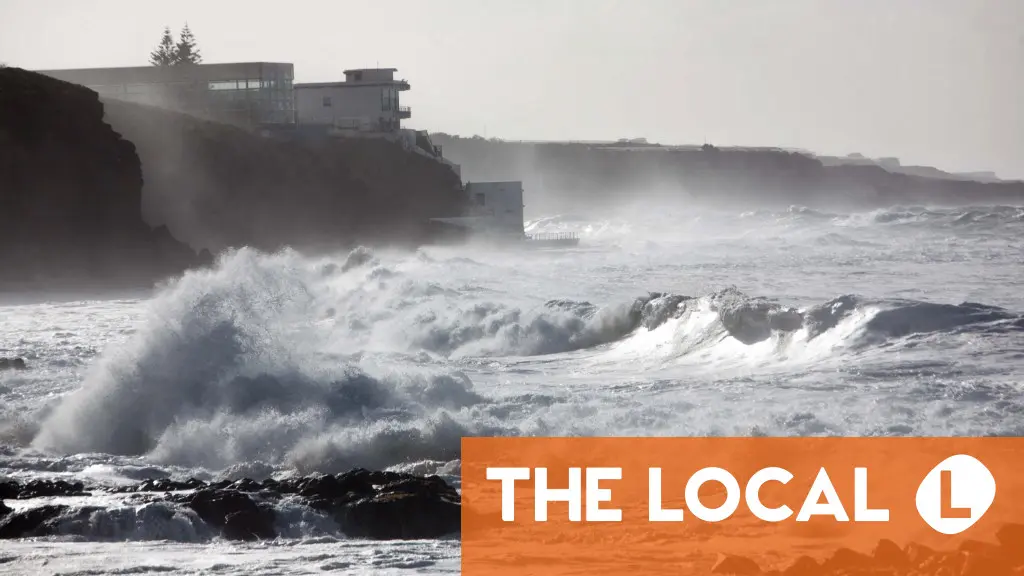
On Sunday, two men and a woman tragically died after being caught by a powerful swell along a section of Tenerife’s coastline that was officially closed to the public.Emergency services worked tirelessly to resuscitate a fourth victim who suffered a cardiac arrest. Sadly, despite initial success, the woman passed away in a Santa Cruz de Tenerife hospital on Monday.
Currently, one person remains hospitalized, and authorities are continuing the search for another missing individual. the nationalities of those affected have not yet been released.
Understanding the Perilous Conditions
The Canary Islands regional government had issued warnings about rough seas prior to the incident, anticipating waves reaching heights of two to 3.5 meters (approximately seven to 11 feet). These conditions were particularly hazardous due to a strong swell impacting the archipelago,located off the coast of northwest Africa.
many visitors were in the Canaries enjoying a public holiday in Spain, making the tragedy even more poignant. This serves as a stark reminder that even popular tourist destinations can present unforeseen risks.
Staying Safe on the canary Islands: A Visitor’s Guide
The Canary Islands are renowned for their stunning coastlines,but the Atlantic Ocean demands respect. Here’s how you can prioritize your safety during your visit:
* Heed Local Warnings: Always pay close attention to flags and signage on beaches.red flags indicate dangerous conditions and prohibit swimming. Yellow flags signal moderate hazards, requiring caution.
* check the Forecast: Before heading to the beach, consult reliable weather and wave forecasts. Websites like AEMET (Spain’s national weather service) provide detailed information.
* Swim at Guarded Beaches: Opt for beaches with lifeguards present. They are trained to identify and respond to dangerous situations.
* Be Aware of Rip currents: Rip currents are powerful, narrow channels of water flowing away from the shore. If caught in one, do not swim against the current. Instead, swim parallel to the shore untill you escape the pull, then swim towards land.
* Respect Closed Areas: Never enter areas that are closed to the public. These closures are in place for your safety.
* Consider Your Skill Level: Be honest about your swimming abilities. Don’t attempt to swim in conditions beyond your capabilities.
* Travel in Groups: Whenever possible, visit beaches with friends or family. This provides an extra layer of safety.
Recent Developments in Canary Islands Tourism & Property
This tragic event occurs amidst ongoing discussions surrounding tourism and property ownership in the Canary Islands.
* Holiday Let Crackdown: Spain’s tourism minister has recently faced death threats amid a crackdown on illegal holiday rentals. This aims to address concerns about housing affordability for locals.
* Foreign homebuyer Limits: The Spanish government is also considering limits on foreign homebuyers in the Canaries, responding to rising property prices and potential displacement of residents.
These developments highlight the complex interplay between tourism, local communities, and lasting progress in the region.
Evergreen Insights: The Power of the Atlantic
The Atlantic Ocean is a force of nature, capable of both breathtaking beauty and immense power. the Canary Islands, while offering a subtropical paradise, are inherently exposed to the ocean’s dynamic conditions. Understanding this inherent risk is crucial for any visitor.
The islands’ volcanic origins and unique geographical location contribute to the often-unpredictable nature of the waves and currents. Respecting the ocean’s power is not just about safety; it’s about appreciating the raw, untamed beauty of this remarkable archipelago.
Frequently Asked Questions (FAQ)
Q: What does a red flag on a Canary Islands beach mean?
A: A red flag signifies that swimming is prohibited due to dangerous conditions, such as strong currents or high waves.
Q: where can I find reliable weather and wave forecasts for the Canary Islands?
A: A
Related reading