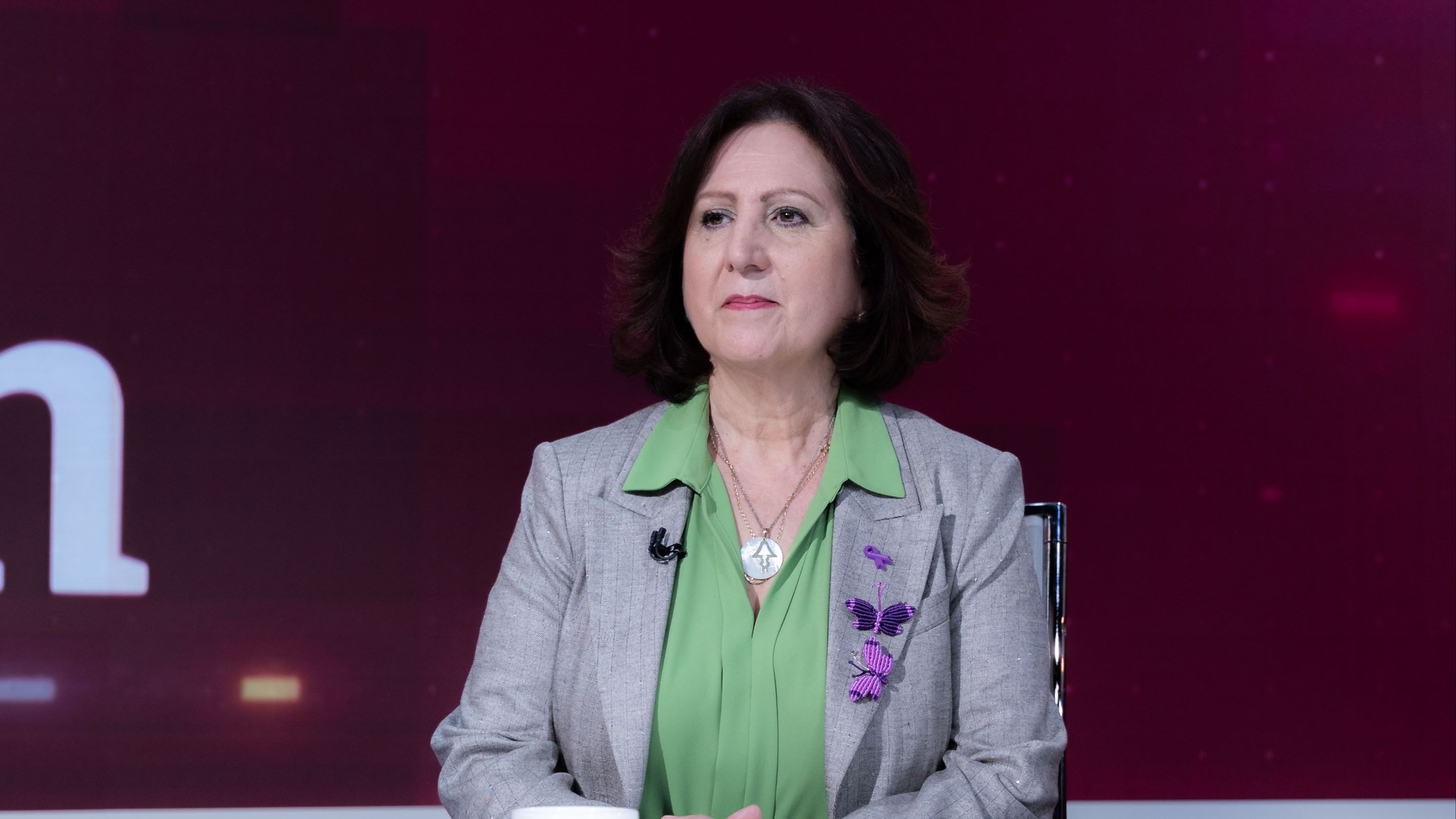
Spain’s Top Prosecutor Defends Appeal of Former Colleague’s Conviction
Madrid – Spain’s current Attorney General, Teresa Peramato, has defended the decision to appeal the conviction of her predecessor, Álvaro García Ortiz, to the Constitutional Court. The move, announced in a recent interview, underscores a willingness to challenge judicial rulings even at the highest levels, a practice Peramato asserts is integral to the functioning of the Spanish legal system. The appeal follows a Supreme Court ruling in February 2026 that upheld a conviction against García Ortiz for revealing state secrets, a case that has deeply divided the Spanish legal establishment.
Peramato’s decision to pursue the appeal, despite respecting the Supreme Court’s judgment, highlights the complex dynamics within the Spanish Fiscalía General del Estado (Attorney General’s Office). The case centers around the alleged leaking of confidential information related to Alberto González Amador, the partner of Isabel Díaz Ayuso, the President of the Community of Madrid. García Ortiz was initially convicted and subsequently received a two-year ineligibility for public office and a fine of €7,200. The current Attorney General maintains that the initial investigation did not establish a criminal offense, a position the Fiscalía continues to uphold despite the Supreme Court’s ruling. This stance has drawn scrutiny, particularly given Peramato’s recent appointment and the subsequent staffing decisions within the Fiscalía.
The appeal to the Constitutional Court is not unprecedented, according to Peramato, who emphasized that disagreements with Supreme Court rulings are a normal part of the judicial process. “It is not the first time that we will face resolutions from the Supreme Court… where the vote is not majority and You’ll see dissenting opinions, and that does not call into question the exercise of judicial functions,” she stated. However, the decision has been interpreted by some as a signal of support for García Ortiz and a potential attempt to rehabilitate his reputation within the legal community. The timing of the appeal, coupled with recent appointments within the Fiscalía favoring allies of the former Attorney General, has fueled these perceptions.
A History of Tension and Internal Alignment
Teresa Peramato assumed the role of Attorney General in December 2025, inheriting a Fiscalía General del Estado marked by internal divisions stemming from the case against Álvaro García Ortiz. Her appointment followed García Ortiz’s resignation after his conviction, and she immediately faced the challenge of “healing wounds” within the institution, as she previously stated. The recent staffing decisions, however, appear to have deepened existing fault lines. Peramato has promoted key members of García Ortiz’s former team, including Ana García León, now head of the Criminal Section of the Supreme Court Prosecutor’s Office, and Diego Villafañe, appointed as a prosecutor at the Supreme Court. These promotions have been criticized by those who opposed García Ortiz’s leadership, including prosecutors involved in the ‘procés’ investigations – the Catalan independence movement – Consuelo Madrigal and Jaime Moreno, as well as Almudena Lastra, the former head of the Madrid Superior Prosecutor’s Office.
Peramato has described her relationship with García Ortiz as positive, noting that he has offered his support since her appointment. She characterized him as a “very institutional and deeply committed prosecutor,” suggesting a continued respect despite the legal challenges he faces. The Attorney General also emphasized a sense of “normality” returning to the Fiscalía, with improved coordination between territorial and central offices. However, she acknowledged the difficulties of the preceding period, stating that it was “a very hard stage, with many difficulties, a very tense stage.”
Navigating Independence and Executive Influence
The independence of the Fiscalía has been a recurring point of debate, particularly following comments made by Spanish Prime Minister Pedro Sánchez in 2019. Sánchez suggested that the Fiscalía’s actions were dependent on the government, a statement that raised concerns about potential political interference. Peramato addressed these concerns, reaffirming that while the Attorney General is appointed by the King on the proposal of the government, the office operates with complete autonomy during its mandate. She stated that any communication between the executive branch and the Fiscalía must be conducted with “publicity and transparency,” as stipulated by the Organic Statute of the Public Prosecutor’s Office. Peramato asserted that Spain has a “greater level of independence” for its public prosecution service than many other countries.
Peramato’s Extensive Legal Career
Teresa Peramato brings a wealth of experience to the role of Attorney General, having dedicated her career to public prosecution since 1990. Her career began with postings in Tenerife, Valladolid, and Barcelona before moving to Madrid in 2005, where she was appointed as a prosecutor specializing in violence against women. In 2007, she contributed to the first annual report of the State Observatory on Violence against Women. In 2018, she became a prosecutor before the Constitutional Court, and in May 2021, she was named prosecutor of the Hall against Violence against Women, a position she held until January 2025. Prior to her appointment as Attorney General, Peramato served as the head prosecutor of the Supreme Court Prosecutor’s Office and as the Delegate Prosecutor for the Protection and Tutelage of Victims in criminal proceedings, beginning in January 2025 and March 2025 respectively. The Official State Gazette (BOE) published the cessation of García Ortiz as Attorney General on December 10, 2025, following his resignation.
Key Takeaways
- Teresa Peramato is defending the decision to appeal the conviction of her predecessor, Álvaro García Ortiz, to the Constitutional Court.
- The appeal centers on a conviction for revealing state secrets related to a case involving the partner of a regional president.
- Peramato maintains that the Fiscalía’s position throughout the process has been that the alleged actions did not constitute a crime.
- Recent staffing decisions within the Fiscalía have favored allies of García Ortiz, sparking criticism from those who opposed his leadership.
- Peramato emphasizes the independence of the Fiscalía from the executive branch, despite past comments suggesting otherwise.
The appeal to the Constitutional Court represents the latest chapter in a complex legal and political saga. The court’s decision will have significant implications for both García Ortiz’s future and the broader landscape of the Spanish Fiscalía General del Estado. The next step in the process will be the Constitutional Court’s consideration of the appeal, with a decision expected in the coming months. Readers interested in following this case can identify updates on the website of the Constitutional Court of Spain.
What are your thoughts on the Attorney General’s decision? Share your comments below and join the discussion.
Related reading