The Surprisingly Refined Gardening Habits of Termites
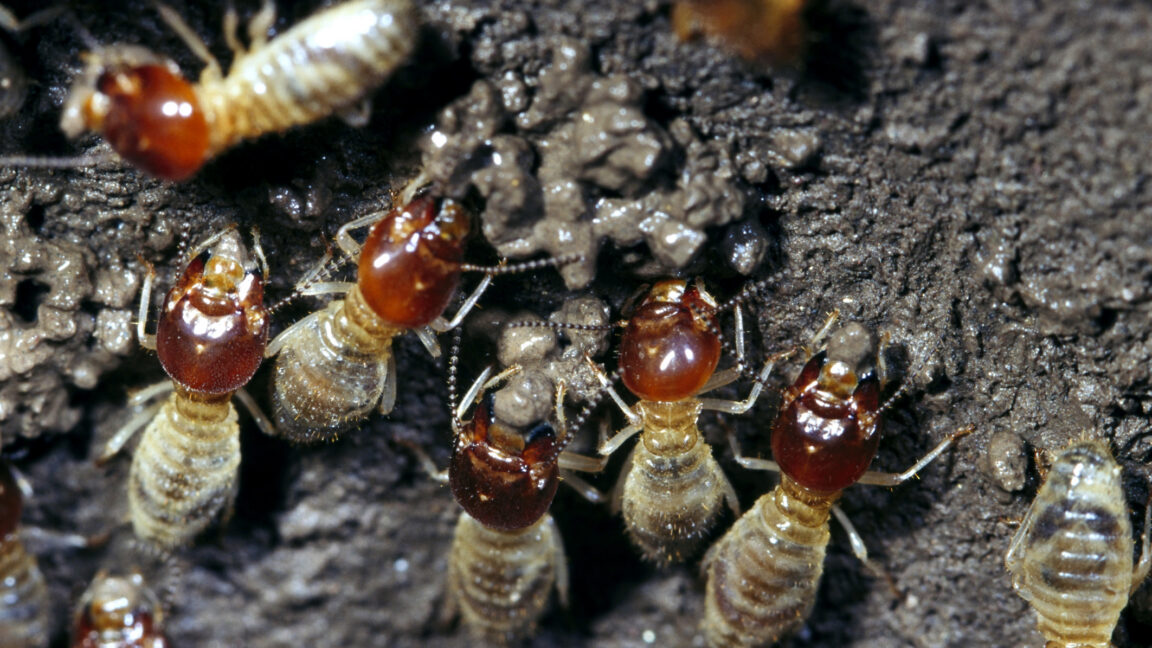
Have you ever considered the intricate lives unfolding beneath your feet? Beyond the visible world, termites are practicing a form of agriculture as complex - and surprisingly adaptable – as our own. Forget the image of simple pests; Odontotermes obesus termites are master gardeners, cultivating fungi in elaborate underground farms. But like any farmer, they face challenges, and their solutions reveal a level of intelligence that’s reshaping our understanding of these tiny creatures.
The Termite-Fungus Partnership: A Symbiotic Garden
Odontotermes obesus relies on a fascinating symbiotic relationship with termitomyces fungi. These termites don’t just passively coexist with the fungi; they actively grow it.
Here’s how it works:
* Resource Collection: Worker termites diligently gather dead leaves, wood, and grass.
* Combs Creation: They meticulously arrange these materials into underground structures called combs - essentially, fungus gardens.
* Fungal Breakdown: The termitomyces fungi then break down the tough plant fibers, converting them into a digestible food source for the entire colony.
This isn’t just survival; it’s sophisticated agriculture. But even the best farmers face weeds.
Beyond Instinct: Termites’ adaptive weed Control
For years, scientists assumed termites responded to weed infestations with a fixed, pre-programmed behavior. The expectation was a consistent, automatic reaction. Though, recent research led by professor Rhitoban Raychoudhury at the Indian Institute of Science Education has revealed something far more nuanced. Termites don’t just react to weeds; they manage them, demonstrating surprisingly human-like gardening practices.
“There have been numerous studies suggesting the termites must have some kind of fixed response…but that was not the case,” explains Raychoudhury.His team’s groundbreaking study, published in Science, demonstrates a level of adaptability previously unseen in termite behavior.
Navigating the Darkness: How Termites “See” Their Gardens
Considering termites spend their lives in the dark,navigating the endless tunnels of their mounds,their gardening prowess seems even more remarkable. They are effectively blind, but they compensate with highly developed senses.
* Olfactory Reception: Termites possess an advanced sense of smell, allowing them to detect subtle changes in their habitat.
* Tactile Sensing: They rely heavily on touch to assess the condition of their gardens.
These senses allow them to identify weed infestations – specifically, a filamentous fungus called Pseudoxylaria – even without sight.
The Experiment: Challenging the termites
Raychoudhury’s team designed a clever experiment to understand how termites respond to these weeds. They created artificial termite gardens in Petri dishes, using sterilized soil sourced directly from termite mounds. Each dish contained two fungus combs:
- Control Comb: A healthy, uninfected Termitomyces comb, providing a food source for the termites.
- Infected comb: A comb intentionally contaminated with Pseudoxylaria weed.
By observing how the termites interacted with these combs, the researchers coudl decipher their weed control strategies.
What Did They Discover? The Art of Termite Gardening
The results were amazing. Termites didn’t simply remove the infected comb. rather, they exhibited a range of behaviors, demonstrating a flexible and adaptive approach to weed management. While the specifics of their strategies are still being investigated, the research clearly shows that termite gardening is far from automatic.
This revelation challenges long-held assumptions about insect intelligence and highlights the complexity of even the smallest ecosystems. It also opens up exciting new avenues for research into the evolution of agriculture and the cognitive abilities of social insects.
Want to learn more about the fascinating world of termites and their symbiotic relationships? Check out these resources:
* National Geographic – Termites: https://www.nationalgeographic.com/animals/invertebrates/facts/termites
* Smithsonian Magazine – The Secret Social Life of Termites: [https://www.smithsonianmag.com/science-nature/the-secret-social-life-of-termites-180976659/](https://www.smithsonianmag.com/science-nature/the-secret-social-life-of
Keep reading