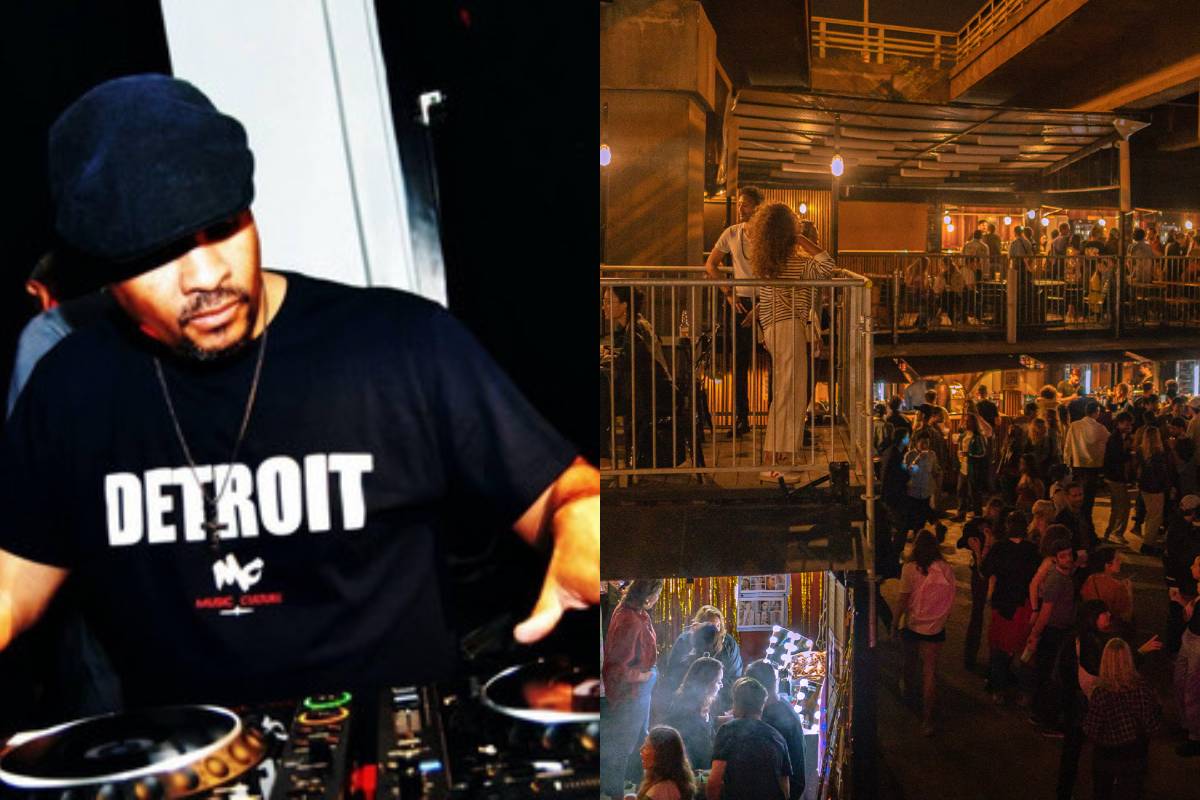
In the evolving landscape of electronic dance music, few figures command the respect of their peers with the quiet, persistent authority of Terrence Parker. A veteran of the Detroit house music scene, Parker has spent decades refining a signature sound that bridges the gap between traditional gospel influences and the rhythmic drive of the Motor City’s electronic heritage. While mainstream music publications often focus on the rapid turnover of viral trends, Parker’s career represents a different model of longevity—one built on consistent performance and a deep, foundational connection to the roots of dance music.
For those familiar with the history of house, Terrence Parker—often recognized for his unique performance style, including his use of a telephone handset as a headphone—remains a pivotal link to the genre’s formative years. His work as a producer, DJ, and label head has helped shape the sonic identity of Detroit, a city globally recognized as the birthplace of techno and a major hub for house music innovation. According to official artist profiles on Resident Advisor, Parker’s journey began in the 1980s, a period marked by the rapid proliferation of synthesizers and drum machines that defined the era’s sound.
The Foundations of the Detroit Sound
Detroit’s contribution to global dance music culture is well-documented, often centered on the technological experimentation that defined the mid-1980s. Terrence Parker emerged from this environment, blending the soulful, uplifting elements of gospel music with the driving, repetitive beats of house. This “Gospel House” style became his trademark, setting him apart in a competitive landscape where many artists pursued more industrial or minimalist aesthetics.
The cultural significance of the Detroit scene is frequently cited by academic and musical institutions. For instance, the Detroit Historical Society notes that the city’s musical output during this period was a direct response to the socio-economic shifts occurring in the region, providing a creative outlet that eventually influenced dance floors worldwide. For Parker, the music was never just about technical proficiency. it was about conveying an emotional experience—a philosophy that has remained constant throughout his career.
Longevity in a Rapidly Evolving Industry
Maintaining a career in the music industry for over four decades is a rarity, particularly in electronic music. Parker’s longevity can be attributed to his ability to adapt while staying true to his core influences. Unlike artists who chase the latest production techniques, Parker has focused on the enduring quality of his compositions. His discography, which spans numerous EPs and albums, serves as a testament to this approach.
In recent years, the industry has seen a renewed interest in the origins of house and techno, leading to a greater appreciation for “legacy” artists. Parker continues to tour internationally, bringing his unique blend of Detroit-infused house to audiences across Europe, Asia, and the Americas. His commitment to the craft is evidenced by his ongoing presence on major festival circuits and club lineups, where he remains a sought-after performer for those seeking an authentic connection to the roots of the genre.
Key Aspects of the Detroit House Legacy
- Soulful Influences: The integration of gospel and soul vocal samples into house beats, a hallmark of Parker’s production.
- Technical Innovation: The early adoption of drum machines like the Roland TR-808 and TR-909, which became the industry standard for dance music globally.
- Performance Art: The iconic use of the telephone handset, which has become a visual shorthand for his live sets.
- Global Reach: The transition of Detroit-born sounds from local basement parties to international prominence.
Looking Ahead: The Continued Influence of House Music
As of May 2026, Terrence Parker continues to be an active participant in the electronic music community. His work remains a primary reference point for younger producers looking to understand the mechanics of soulful house music. While the industry faces ongoing challenges—including the rapid integration of artificial intelligence in production and shifting models of music distribution—artists like Parker provide a stabilizing influence, emphasizing the importance of human touch and emotional depth in music creation.
For those interested in the ongoing evolution of the genre, updates regarding Parker’s tour dates and new releases can typically be found via his official social media channels and major electronic music platforms. As the scene continues to grow and diversify, the legacy of Detroit’s pioneers remains as relevant as ever, reminding listeners that the most enduring music is that which speaks to the human spirit.
What are your thoughts on the evolution of the Detroit house sound? Share your experiences in the comments section below, and stay tuned to World Today Journal for our upcoming features on the pioneers of modern electronic music.