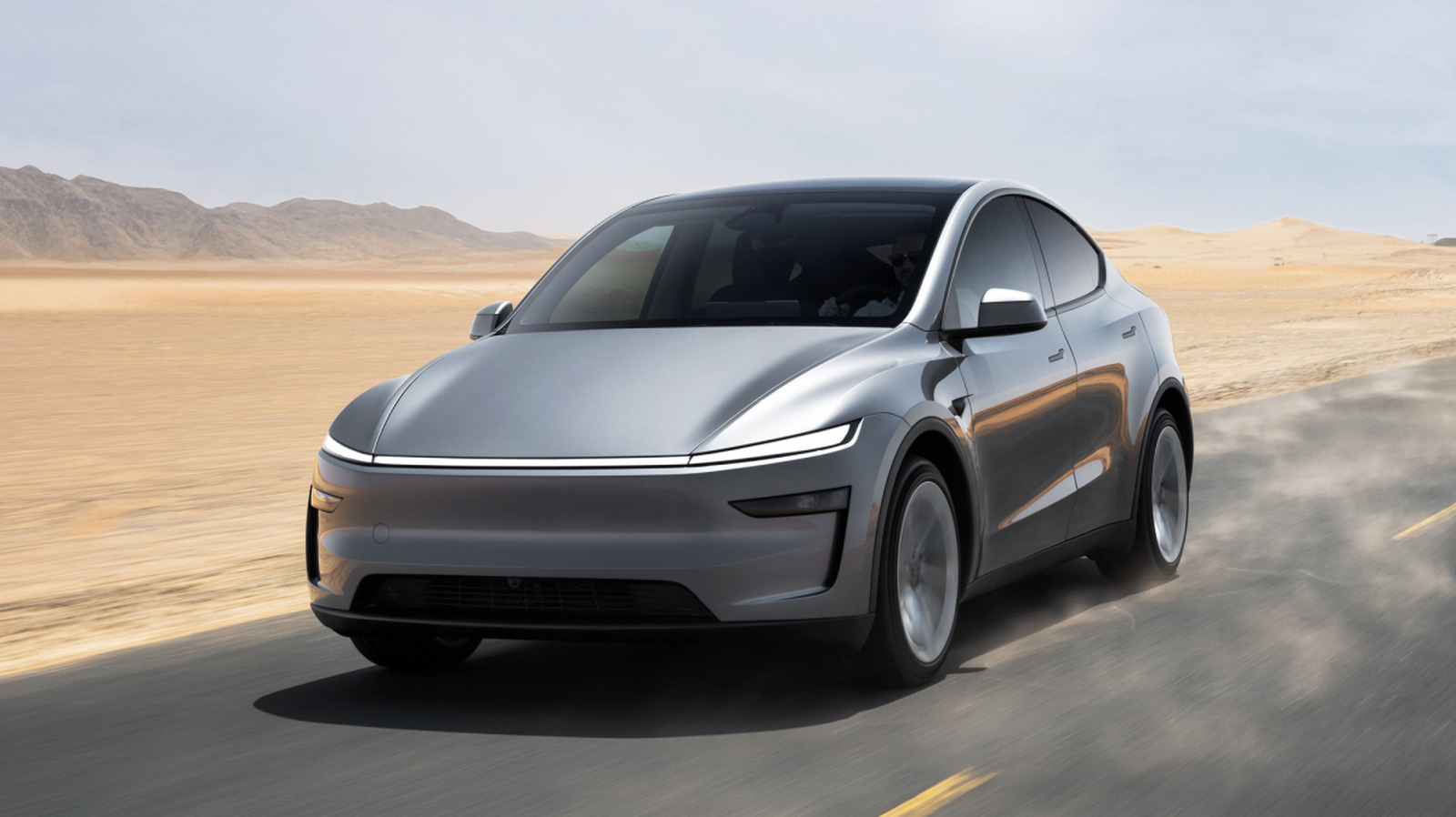
The Uncertain Road Ahead: Navigating the risks of Tesla’s ‘Full Self-Driving’ and Beyond
The promise of autonomous vehicles has captivated the automotive world, yet recent events are raising serious questions about their readiness for widespread adoption. While technological advancements are undeniable,a growing number of incidents suggest we’re not quite at the point of truly “hands-off” driving. You might be wondering if these vehicles are as safe as manufacturers claim. Let’s delve into the current state of autonomous driving and the challenges that lie ahead.
Understanding the Levels of Autonomy
There’s a common misconception about what “self-driving” actually means. Currently,six levels define autonomous driving capabilities,ranging from 0 to 5.
* Level 0: Features like lane departure warning and automatic emergency braking offer assistance, but require full driver attention.
* Level 1: Driver assistance features like adaptive cruise control are present, but the driver maintains control.
* Level 2: The vehicle can control steering and acceleration in certain situations,but the driver must remain engaged and ready to intervene.
* Level 3: This is where Tesla’s “full Self-Driving” currently falls. It allows for conditional automation, meaning the driver can cede control under specific circumstances, but must be prepared to take over promptly.
* Level 4: High automation, capable of handling all driving tasks in specific environments.
* level 5: full automation, requiring no human intervention under any circumstances.
Currently, no consumer vehicle has achieved Level 4 or 5 autonomy.
Real-World Concerns Emerge
Despite the hype, the reality of autonomous driving is proving more complex.You’ve likely seen reports of issues cropping up with these systems. While companies like Waymo are testing robotaxis in cities like San Francisco, incidents are raising red flags.
Consider these recent events:
* Zoox Recall: In may 2024, zoox recalled its autonomous robotaxis after a collision with another vehicle in Las Vegas.
* Driverless Dilemmas: Police in California have encountered autonomous vehicles committing traffic violations – with no one behind the wheel to issue a citation.
* Near Misses: Reports are surfacing of Tesla drivers claiming their vehicles, operating on “Full Self-Driving,” attempted to drive onto active train tracks.
These incidents highlight a critical question: when things go wrong,who is responsible?
The Accountability gap
The lack of a clear legal framework for autonomous vehicle accidents presents a meaningful challenge. If a self-driving car causes an accident, is it the manufacturer, the software developer, or the owner of the vehicle who is liable? This ambiguity creates a complex legal landscape and raises concerns about consumer protection. You deserve clarity and accountability when it comes to your safety.
The Path Forward: A Cautious Approach
Autonomous and self-driving technology holds immense potential to revolutionize transportation. However, it’s crucial to proceed with caution.
Here’s what needs to happen:
* Rigorous Testing: Extensive real-world testing is essential to identify and address potential safety issues.
* clear Regulations: Governments must establish clear regulations and liability frameworks for autonomous vehicles.
* Enhanced Safety Features: Redundant safety systems and fail-safe mechanisms are vital to prevent accidents.
* Driver Education: Even with advanced systems, drivers need to understand the limitations of autonomous technology and remain vigilant.
the road to full autonomy is paved with challenges. While the technology continues to evolve,it’s essential to prioritize safety and accountability. You should remain informed and exercise caution when considering vehicles with autonomous features. The future of driving depends on a responsible and thoughtful approach.