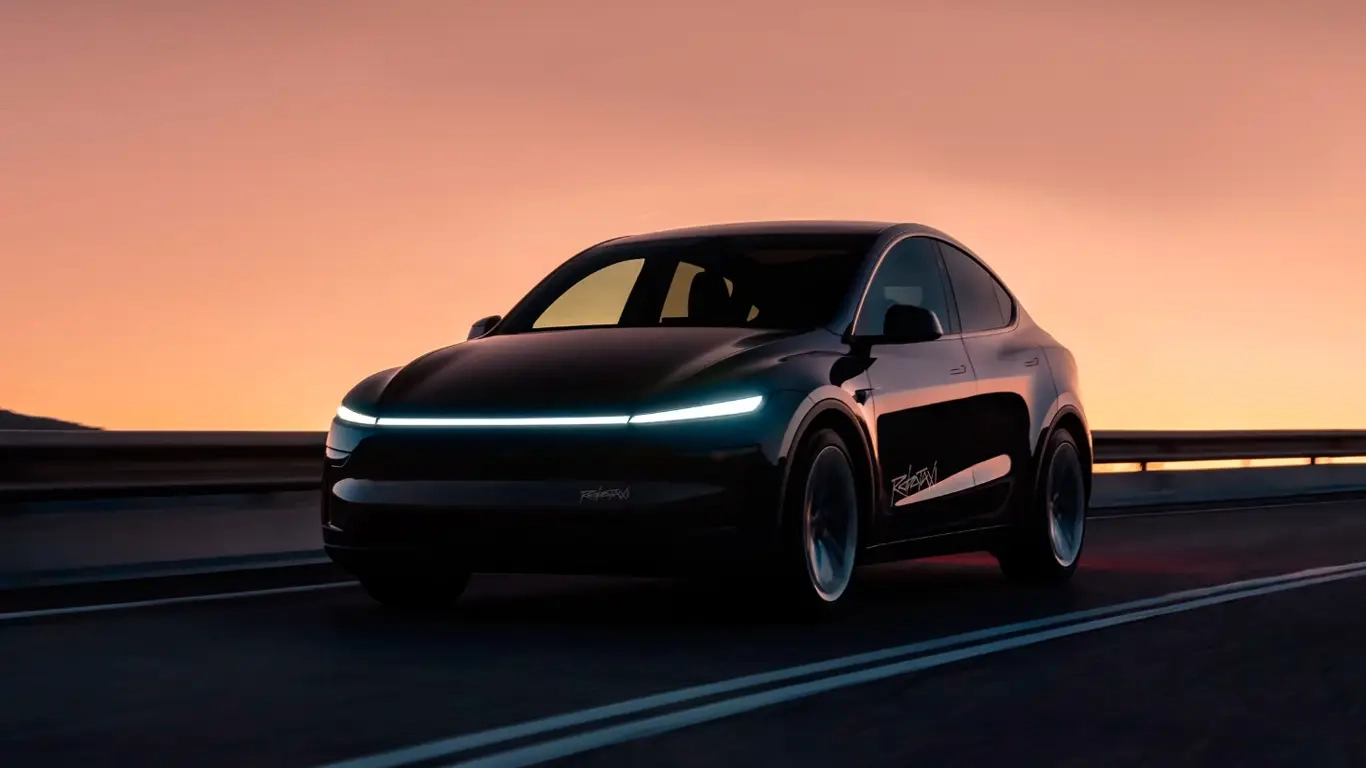
Tesla’s Robotaxi Service Expands, Targeting Las Vegas as Next Launch City
The rollout of Tesla’s fully autonomous Robotaxi service is gaining momentum, with Las Vegas emerging as the next likely location for its expansion. Following initial deployments in Austin, Texas, and the San Francisco Bay Area, California, Tesla appears to be preparing to bring its driverless ride-hailing service to Nevada. This expansion signals a significant step forward in the development and commercialization of autonomous vehicle technology, though the service is not directly operated by Tesla, but rather through a separate application.
The move comes as Tesla continues to refine its Full Self-Driving (FSD) software and navigate the complex regulatory landscape surrounding autonomous vehicles. While the company has faced scrutiny over the safety and capabilities of its FSD system, the Robotaxi service represents a key component of Tesla’s long-term vision for transportation. The potential for a fully autonomous fleet to disrupt the ride-hailing industry and reshape urban mobility is substantial, and Tesla is positioning itself to be a major player in this evolving market. The company’s ambitions extend beyond Las Vegas, with plans to potentially launch the service in cities like Phoenix, Dallas, Houston, Miami, and other major metropolitan areas.
Preparations Underway in Las Vegas and Henderson
Recent sightings of Tesla Model Y vehicles equipped with the necessary hardware for autonomous operation in Henderson, Nevada, a city near Las Vegas, have fueled speculation about the impending launch. These vehicles are distinguishable by their rear camera washer systems, a feature specifically utilized for the Robotaxi service. Reports indicate that a fleet of these vehicles has been observed in the area, suggesting that Tesla is actively preparing for the service’s launch. The presence of these vehicles in Henderson, a suburb of Las Vegas, suggests a phased rollout strategy, potentially starting with areas adjacent to the main tourist destination.
The choice of Las Vegas as a launch location is strategic. The city boasts a high demand for ride-hailing services, driven by its thriving tourism industry and limited public transportation options. This creates a potentially lucrative market for Tesla’s Robotaxi service. However, Tesla will face competition from established players in the autonomous vehicle space, most notably Waymo, which already operates a limited Robotaxi service in Las Vegas. Tesla began a limited Robotaxi service in Las Vegas in early March 2026.
The Robotaxi Ecosystem and Technological Underpinnings
Tesla’s Robotaxi service relies heavily on the company’s Full Self-Driving (FSD) software, which utilizes a combination of cameras, radar, and ultrasonic sensors to perceive the vehicle’s surroundings and navigate roads autonomously. The system is constantly evolving through over-the-air software updates, incorporating data collected from Tesla’s fleet of vehicles on the road. The rear camera washer system is crucial for maintaining clear visibility for the cameras, particularly in challenging weather conditions, ensuring the reliability of the autonomous system.
However, it’s important to note that the Robotaxi service is not a Tesla application. Users access the service through a separate app, indicating a potential shift in Tesla’s business model towards a more platform-based approach. This separation could allow Tesla to manage the complexities of a ride-hailing service, including insurance, liability, and regulatory compliance, more effectively. The details of this app and its functionality remain somewhat limited, but it is expected to offer a seamless experience for users seeking autonomous transportation.
Competition and the Future of Autonomous Ride-Hailing
The autonomous vehicle landscape is becoming increasingly competitive, with several companies vying for dominance in the ride-hailing market. Waymo, backed by Google’s parent company Alphabet, has been a pioneer in the field, operating Robotaxi services in select cities for several years. Other companies, such as Cruise (owned by General Motors), are similarly actively developing and testing autonomous ride-hailing technology. Teslarati reports that Tesla’s Robotaxi is also heading to a new U.S. City, further expanding its reach.
Tesla’s entry into the market is expected to intensify competition and accelerate the development of autonomous vehicle technology. The company’s brand recognition, extensive charging infrastructure, and large fleet of vehicles offer it a significant advantage. However, challenges remain, including regulatory hurdles, public perception, and the need to ensure the safety and reliability of autonomous systems. The expansion of Robotaxi services underscores the growing interest in autonomous technology and its potential to transform urban transportation. The integration of electric vehicles into these autonomous fleets further reinforces their role in shaping the future of sustainable mobility.
Impact on Urban Transportation and Infrastructure
The widespread adoption of autonomous vehicles, including Robotaxi services, has the potential to significantly impact urban transportation and infrastructure. Reduced traffic congestion, improved safety, and increased accessibility for individuals with disabilities are among the potential benefits. Autonomous vehicles could also lead to a decrease in parking demand, freeing up valuable urban space for other uses. However, the transition to a fully autonomous transportation system will require careful planning and investment in infrastructure, including high-speed connectivity and robust cybersecurity measures.
The economic implications of autonomous vehicles are also significant. The ride-hailing industry could undergo a major transformation, with potential job losses for professional drivers. However, new job opportunities could emerge in areas such as software development, data analysis, and fleet management. The long-term impact on employment will depend on the pace of adoption and the ability of workers to adapt to the changing demands of the labor market.
Key Takeaways
- Tesla is expanding its Robotaxi service to Las Vegas, following launches in Austin and San Francisco.
- The service utilizes Tesla’s Full Self-Driving (FSD) software and a fleet of Model Y vehicles equipped with specialized hardware.
- Competition in the autonomous ride-hailing market is intensifying, with Waymo and other companies also vying for dominance.
- The widespread adoption of autonomous vehicles has the potential to transform urban transportation and infrastructure.
- The Robotaxi service is accessed through a separate application, not a Tesla application.
Looking ahead, Tesla is expected to continue expanding its Robotaxi service to additional cities in the United States and potentially internationally. The company’s progress will be closely watched by industry observers and regulators alike. The next major development to watch for will be the official launch date in Las Vegas and the initial user feedback on the service. Stay tuned to World Today Journal for further updates on this rapidly evolving story.
Do you have thoughts on the future of autonomous vehicles? Share your comments below and let us grasp what you think!
Worth a look
- Australia Dominates Gold Medal Tally with Historic Athletics Success
- Saudi Arabia, Middle East neighbors pressure Iraq to rein in Iranian-backed militias
- Apple Rumored to Launch New Camera-Free AirPods Pro in 2026 (archyde.com)
- Baidu Apollo Go Expands Robotaxi Tests to London and Hong Kong (archynewsy.com)