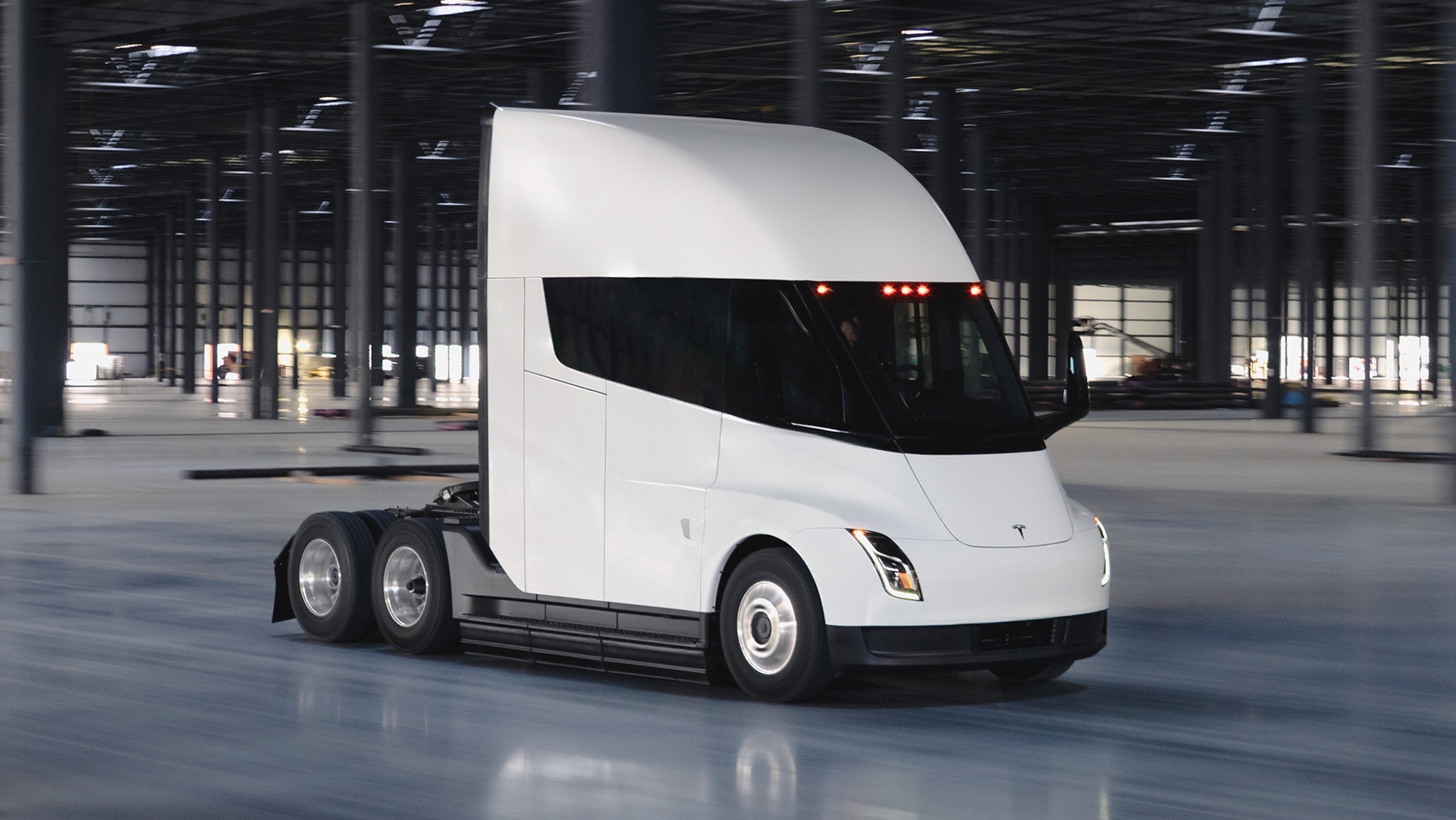
The electric vehicle landscape is poised for a significant shift with Tesla’s long-awaited Semi truck finally entering mass production. While Tesla has faced scrutiny regarding production timelines and the delivery of promised innovations – notably the Roadster – the company is now setting its sights on the European market with its ambitious heavy-duty vehicle. This move comes as the transportation industry increasingly explores sustainable alternatives to traditional diesel-powered trucks, driven by environmental concerns and evolving regulations.
Originally unveiled as a concept vehicle in 2017, the Tesla Semi has been subject to numerous delays. Initial projections for serial production began in 2019, but deliveries didn’t commence until 2022, with early adopters including major logistics companies like FedEx and PepsiCo. Now, according to Tesla CEO Elon Musk, the company is targeting 2027 for sales to commence in Europe, with mass production slated to start in 2026. This ambitious timeline reflects Tesla’s commitment to expanding its reach beyond North America and establishing a foothold in the European commercial vehicle sector.
Tesla Semi: Specifications and Range for the European Market
Tesla plans to offer two primary variants of the Semi for the European market: a Standard Range model and a Long Range model. Both versions will boast a gross vehicle weight of 37.2 tonnes (approximately 82,000 lbs). The Standard Range version is projected to offer a range of 523 kilometers (approximately 325 miles) on a single charge, with a consumption rate of 1.1 kWh/km. Powering this variant will be a tri-motor configuration, delivering a total output of approximately 1,088 horsepower.
The Long Range model will significantly extend the driving distance, offering an impressive 805 kilometers (approximately 500 miles) of range. Despite the increased range, the Long Range version will maintain the same power output and consumption rate as the Standard Range model – 1,088 horsepower and 1.1 kWh/km, respectively. A key feature of the Long Range model is its rapid charging capability, with a maximum charging power of 1.2 MW, allowing for a 60% charge in just 30 minutes. This rapid-charging capability is crucial for minimizing downtime and maximizing operational efficiency for long-haul trucking applications.
The Tesla Semi was first presented in its production form at the Hannover Commercial Vehicle Show in 2024, signaling a move towards imminent market entry. Teslarati reported on Musk’s comments regarding the European launch, further solidifying expectations for the truck’s arrival in the region.
Production and Manufacturing in Europe
Tesla intends to manufacture the European-spec Semi at its Gigafactory Berlin-Brandenburg, located near Berlin, Germany. MSN reports that this strategic decision will allow Tesla to efficiently serve both the North American and European markets. The Gigafactory Berlin-Brandenburg has been a focal point of Tesla’s expansion strategy in Europe and leveraging its existing infrastructure for Semi production will likely streamline the manufacturing process and reduce logistical complexities.
The move to produce the Semi in Europe is also significant from a geopolitical perspective. By establishing local manufacturing capabilities, Tesla can mitigate potential trade barriers and supply chain disruptions, ensuring a more stable and reliable supply of its electric trucks to European customers. This localization strategy aligns with the broader trend of companies seeking to regionalize their supply chains in response to global economic uncertainties.
Pricing and Market Impact
While official pricing details for the Tesla Semi in Europe remain undisclosed, industry analysts estimate that the Standard Range model could start around €180,000 (approximately $195,000 USD), while the Long Range version could reach approximately €300,000 (approximately $325,000 USD). These figures are, still, subject to change and may vary depending on specific configurations and options. The higher price point reflects the advanced technology and long-range capabilities of the electric truck, as well as the current cost of battery technology.
The introduction of the Tesla Semi to the European market is expected to have a ripple effect across the commercial transportation industry. The truck’s zero-emission operation aligns with the European Union’s ambitious climate goals and its push for sustainable transportation solutions. The EU has implemented increasingly stringent regulations on vehicle emissions, and the Tesla Semi offers a viable pathway for trucking companies to comply with these regulations while reducing their carbon footprint.
the Tesla Semi’s advanced technology, including its Autopilot features and over-the-air software updates, could enhance safety and efficiency for trucking operators. The potential for reduced fuel costs and lower maintenance requirements could also translate into significant cost savings for businesses. However, the widespread adoption of electric trucks will require substantial investments in charging infrastructure, and the availability of sufficient charging stations remains a key challenge.
The European commercial vehicle market is highly competitive, with established players like Daimler Truck, Volvo Group, and Traton Group dominating the sector. The Tesla Semi will need to overcome these established relationships and demonstrate its value proposition to convince trucking companies to switch to electric vehicles. The success of the Semi will depend not only on its technical capabilities but also on Tesla’s ability to build a robust service network and provide reliable support to its customers.
The arrival of the Tesla Semi in Europe represents a pivotal moment in the evolution of the commercial transportation industry. As demand for sustainable transportation solutions continues to grow, electric trucks are poised to play an increasingly vital role in reducing emissions and improving efficiency. Tesla’s entry into the European market will undoubtedly accelerate this transition and spur innovation among its competitors.
The next key milestone for the Tesla Semi will be the commencement of mass production in 2026, followed by the first deliveries to European customers in 2027. Industry observers will be closely watching Tesla’s progress as it navigates the challenges of scaling up production and establishing a strong presence in the European market.
What are your thoughts on the Tesla Semi’s potential impact on the European trucking industry? Share your comments below and let us grasp what you think!
Keep reading