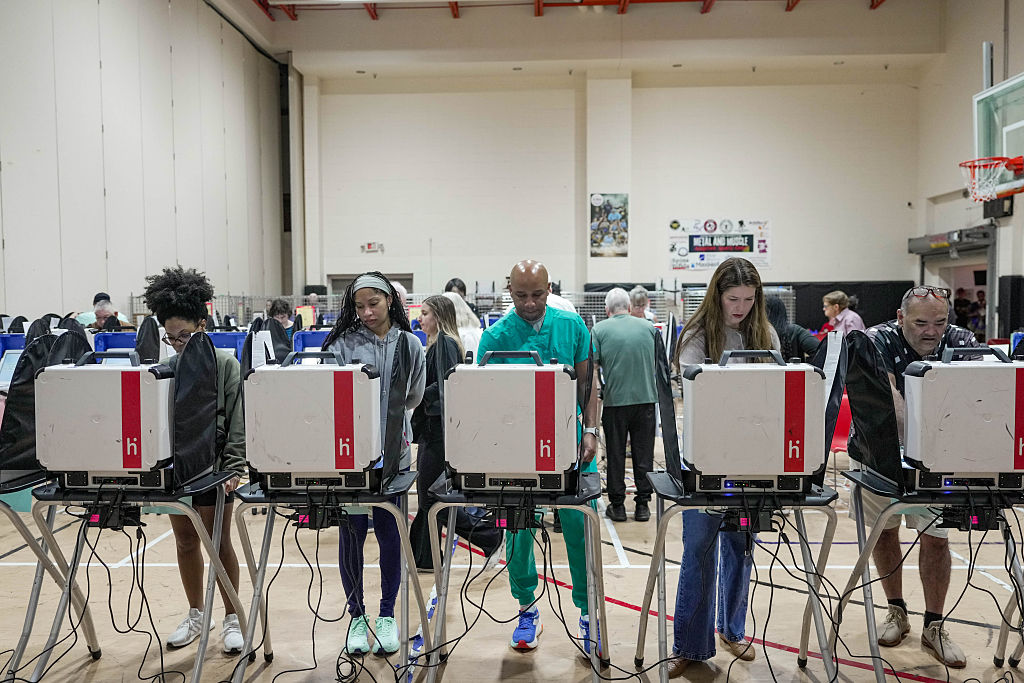
The U.S. Department of Homeland Security (DHS) has begun issuing administrative subpoenas to Texas counties, seeking granular data on individual voters as part of a broader federal push to verify the citizenship status of registered voters. At least three Texas counties have either received these subpoenas or been notified that they are forthcoming, signaling an escalation in the Trump administration’s efforts to scrutinize voter rolls.
The subpoenas specifically target detailed records that are not held at the state level, including original voter registration applications and comprehensive voter histories. While the state of Texas has previously cooperated with federal inquiries, the specific documents now being sought—such as signatures and application forms—are maintained exclusively by county voter registrars.
This move follows a December transfer of data where Texas provided the state’s voter roll to the U.S. Department of Justice. That transfer included identifiable information such as dates of birth, driver’s license numbers, and partial Social Security numbers, but it did not include the registration applications that DHS is now pursuing through these county-level subpoenas.
Scope of Federal Inquiries in Texas Counties
The reach of these federal requests appears intended to be statewide. In Lubbock County, elections administrator Roxzine Stinson reported meeting with a Homeland Security representative who informed her that a subpoena would soon be issued for information regarding at least 10 voters, with the possibility of that number increasing to 30. According to Stinson, the DHS representative explicitly stated that “all 254 counties will be contacted,” as reported by Votebeat.

Other jurisdictions are already feeling the impact of these requests. Trudy Hancock, the elections administrator for Brazos County, confirmed that her office received a subpoena via email this week. The precise number of voters targeted in Brazos County has not been publicly disclosed, and officials in several counties noted they do not yet know which specific individuals are being scrutinized.
The shift toward administrative subpoenas allows the federal government to compel the production of records without a prior court order, placing local election officials in a position where they must balance federal mandates with local legal obligations and voter privacy.
The Distinction Between State and County Voter Data
To understand why DHS is targeting counties rather than the state government, it is necessary to look at how Texas manages its election records. The Texas Secretary of State maintains the master voter roll, which contains the identifying data already shared with the Department of Justice in December. However, the actual registration applications—the physical or digital forms where a citizen swears under penalty of perjury that they are a U.S. Citizen—are kept by the individual county voter registrars.
Because the state does not have access to these applications or the signatures associated with them, the federal government must go directly to the counties to obtain the primary evidence of a voter’s registration claim. This creates a significant administrative burden for county offices, many of which are now seeking legal counsel to determine the propriety of these requests.
Key Data Points in the DHS Request
| Data Source | Recipient | Information Provided/Sought | Status |
|---|---|---|---|
| State of Texas | Department of Justice | DOB, Driver’s License, Partial SSNs | Completed (December) |
| Texas Counties | Department of Homeland Security | Registration Applications, Voter History, Signatures | Ongoing/Subpoenaed |
Local Response and Legal Implications
The arrival of these subpoenas has prompted immediate legal scrutiny at the local level. In Lubbock County, Roxzine Stinson stated that she will be seeking guidance from the county’s legal department to determine the appropriate response to the DHS request. The uncertainty surrounding which voters are being targeted and the potential for these records to be used in citizenship challenges has created a tense environment for election administrators.
These actions are viewed as part of a systemic effort by the Trump administration to ensure that only eligible citizens are registered to vote. However, the use of DHS—an agency primarily focused on national security and immigration—to gather voter registration data marks a notable intersection of immigration enforcement and election administration.
For voters, the primary concern remains the privacy of their registration data and the potential for these administrative subpoenas to lead to legal challenges regarding their eligibility. As more of the 254 counties are contacted, the collective response from Texas local officials may determine whether these records are handed over without resistance or challenged in court.
The next confirmed checkpoint for this developing story will be the legal determinations made by the affected county legal departments regarding the validity and scope of the DHS subpoenas. We will continue to monitor whether other counties report receiving similar requests as the DHS representative’s timeline unfolds.
Do you believe federal agencies should have direct access to county-level voter applications? Share your thoughts in the comments below or share this report with your network.
Worth a look