
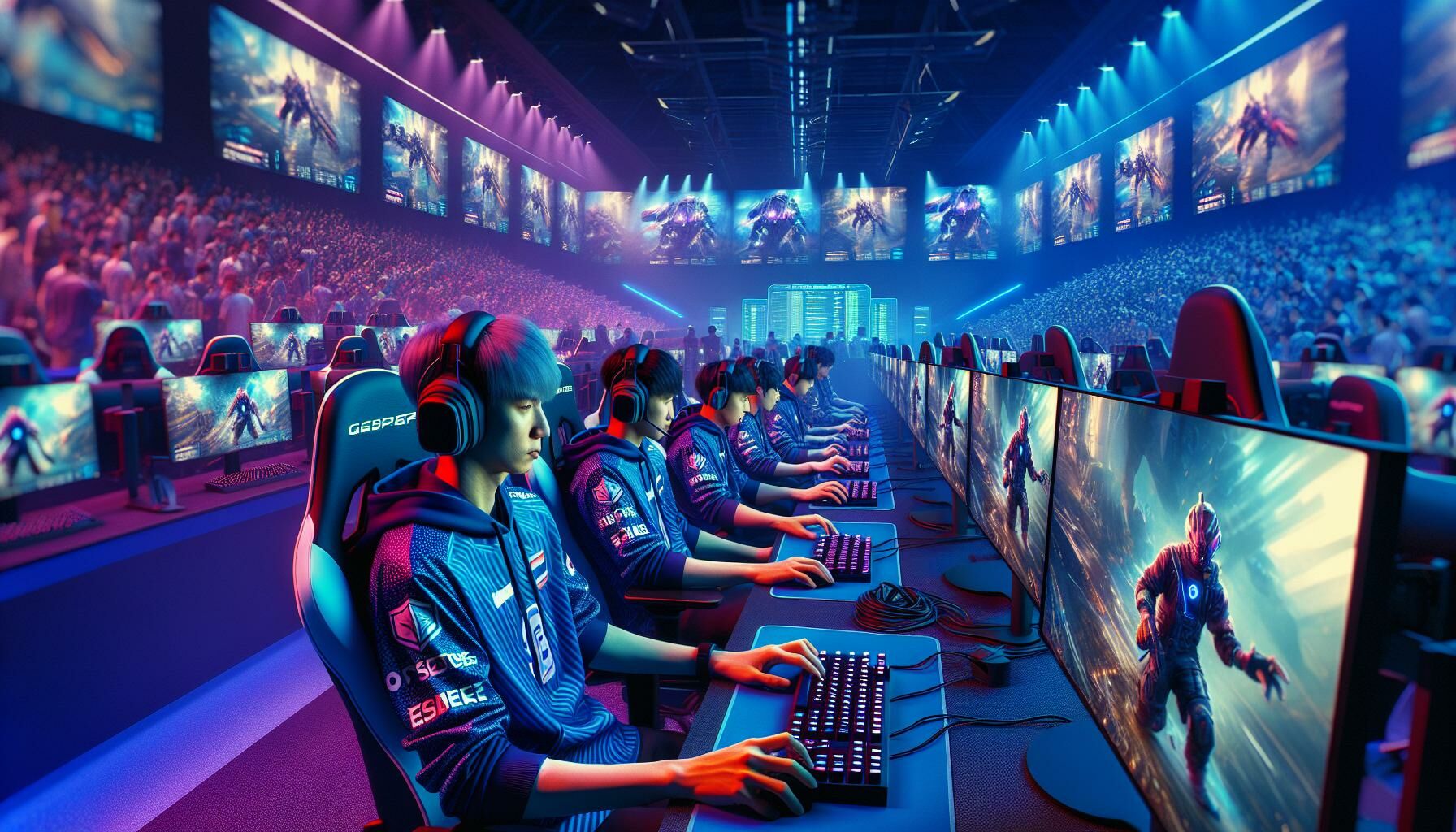
Thailand is embarking on a significant educational and economic pivot, repositioning esports from a niche form of entertainment to a cornerstone of national development. By integrating competitive gaming into the school system, the Thai government and key developmental partners aim to cultivate “digital human capital”—a workforce equipped with the specialized skills required to thrive in the rapidly evolving global creative industry.
This strategic shift recognizes that the modern economy demands more than traditional academic proficiency; it requires digital literacy, strategic thinking, and the ability to navigate complex, high-pressure virtual environments. The initiative seeks to transform the perception of gaming, framing it instead as a legitimate pathway to professional careers in software development, digital content creation, and professional esports management.
The “BUFF TO BUILD NUMBER ONE” Initiative
Central to this national movement is the “BUFF TO BUILD NUMBER ONE” initiative, a collaborative program designed to bridge the gap between youth interest in gaming and professional industry standards. The program is a joint effort between TO BE NUMBER ONE and the Collegiate Esports and Youth Development Association (CEYDA).
The initiative is built upon the educational philosophy of “Sandbox Learning.” This concept provides students with a safe, experimental environment where they can engage in hands-on learning. Rather than traditional rote memorization, Sandbox Learning encourages youth to test strategies, learn from failure, and develop essential soft skills such as critical thinking, complex problem-solving, and effective teamwork within a supportive framework.
Key Pillars of Esports Integration
To ensure a comprehensive approach to youth development, the initiative has established several specialized programs that address different facets of the esports ecosystem:

- Esports Academy: This component provides structured development paths, moving students away from casual play toward organized, professional training suitable for long-term careers.
- Esports Lab: A critical piece of infrastructure, these labs serve as standardized spaces dedicated to esports training and multi-dimensional learning.
- Esports Youth & Education Tour: Aimed at raising awareness, this tour promotes positive attitudes toward esports within educational institutions across the country.
- RoV Pro League Team: This program organizes competitive structures that allow players to progress from school-level competition to the professional tier.
Fostering Social Responsibility and Wellbeing
A primary concern in the integration of esports into schools is ensuring that digital engagement remains healthy and productive. The Thai initiative addresses this through a dual focus on “Responsible Gaming” and social welfare. By campaigning for balanced gaming habits, the program aims to mitigate the risks of gaming addiction and ensure that esports serves as a tool for growth rather than a distraction.
the initiative leverages the popularity of esports to address broader social issues. The TO BE NUMBER ONE Esports Club is specifically designed to engage youth in creative esports activities as a proactive way to encourage healthy lifestyles and steer students away from drug use. This integration of social advocacy into digital sports highlights the government’s holistic approach to youth development.
Developing the Digital Workforce
The ultimate goal of these programs is the creation of a robust pipeline for the global creative economy. As the demand for digital expertise grows, Thailand’s focus on esports serves a broader economic purpose: preparing a generation of “digital human capital” capable of contributing to high-value sectors.

The skills cultivated in an esports environment—ranging from high-speed decision-making to digital coordination—are directly transferable to the creative industries. This includes roles in game design, digital broadcasting, event management, and technical infrastructure, positioning Thailand as a competitive player in the international digital landscape.
Summary of the Esports Educational Framework
| Program Component | Primary Objective | Target Outcome |
|---|---|---|
| Esports Academy | Structured career development | Professional esports careers |
| Esports Lab | Standardized training environments | Technical and tactical mastery |
| Responsible Gaming | Promoting balanced habits | Prevention of gaming addiction |
| To Be Number One Club | Social engagement and drug prevention | Healthy, creative youth lifestyles |
| Youth & Education Tour | Educational outreach | Positive institutional perception |
As the program continues to expand, the focus remains on ensuring that the transition from “player” to “professional” is supported by rigorous educational standards and a commitment to the holistic wellbeing of the students involved.
Stakeholders are currently monitoring the rollout of the Esports Lab infrastructure and the continued expansion of the Esports Youth & Education Tour across regional schools. Further updates regarding the integration of these programs into the national curriculum are expected in upcoming educational policy reviews.
What are your thoughts on integrating esports into the formal school curriculum? Do you see it as a viable way to build digital skills? Share your views in the comments below and share this article with your network.