Thailand Heads to Early Elections Amidst Border Conflict with Cambodia & Political Turmoil
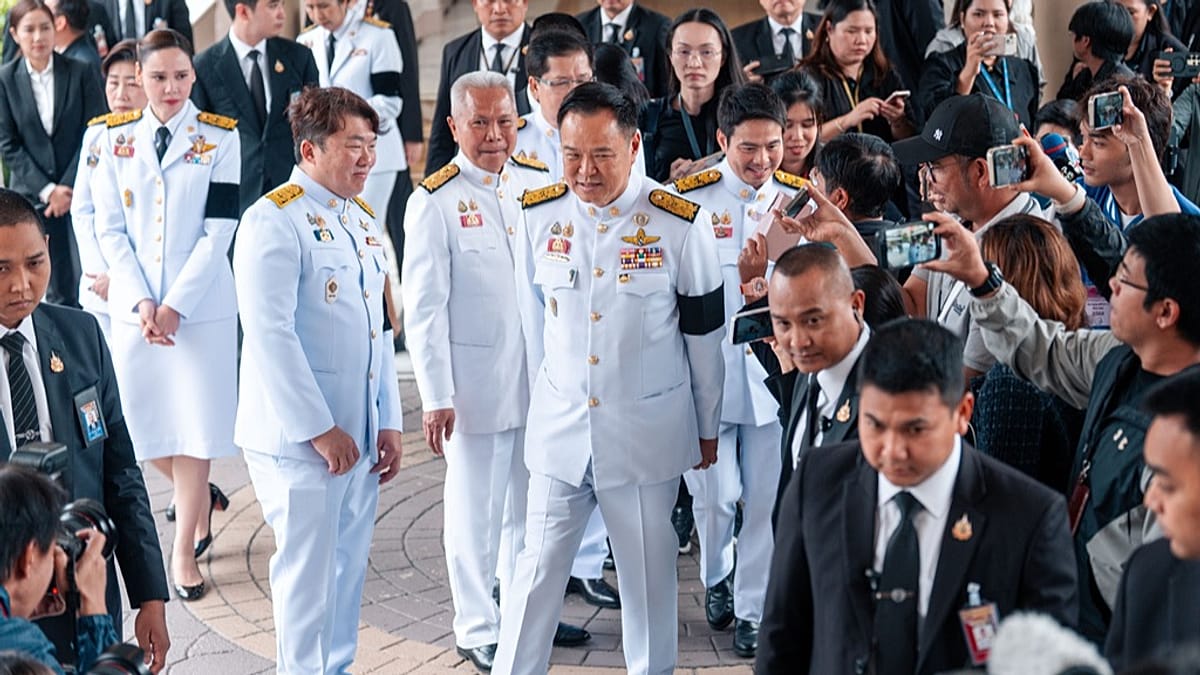
Thailand is bracing for new elections early next year after Prime Minister Anutin Charnvirakul dissolved the House of Representatives on Friday, following royal approval. This decision arrives at a particularly sensitive time, as the nation grapples with escalating cross-border clashes with Cambodia and internal political friction.
This isn’t simply a routine election call. It’s a culmination of a complex series of events,stemming from a fragile coalition government and a long-standing territorial dispute. Let’s break down the key factors driving this situation.
A Short-Lived Premiership & The Promise of Reform
Anutin Charnvirakul assumed the premiership just three months ago, succeeding Paetongtarn Shinawatra, who served for a year. His ascent to power was contingent on a deal with the progressive People’s Party.
This agreement stipulated two key commitments:
* Dissolution of parliament within four months.
* A referendum on drafting a new constitution via an elected constituent assembly.
The People’s Party has long advocated for constitutional reform, aiming to dismantle provisions imposed during a period of military rule and establish a more democratic framework.
Constitutional Clash & The Trigger for Dissolution
The push for constitutional change appears to be the immediate catalyst for the dissolution.The People’s Party prepared a no-confidence vote against Anutin after lawmakers from his Bhumjaithai Party supported a constitutional amendment bill.
This move was perceived as a betrayal of the September agreement by the opposition, who argued it contradicted the spirit of their initial understanding. The People’s Party, holding the majority of seats in the House, represents a important challenge to Bhumjaithai’s power.
Border Conflict with Cambodia Intensifies
Adding to the political instability is the renewed conflict with Cambodia. Fighting over disputed border regions has resulted in over two dozen reported deaths and the displacement of hundreds of thousands on both sides.
This escalation has seen Anutin adopt a firm, nationalistic stance, vowing to defend Thailand’s sovereignty “until its safety is guaranteed.” The conflict has deep roots, and previous attempts at de-escalation have been fraught with challenges.
A History of Political Instability & External Intervention
The current situation builds upon a recent history of political upheaval. Paetongtarn Shinawatra, daughter of former Prime Minister thaksin shinawatra, was suspended from office earlier this year following ethics violations related to a controversial phone call with Cambodian Senate President Hun Sen prior to the July conflict.
Notably, in July, former US President Donald Trump successfully brokered a ceasefire between the two nations by threatening to withhold trade privileges. he has as pledged to intervene again following the latest outbreak of fighting.
What to Expect Next
The election must be held within 45 to 60 days following the royal endorsement. During this period, Anutin will remain as caretaker Prime Minister, albeit with limited authority – crucially, he cannot approve a new budget.
The People’s Party has expressed hope that Anutin will still honor the commitment to hold a referendum on constitutional reform. However, the path forward remains uncertain, particularly given the ongoing border conflict and the potential for further political maneuvering.
Sources: AP
Analysis & implications:
This situation highlights the delicate balance of power in Thai politics. The dissolution of parliament, while seemingly fulfilling a promise, is likely to exacerbate existing tensions. The border conflict with Cambodia adds another layer of complexity, potentially influencing voter sentiment and shaping the outcome of the upcoming elections. The role of external actors, like the United States, also remains significant in navigating this volatile situation.
This is a developing story, and we will continue to provide updates as they become available.
Keep reading