Fragile Peace: Cambodia and thailand Reach New Agreement to De-escalate Border Conflict
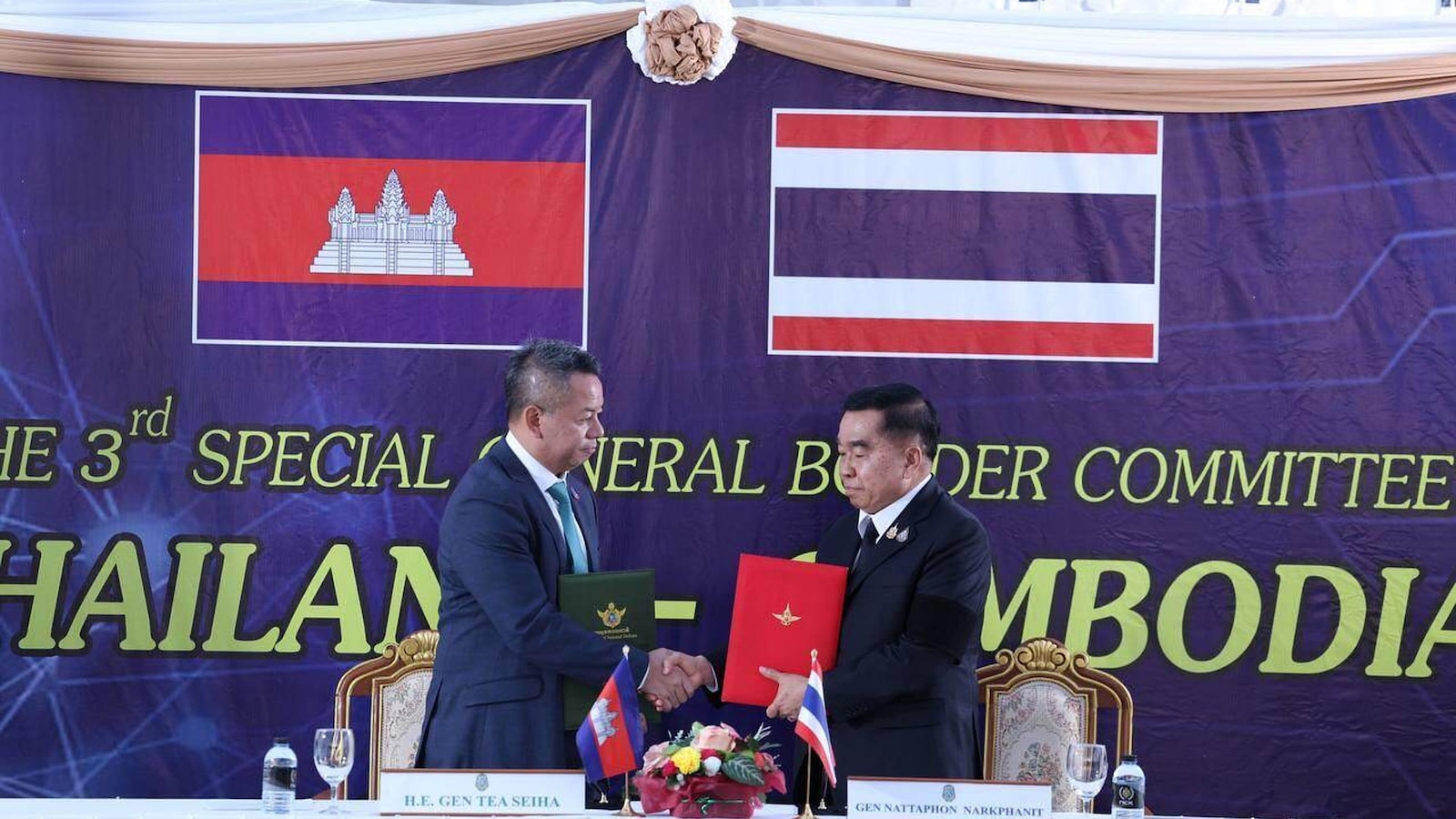
After decades of intermittent clashes, Cambodia and Thailand have signed a new agreement aimed at solidifying a ceasefire and de-escalating tensions along their shared border. This comes despite recent skirmishes, with the Cambodian defense ministry reporting Thai artillery hitting sites within Cambodia as recently as Saturday. The agreement represents a crucial step towards stability,but its success hinges on sustained commitment from both sides.
A History of Conflict & Recent Escalation
The current conflict stems from a long-standing territorial dispute centered around the Preah Vihear Temple, a UNESCO World Heritage site. While a July ceasefire, brokered by Malaysia and spurred by pressure from then-U.S. President Donald Trump,initially brought a lull in fighting,it proved insufficient.
Despite the initial agreement formalized in October, a bitter propaganda war continued, and minor cross-border violence persisted. This escalated dramatically in early December, leading to widespread heavy fighting.
Key Provisions of the New Agreement
Signed by Cambodian Defense Minister Tea Seiha and Thai Defense Minister Nattaphon Narkphanit at a border checkpoint,the agreement builds upon previous commitments and outlines 16 specific de-escalation measures. Here’s a breakdown of the key points:
* Ceasefire Reinforcement: Both nations reaffirm their commitment to the existing ceasefire agreement.
* Prisoner Release: Thailand will repatriate 18 Cambodian soldiers held since earlier fighting in July – a significant demand from Cambodia. this release is contingent on the 72-hour hold of the ceasefire.
* Mine Agreement: Both sides pledge to adhere to international agreements prohibiting the deployment of landmines. Thailand has reported nine incidents this year involving soldiers wounded by alleged newly planted mines, while Cambodia maintains these are remnants of past civil conflicts.
* Facts Control: A crucial clause calls for both sides to “refrain from disseminating false information or fake news,” acknowledging the role of propaganda in fueling tensions.
* Border Demarcation: Efforts to clearly demarcate the border will be resumed, addressing a core issue driving the conflict.
* Transnational Crime Cooperation: The agreement emphasizes cooperation in suppressing transnational crimes, particularly the rampant online scams originating in Cambodia that have defrauded victims globally.
The Human Cost & Blame Game
the conflict has taken a heavy toll on civilians. Thailand reports 26 soldiers and one civilian death directly from combat since December 7th, alongside 44 civilian deaths attributed to collateral damage. Cambodia reports 30 civilian deaths and 90 injuries, with hundreds of thousands evacuated from affected areas.
Each country accuses the other of initiating the fighting and acting in self-defense, highlighting the deep-seated mistrust and differing narratives surrounding the conflict.
Looking Ahead: Challenges and Opportunities
While this agreement offers a glimmer of hope, significant challenges remain. Successfully implementing the 16 de-escalation measures will require sustained political will and effective communication.
You,as someone following this situation,should understand that the history of this border dispute is complex. the agreement’s success depends on both sides moving beyond blame and focusing on building a lasting peace.
Furthermore, addressing the underlying economic factors that contribute to instability – including the proliferation of online scams – is crucial for long-term regional security.
Resources for Further Information:
* UNESCO – Preah Vihear Temple
* U.S. Department of State – Cambodia
* U.S. Department of State – Thailand
This agreement represents a critical juncture.Whether it leads to genuine peace or simply another temporary reprieve remains to be seen.