Thailand-Cambodia Border Conflict: A Deep Dive into the Ancient Roots and Recent Escalations
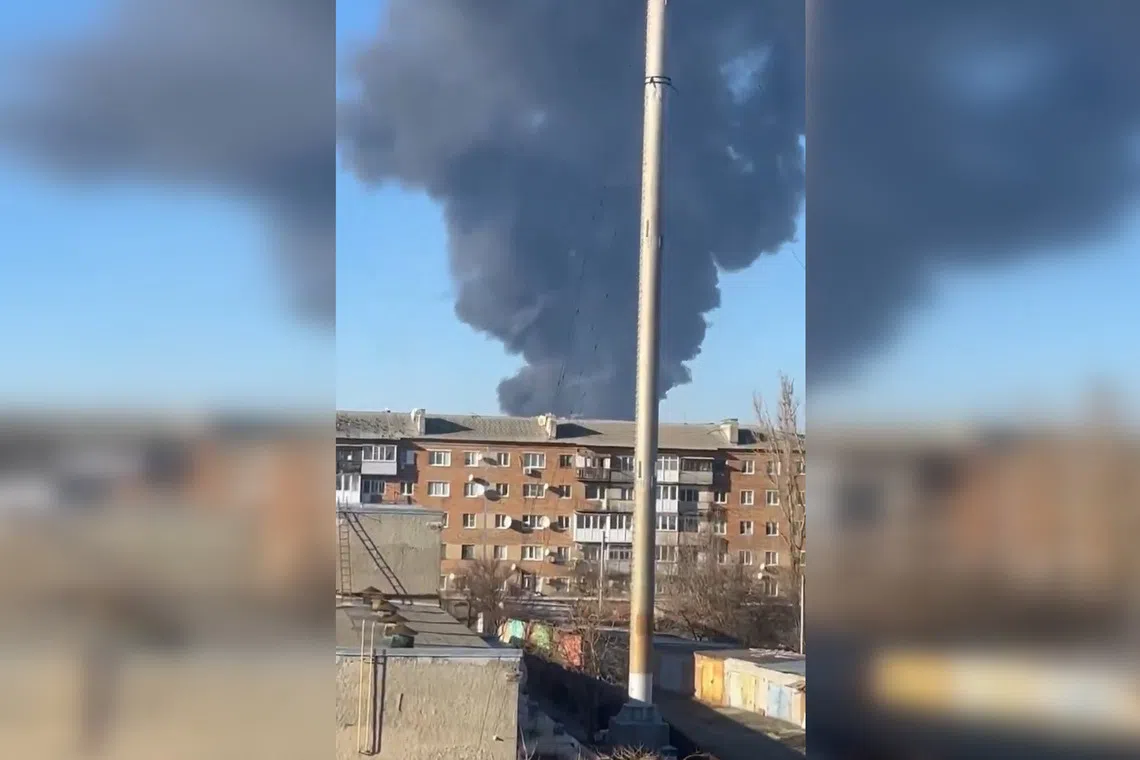
the recent reports of aerial attacks launched by Thailand against Cambodia have reignited a long-simmering border dispute. This isn’t a sudden eruption; it’s a complex situation rooted in decades of territorial disagreements and nationalist sentiment. Understanding the nuances of this border conflict requires a look at its history, the current triggers, and the potential implications for regional stability. This article provides an in-depth analysis, moving beyond headlines to offer a thorough understanding of the situation.
Historical Context: A Disputed Legacy
The core of the dispute centers around the Preah Vihear temple, a stunning Khmer temple complex situated on a cliff overlooking the plains of Cambodia. While the International Court of justice (ICJ) awarded the temple to Cambodia in 1962, the surrounding land remains a point of contention.
* French Colonial Maps: The original dispute stems from differing interpretations of French colonial maps from the early 20th century. Thailand (then Siam) and Cambodia used different maps, leading to conflicting claims over the territory surrounding the temple.
* ICJ Ruling & its Ambiguity: The 1962 ICJ ruling affirmed Cambodia’s sovereignty over the temple itself, but didn’t explicitly define the extent of the territory to which that sovereignty applied. This ambiguity has fueled decades of tension.
* Past Clashes: Sporadic clashes have occurred since the 1962 ruling, particularly in the 2008-2011 period, often involving nationalist protests and military build-ups. These incidents, while contained, demonstrated the fragility of the situation.
Recent Escalation: What Triggered the Renewed Hostilities?
The latest escalation, as reported on December 8, 2025, follows accusations from Thailand regarding attacks originating from Cambodian military forces. Bangkok announced the death of one soldier and injuries to four others near the border.
However, Cambodia’s Ministry of Defense countered these claims, stating that thai forces initiated the attacks in the provinces of Preah Vihear and Oddar Meanchey, and that they did not retaliate. This conflicting narrative highlights the difficulty in establishing a clear account of events.
The use of aerial attacks by Thailand represents a notable escalation. Previously, clashes were largely confined to ground-level skirmishes. This shift suggests a hardening of Thailand’s stance and a willingness to employ more forceful measures.
Analyzing the Military Responses & Regional Implications
Thailand’s justification for the aerial strikes – “to repress attacks by the Cambodian army” – raises several questions.
* Proportionality: Was the use of air power a proportionate response to the alleged attacks? International law dictates that military responses must be proportionate to the threat.
* Cambodian Restraint: Cambodia’s claim of non-retaliation is noteworthy. This could be a purposeful strategy to de-escalate the situation, or it could indicate a lack of military capacity to respond effectively.
* ASEAN‘s Role: The Association of Southeast Asian Nations (ASEAN) is likely to play a crucial role in mediating the dispute. ASEAN has historically been a platform for dialog between Thailand and cambodia, but its effectiveness has been limited.
the conflict also has broader regional implications. It could destabilize an already volatile region and potentially draw in other actors. Moreover, it risks undermining ASEAN’s credibility as a conflict resolution mechanism.