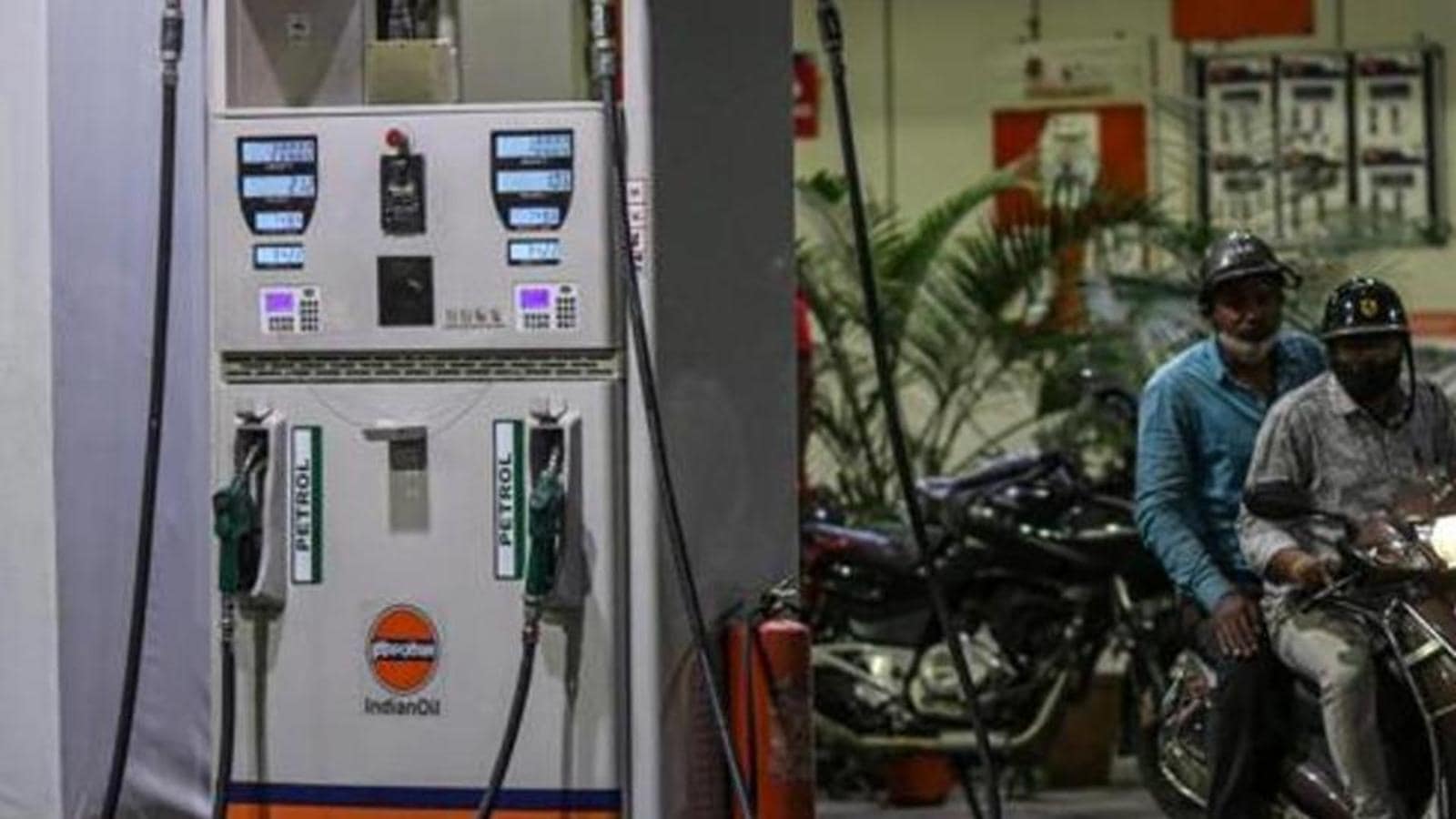
Thailand’s Oil Fuel Fund Committee (OFFC) has moved to stabilize energy costs for consumers by announcing a decision to freeze retail diesel prices. This strategic intervention comes as the government seeks to mitigate the impact of fluctuating global energy markets on domestic transport and logistics costs.
The decision, finalized on Tuesday, April 7, 2026, involves increasing the subsidy rates for both B7 and B20 diesel grades. By absorbing a larger portion of the cost through the fund, the committee ensures that the pump price remains steady despite underlying market pressures Thai PBS.
This move follows a period of significant volatility. Just days prior, on April 4, 2026, the committee had actually reduced subsidies, which led to a retail price hike of 2.80 baht per liter, pushing B7 diesel to 50.54 baht Bangkok BizNews. The rapid pivot back to price freezing underscores the sensitivity of the Thai economy to fuel price swings.
For global observers and economic analysts, this cycle of subsidy adjustments highlights the ongoing challenge the Thai government faces in balancing the financial liquidity of the Oil Fuel Fund with the demand to protect citizens from inflation and rising living costs.
Breaking Down the Subsidy Adjustments
The core of the current price freeze lies in the precise adjustment of the compensation rates provided by the Oil Fuel Fund. To keep retail prices from climbing, the committee has increased the amount of money the fund pays to offset the cost of diesel.
For Diesel B7, the compensation rate has been increased by 0.44 baht per liter, moving from 18.10 baht per liter to a new rate of 18.54 baht per liter Thai PBS. This targeted increase is designed to absorb the immediate upward pressure on refinery prices.
Similarly, Diesel B20 has seen a subsidy increase of 0.48 baht per liter, rising from 19.61 baht per liter to 20.09 baht per liter Thai PBS. These adjustments ensure that the retail price for both grades remains unchanged for the time being.
Comparison of Recent Diesel Subsidy Shifts
| Fuel Grade | Previous Rate (Apr 4-6) | New Rate (As of Apr 7) | Change |
|---|---|---|---|
| Diesel B7 | 18.10 Baht/Liter | 18.54 Baht/Liter | +0.44 Baht |
| Diesel B20 | 19.61 Baht/Liter | 20.09 Baht/Liter | +0.48 Baht |
The Economic Context: Stability vs. Liquidity
The ability of the Oil Fuel Fund to freeze prices depends entirely on its liquidity. The fund acts as a shock absorber, but it cannot sustain infinite subsidies without risking its own financial stability. This tension was evident in the committee’s actions earlier in the week.
On April 4, 2026, the committee had initially decided to reduce the compensation for B7 and B20 diesel by 2.61 baht per liter each. The stated goal of that move was to reduce the fund’s daily outflow from 1,708.75 million baht per day to 1,496.72 million baht per day Bangkok BizNews.
The decision to reverse course and increase subsidies on April 7 suggests that the social and economic pressure of higher fuel prices—which had reached 50.54 baht for B7—outweighed the immediate need to preserve the fund’s liquidity. This “seesaw” approach to pricing is a common tool in emerging markets to manage inflation during periods of energy instability.
Who Is Affected by These Measures?
The freezing of diesel prices has a ripple effect across several sectors of the Thai economy:
- Logistics and Transport: Since diesel is the primary fuel for trucking and freight, price stability helps prevent a sudden spike in the cost of transporting goods, which would otherwise lead to higher food and consumer product prices.
- Agricultural Sector: Farmers relying on diesel-powered machinery benefit from predictable input costs, protecting their margins during planting and harvest seasons.
- General Consumers: While gasoline prices are determined by traders and are not subject to the same fund-driven freezes, the stability of diesel prevents a broader inflationary trend in public transport and delivery services.
while diesel is being managed by the committee, the prices for gasoline remain under the purview of individual fuel traders, who announce their pricing updates independently Thai PBS.
What Happens Next?
The current price freeze is a temporary measure. The Oil Fuel Fund Committee will continue to monitor global crude oil prices and refinery margins to determine if further adjustments to the subsidy rates are necessary.
Market participants and consumers should look for the next set of announcements from the committee regarding the sustainability of these subsidy levels, as the fund’s ability to absorb costs is limited by its total reserves. Official updates on retail fuel prices are typically released by the committee and the Department of Energy Business.
We invite our readers to share their thoughts on how fuel price volatility is affecting their local businesses in the comments below. For the latest updates on global economic policy, follow World Today Journal.
Related reading