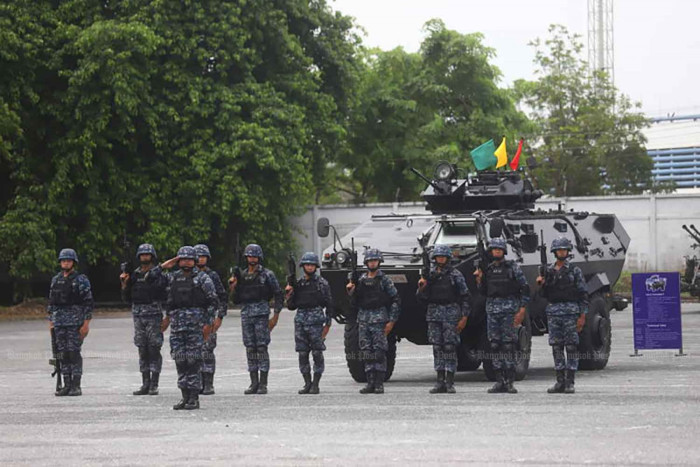
Bangkok, Thailand – In a significant move towards bolstering human rights within its armed forces, Thailand’s National Human Rights Commission (NHRC) is collaborating with the Royal Thai Army and the Royal Thai Navy to develop comprehensive training guidelines for recent recruits. The initiative, announced on February 20, 2026, aims to prevent torture, mistreatment, and abuse even as simultaneously upholding discipline and operational readiness. This partnership underscores a growing international emphasis on integrating human rights principles into military training and operations, a trend gaining momentum globally.
The collaboration comes as Thailand continues to refine its approach to national security and military service. Conscription remains a part of the country’s defense strategy, making the welfare and rights of new recruits a critical concern. The NHRC’s involvement signals a commitment to ensuring that all personnel, regardless of their role, are treated with dignity and respect, in accordance with both domestic and international law. This initiative is particularly timely given increasing scrutiny of military practices worldwide and the necessitate to align with evolving standards of human rights protection.
The core of the effort is the drafting of “Do’s & Don’ts” guidelines, designed to provide clear direction to military trainers and personnel. These guidelines are not merely a set of rules, but a framework intended to foster a culture of respect for human dignity within the armed forces. According to NHRC commissioner Wasan Paileeklee, the guidelines are directly linked to Thailand’s obligations under the Prevention and Suppression of Torture and Enforced Disappearance Act, B.E. 2565 (2022), as well as international conventions such as the Convention Against Torture and Other Cruel, Inhuman or Degrading Treatment or Punishment (CAT) and the International Convention for the Protection of All Persons from Enforced Disappearance (ICPPED). Thairath Online reported on the collaboration, highlighting the NHRC’s prioritization of enforcing these legal frameworks.
Strengthening Human Rights Standards in Military Training
The NHRC’s proactive engagement with the Thai military extends beyond the drafting of guidelines. The commission has been conducting preventative visits to new recruit training centers across all branches – Army, Navy, and Air Force – to assess existing practices and identify areas for improvement. These visits are coupled with human rights training for instructors, equipping them with the knowledge and tools to deliver training that is both effective and respectful of fundamental rights. Inspections of military prisons under the Army’s jurisdiction have also been undertaken, demonstrating a comprehensive approach to oversight and accountability.
The “Do’s” outlined in the draft guidelines emphasize the importance of treating all recruits with respect, regardless of their background or status. Creating violence-free training environments is a central tenet, alongside ensuring that any disciplinary punishments are proportionate to the offense and followed by assessments of both physical and mental health. Recognizing the psychological impact of military service, the guidelines also call for robust mental health support systems and allow conscripts to maintain contact with their families – provisions designed to promote well-being and resilience. Confidentiality is also a key component, with mental health assessments and complaint channels designed to protect the identity of those who come forward with concerns.
Prohibited Practices and Ensuring Accountability
Equally essential are the “Don’ts” outlined in the framework. These explicitly prohibit all forms of violence, forced nudity, and demeaning language, effectively banning practices that have historically been associated with abusive training regimes. The apply of violence as a training method is strictly forbidden, as is detention or isolation without due cause. The guidelines also address the potential for abuse within seniority systems, aiming to prevent the exploitation of power dynamics. The Bangkok Post detailed these prohibitions, emphasizing the commitment to normalizing respect and transparency within the military.
To ensure accountability, the guidelines stipulate that disciplinary sessions must be conducted transparently, preferably in locations equipped with CCTV cameras to record the proceedings. This measure aims to deter misconduct and provide evidence in cases where allegations of abuse arise. Conscripts are to be shielded from being forced to carry out tasks unrelated to their training, particularly those that could be physically demanding or detrimental to their health. This provision addresses concerns about the exploitation of recruits for personal errands or other non-training related duties.
The Broader Context of Human Rights in Military Operations
Thailand’s initiative aligns with a broader global trend of integrating human rights considerations into military doctrine and practice. The U.S. Southern Command (SOUTHCOM), for example, has maintained a Human Rights Initiative since 1997, focused on developing model human rights programs for military forces. SOUTHCOM’s program centers on four key areas: doctrine, education and training, internal control systems, and accountability mechanisms. This demonstrates a growing recognition that respect for human rights is not only a moral imperative but also a strategic advantage, enhancing the legitimacy and effectiveness of military operations.
The emphasis on human rights in military training is also driven by the increasing prevalence of international legal frameworks and the growing capacity of civil society organizations to monitor and report on abuses. The Rome Statute of the International Criminal Court, for instance, defines torture and other serious human rights violations as crimes against humanity, potentially subjecting perpetrators to international prosecution. This heightened scrutiny creates a strong incentive for states to proactively address human rights concerns within their armed forces.
Challenges and Future Prospects
While the collaboration between the NHRC and the Thai military represents a positive step, challenges remain. Changing deeply ingrained cultures within military institutions requires sustained commitment and ongoing monitoring. Ensuring that the “Do’s & Don’ts” guidelines are effectively implemented and enforced will be crucial, as will providing adequate resources for mental health support and independent oversight mechanisms. The success of this initiative will depend on the willingness of all stakeholders – military leaders, trainers, and recruits – to embrace a culture of respect for human dignity.
Commissioner Wasan Paileeklee has affirmed the NHRC’s commitment to enforcing the Prevention and Suppression of Torture and Enforced Disappearance Act, the Convention against Torture, and the International Convention for the Protection of All Persons from Enforced Disappearance. This commitment provides a legal foundation for holding perpetrators accountable and ensuring that victims receive redress. The ongoing collaboration between the NHRC and the Thai military is expected to continue, with regular reviews of the guidelines and ongoing training programs to reinforce human rights principles.
Key Takeaways:
- Thailand’s NHRC is partnering with the Army and Navy to improve conscript treatment.
- The initiative focuses on drafting “Do’s & Don’ts” guidelines to prevent abuse and uphold human rights.
- The guidelines emphasize respect for dignity, mental health support, and transparent disciplinary procedures.
- This effort aligns with a global trend of integrating human rights into military training and operations.
The next step in this process is the finalization and official release of the “Do’s & Don’ts” guidelines, expected within the next quarter. The NHRC will then commence monitoring their implementation across all military training facilities. We encourage readers to share their thoughts on this important development and to engage in constructive dialogue about the role of human rights in national security.
Worth a look
- New Import Surcharges Effective July 24: 10% and 12.5% Tax Rates Explained
- Secret WWII Colossus Computer Officially Recognized as Modern Computing Foundation
- Russian Military Bloggers Report Heavy Casualties And Low Life Expectancy For New Recruits (newsdirectory3.com)
- 30 New Apprentices Begin Training at TiHo Hannover (world-today-news.com)