
Former Thai Prime Minister Thaksin Shinawatra has had his electronic monitoring anklet removed, marking his transition to full legal freedom less than a week after he received a royal pardon. The Department of Corrections confirmed on Tuesday that the device, which had been worn by the 75-year-old former leader since his release on parole in February 2024, was officially deactivated following the completion of his sentence reduction process.
Thaksin, who returned to Thailand in August 2023 after 15 years of self-imposed exile, had been serving an eight-year prison sentence for corruption and abuse of power, which was later commuted to one year by King Maha Vajiralongkorn. According to official government announcements, the recent royal pardon was granted in commemoration of the King’s 72nd birthday, effectively clearing the remainder of his parole requirements.
The Legal Context of the Royal Pardon
The removal of the electronic monitoring device signifies the end of the judicial oversight that governed Thaksin’s movements following his initial hospital-based detention. Under Thai law, parolees are often subject to strict conditions, including travel restrictions and the mandatory use of tracking technology to ensure compliance with the terms of their release. The Department of Corrections stated that because the royal pardon absolved him of the remaining duration of his sentence, there was no longer a legal basis to maintain the electronic monitoring measures.
Thaksin’s return to Thailand in 2023 was a significant political event, occurring the same day the parliament voted to install Srettha Thavisin as prime minister, a move widely interpreted by political analysts as part of a broader reconciliation effort between the Pheu Thai party and the traditional conservative establishment. The legal proceedings surrounding his imprisonment were marked by high-profile appearances, including a visit to the Supreme Court immediately upon his arrival, where he was formally processed before being transferred to the Bangkok Remand Prison and subsequently to the Police General Hospital for health reasons.
Political Implications and Public Reaction
The transition to full freedom for the former prime minister arrives during a period of shifting political alliances in Bangkok. While supporters view his pardon as a necessary step toward national unity, critics have consistently raised questions regarding the perceived preferential treatment he received during his detention, particularly his extended stay in a private suite at the Police General Hospital rather than a standard correctional facility.
According to reports from the BBC, the Thai government has maintained that all procedures followed the standard legal framework for elderly or infirm inmates. The removal of the anklet is seen by many observers as the final bureaucratic step in a process that has effectively neutralized Thaksin as a legal target, though his influence over the ruling Pheu Thai party remains a subject of intense public debate. His daughter, Paetongtarn Shinawatra, was recently elected as the youngest prime minister in Thailand’s history, further cementing the Shinawatra family’s central role in the current administration.
What Happens Next
With the electronic monitoring device removed, Thaksin is no longer restricted by the Department of Corrections in his domestic travel or public appearances. There are no further scheduled court hearings or parole check-ins associated with his past corruption convictions. The Royal Gazette published the notification of the pardon, which serves as the definitive legal instrument for his current status.
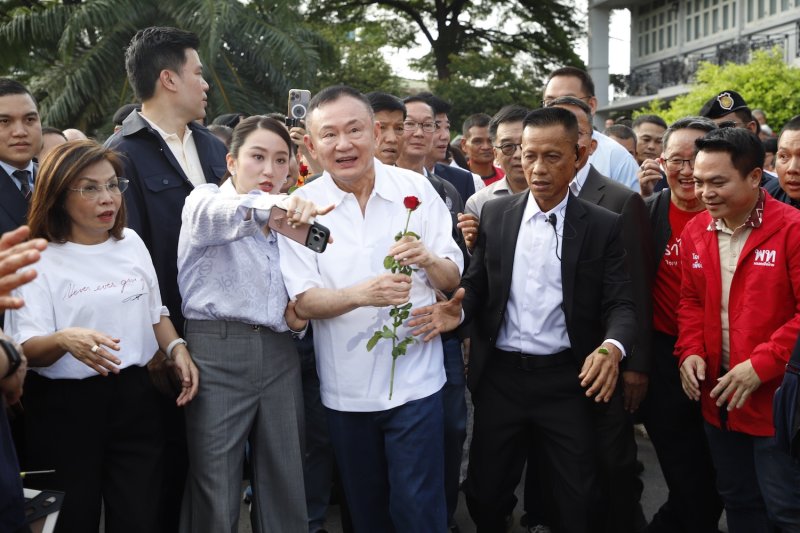
While Thaksin has formally regained his freedom, he still faces a separate ongoing legal challenge regarding a royal defamation case, or lèse-majesté, which was filed in early 2024. Prosecutors have indicated that the case is still in the preliminary stages of investigation, and it remains the primary legal hurdle for the former leader. For now, the administration has not indicated any further restrictions on his movement, and public updates regarding his status are expected to be routed through official government press channels as the legal process regarding the pending defamation charge continues to evolve.
Readers interested in following the progress of the pending lèse-majesté case or other updates from the Thai justice system can monitor the official website of the Court of Justice of Thailand. We invite our readers to share their perspectives on these developments in the comments section below.
Keep reading