
The Complex History of Thanksgiving: A Black American Perspective
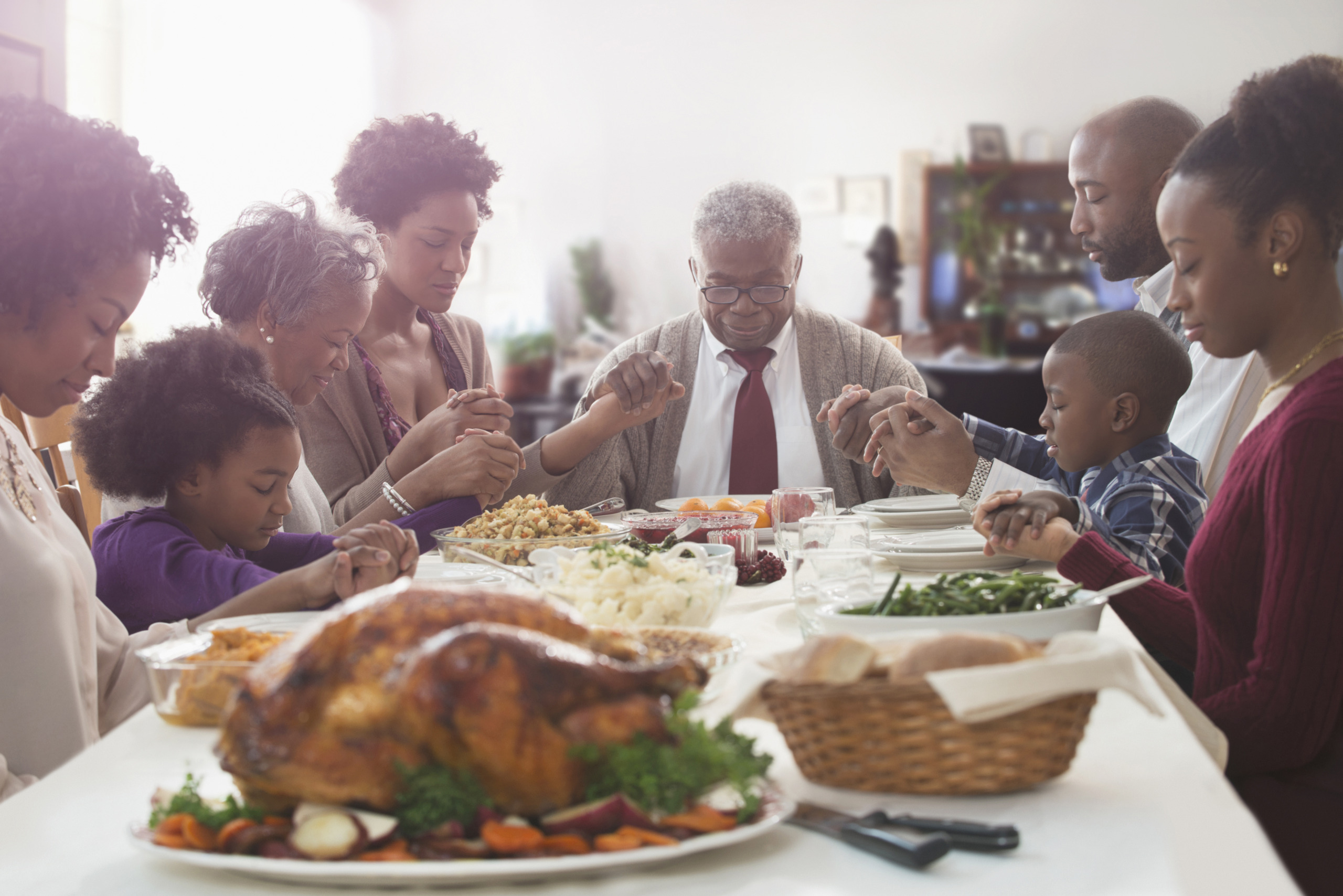
Thanksgiving. The aroma of roasted turkey, sweet potato pie, and family gatherings evokes warmth and tradition for millions. But for many Black Americans, the holiday presents a profound internal conflict. Is celebrating Thanksgiving a betrayal of solidarity with Indigenous communities who suffered immense loss and oppression? Or can it be reclaimed as a party of Black resilience, family, and the unique traditions we’ve built around it? This article delves into the multifaceted history of Thanksgiving, exploring the valid arguments for and against its celebration, and offering a nuanced perspective on navigating this complex holiday. We’ll examine the historical context, the black American experience, and provide actionable ways to engage with Thanksgiving thoughtfully.
Historical Roots: Beyond the Myth of Peaceful Coexistence
The customary narrative of the first Thanksgiving – Pilgrims sharing a harvest feast with the Wampanoag – is a romanticized and incomplete portrayal of history. While a harvest celebration did occur in 1621,it wasn’t the idyllic scene often depicted. The relationship between the Pilgrims and the Wampanoag was fraught with tension, ultimately leading to conflict and the devastating impact of colonization on Indigenous populations.
The arrival of Europeans brought disease, displacement, and violence to Indigenous communities. The subsequent centuries witnessed systematic land theft, broken treaties, and cultural genocide. acknowledging this painful history is crucial before even considering how to approach Thanksgiving. As Roxanne Dunbar-Ortiz powerfully argues in An Indigenous Peoples’ History of the United States, the Thanksgiving story actively obscures the brutal realities of colonization. https://www.beaconpress.org/books/978-0-8070-5361-8
The Black American Relationship with Thanksgiving: A Contradiction of joy and Pain
For Black Americans, the relationship with Thanksgiving is uniquely layered. While sharing a history of oppression with Indigenous peoples, the holiday has also become deeply embedded in Black familial and religious traditions.The great Migration saw Southern Black communities bring their culinary traditions – greens, sweet potatoes, macaroni and cheese – to the North, transforming the Thanksgiving table into a vibrant expression of Black culture.
This adoption wasn’t without its complexities. As Vann Newkirk poignantly describes,celebrating Thanksgiving requires a degree of “contortion” for those aware of the nation’s historical injustices.The holiday can feel like a legitimization of a system that continues to marginalize Black communities. However, for many, its also a time to express gratitude, strengthen family bonds, and celebrate the resilience of the Black spirit. Recent research (Pew Research Center,2023) indicates that 83% of Black adults still celebrate Thanksgiving,highlighting its enduring cultural meaning. https://www.pewresearch.org/social-trends/2023/11/21/thanksgiving-2023-how-americans-are-celebrating-this-year/
Here’s a speedy comparison:
| Aspect | Indigenous Perspective | Black American Perspective |
|---|---|---|
| historical Trauma | Directly linked to colonization, land theft, and cultural genocide. | Indirectly linked through shared experience of systemic oppression and racism. |
| Holiday Significance | Often viewed as a day of mourning and protest. | Complex; a blend of cultural tradition, family connection
Previous Article  RHOSLC: Meredith Marks Fires Back at Whitney Rose’s Substance Abuse AccusationsDivorce & Black Women: Financial Impact & Recovery  Related Posts
NORAD Santa Tracker 2025: Live Updates & Santa’s Journey Worldwid ...December 25, 2025
Nvidia to Acquire Groq: $20B AI Chip Deal Shakes Up IndustryDecember 25, 2025
California Storm: Impacts, Damage & Recovery UpdatesDecember 25, 20251  2  3  4  5  |