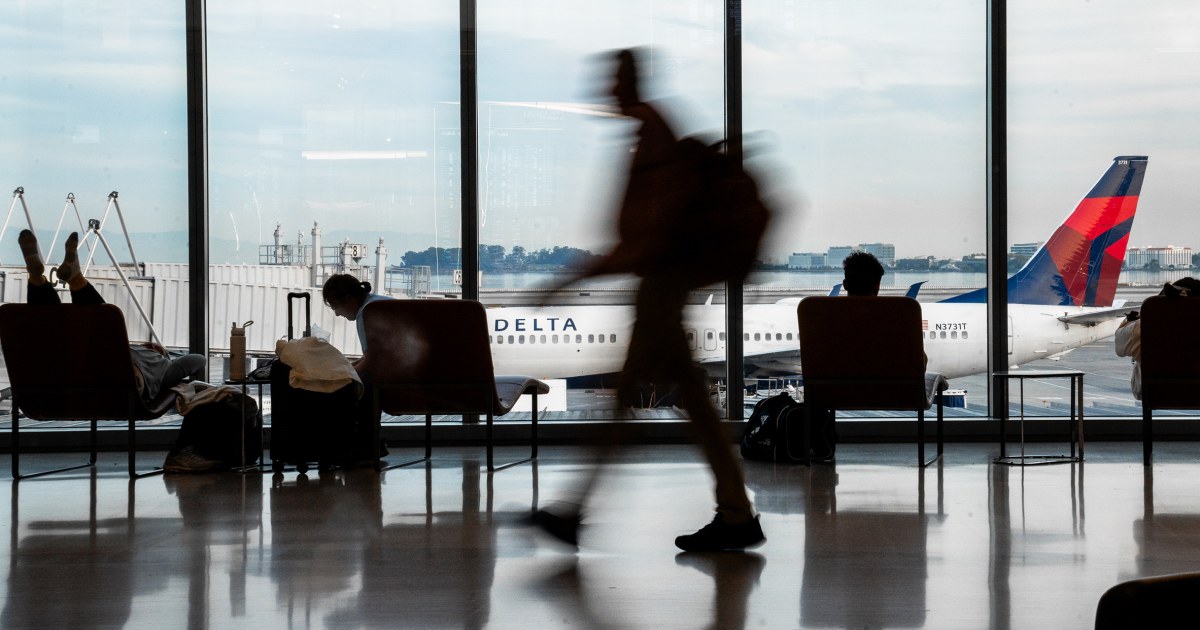
Thanksgiving Travel Disrupted: Triple Threat of Storms to Impact Millions
Millions of Americans are gearing up for what’s predicted to be a record-breaking Thanksgiving travel season. However, your holiday plans may face challenges. Three notable storm systems are poised to disrupt travel across the country with a mix of snow, rain, and potential severe weather. Here’s a detailed breakdown of what you need to know to navigate the conditions and ensure a safe journey.
Record travel Numbers Expected
AAA forecasts a staggering 82 million Americans will travel at least 50 miles between November 25th and December 1st.This represents the highest Thanksgiving travel volume on record, meaning roads and airports will be exceptionally busy. Planning and awareness are key.
Northeast: Scattered Impacts
The Northeast will experience lingering effects from the first system.
* scattered rain and snow showers will continue through Sunday afternoon across New England.
* Most areas will see onyl a dusting of snow.
* Upstate New York could receive up to 1-2 inches of accumulation.
* These conditions are unlikely to cause major disruptions, but be mindful of slick spots, especially in higher elevations.
Northwest & Northern Plains: Significant Snow & Wind
A powerful storm is currently impacting the Northwest and will then sweep across the Northern Plains.This is where the most significant travel delays are anticipated.
* Sunday: Rain and mountain snow will affect Washington, Oregon, and Idaho.
* Overnight sunday – Monday: Snow will move into Montana, prompting winter alerts. Expect 2-6 inches of snowfall,with isolated areas potentially receiving up to 9 inches. Strong wind gusts, potentially reaching 50 mph, will exacerbate conditions.
* Tuesday: The system will push into the Dakotas and Minnesota,bringing periods of rain and snow. Minneapolis and surrounding areas will be affected.
* Wednesday: The storm will continue eastward,impacting wisconsin and Michigan’s Upper Peninsula.
* Snowfall Totals (Northern Plains): 3-8 inches are expected, with higher amounts possible in north-central Minnesota.
Pro Tip: If you’re traveling through these regions, consider delaying your trip if possible, or allow for significantly extended travel times.
Four Corners & Southern Plains: Severe Weather Risk
The third system is bringing heavy rain and a risk of severe weather to the Southern Plains and Four Corners region. This system presents a multifaceted threat.
* Sunday: Heavy rain and mountain snow will continue across Colorado, New Mexico, Utah, and Arizona. Recent footage from Tucson shows strong winds and heavy rainfall.
* southwest Colorado & Northern New Mexico: Winter alerts are in effect, warning of 5-10 inches of snowfall in the San Juan Mountains.
* Kansas to West Texas: A long stretch will experience heavy rain, with a slight risk of severe storms capable of producing large hail and even a brief tornado.
* Sunday Night – Monday: Heavy rain will shift into Oklahoma and North Texas, placing 7 million people under flood watches.
* Monday: The Texarkana region faces a slight risk of severe weather, including large hail, damaging winds, and a potential tornado.
* Tuesday – Wednesday: This system will expand from the Great Lakes through the Gulf, bringing a widespread line of rain across the eastern third of the country.
* Wednesday Evening: Conditions are expected to improve nationwide.
Staying Informed & Safe
Given the widespread nature of these storms, staying informed is crucial.
* Check the Forecast: Continuously monitor the latest weather updates from the National Weather Service (https://www.weather.gov/) and your local news sources.
* Road Conditions: Before you travel,check road conditions with your state’s Department of Transportation.
* Flight Status: If flying, confirm your flight status directly with your airline. Expect potential delays and cancellations.
* Pack an Emergency Kit: Include essentials like a flashlight, blankets, snacks, water, a first-aid kit, and a phone charger.
* Drive Safely: If you must drive, reduce your speed, increase your following distance, and be prepared for slippery conditions.
The National Weather Service urges travelers