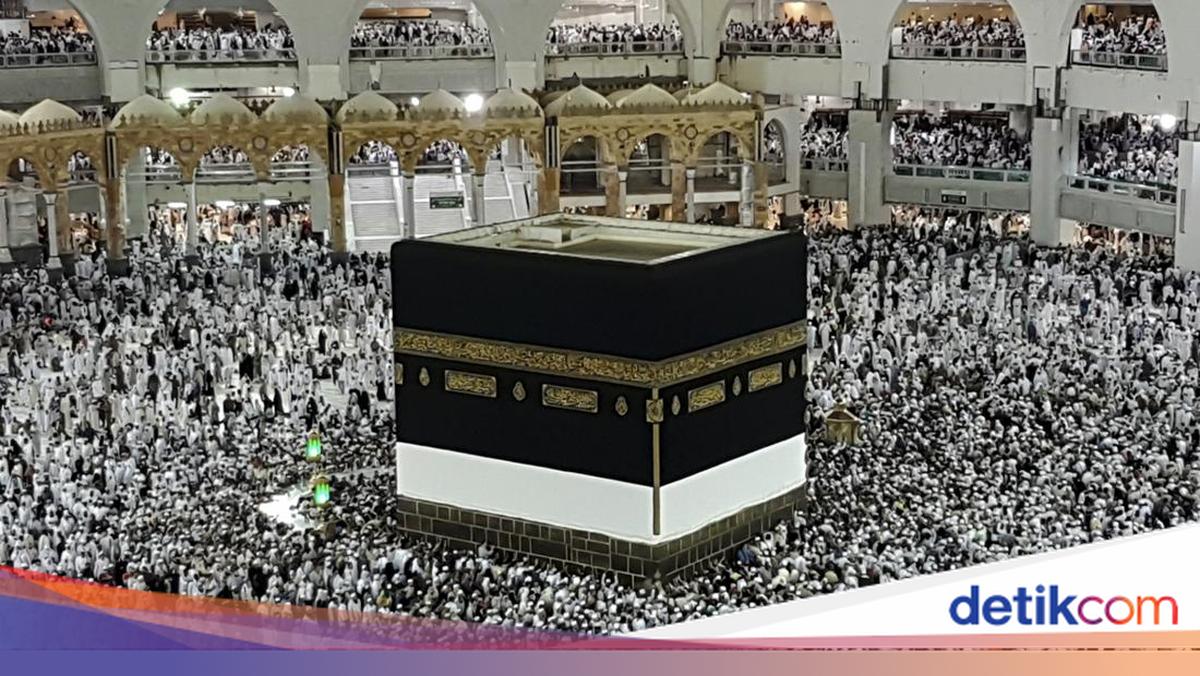
The Cool Underfoot of the Grand Mosque: How Ancient Marble Keeps Pilgrims Comfortable
Millions of Muslims journey to Mecca each year to perform the Umrah and Hajj pilgrimages, seeking spiritual fulfillment at the Masjid al-Haram, Islam’s holiest site. As temperatures in Saudi Arabia soar, particularly during the Hajj season, maintaining a comfortable environment for worshippers is paramount. A key element in this effort is a seemingly simple feature: the remarkably cool flooring beneath their feet. This isn’t the result of modern air conditioning, but a centuries-old material chosen for its unique thermal properties – Thassos marble, sourced from a little Greek island in the Aegean Sea. The careful selection and installation of this marble demonstrate a commitment to both tradition and technological understanding in ensuring the comfort of those engaged in worship.
The choice of flooring material at the Masjid al-Haram isn’t arbitrary. With pilgrims often performing prayers barefoot, the surface temperature is a critical factor in their experience. Rather than radiating heat, the marble actively dissipates it, providing a welcome respite from the scorching Saudi Arabian climate. This innovative approach to climate control, rooted in ancient building techniques, highlights the ongoing efforts by the Saudi government to enhance facilities and improve the pilgrimage experience for Muslims worldwide. The use of Thassos marble is a testament to the enduring power of thoughtful material selection in architectural design, blending historical precedent with modern needs.
The story of this cool flooring begins not in Saudi Arabia, but on the island of Thassos, Greece. For millennia, this island has been renowned for its high-quality marble, a material prized by ancient civilizations. The marble’s unique characteristics – its brilliant white color, high reflectivity, and exceptional thermal properties – have made it a favored choice for monumental structures throughout history. Today, that legacy continues at the Masjid al-Haram, where Thassos marble plays a vital role in creating a more comfortable and reverent atmosphere for millions of pilgrims each year. The continued use of this ancient material demonstrates a respect for craftsmanship and a commitment to providing a serene environment for spiritual practice.
A Legacy Carved in Stone: The History of Thassos Marble
The history of Thassos marble stretches back to antiquity. Excavation of the stone began in ancient times, and it quickly gained prominence for its purity and workability. Evidence of its use can be found in significant structures from the ancient world, including the Macedonian tomb at Amphipolis, considered the largest tomb ever discovered in Greece, and the iconic Hagia Sophia in Istanbul, Turkey. Greek Boston details the long history of marble quarrying on the island, noting its importance to ancient economies and architectural achievements.
The distinctive qualities of Thassos marble contribute to its enduring appeal. Its pure white color, often described as “snow white,” is due to its low content of impurities. This allows for exceptional light reflection, contributing to the brightness and spaciousness of interiors. Still, its most remarkable attribute is its thermal performance. Unlike many other types of marble, Thassos marble exhibits a low heat absorption rate, meaning it doesn’t readily store heat from the surrounding environment. This property is crucial in maintaining a cool surface temperature, even under intense sunlight.
The Science Behind the Cool: Thermal Properties Explained
The ability of Thassos marble to remain cool underfoot isn’t simply a matter of perception; it’s rooted in its unique thermal properties. A 2022 study, “Investigating the Unique Thermal Properties of Thassos Marble” published by the Journal of The Investigation of Engineers (India), investigated these properties in detail. The research found that Thassos marble possesses a higher thermal conductivity than typical white marble. The Times of India reported on the study, explaining that higher thermal conductivity allows the marble to efficiently distribute heat throughout the material, preventing it from accumulating on the surface.
This efficient heat dispersal is further enhanced by the thickness of the marble slabs used at the Masjid al-Haram and the specialized insulation layers beneath them. These layers facilitate the spread of heat downwards and sideways, rather than allowing it to concentrate on the surface. Essentially, the marble acts as a heat sink, drawing heat away from the feet of worshippers and dissipating it into the surrounding structure. This combination of material properties and installation techniques creates a remarkably comfortable walking surface, even during the hottest months.
Cost and Implementation: A Significant Investment in Pilgrim Comfort
The selection of Thassos marble for the Masjid al-Haram represents a significant investment in the comfort of pilgrims. According to data from RMS Marble, an Indian marble supplier, as of 2023, a single slab of Thassos marble ranges in price from US$250 to US$400, or approximately 4.2 to 6.7 million Indonesian Rupiah (based on an exchange rate of 16,888 Rupiah per US dollar). Given the vast expanse of the Masjid al-Haram, the total cost of the marble flooring is substantial. However, Saudi authorities view this expenditure as a necessary investment in providing a dignified and comfortable experience for those undertaking the sacred pilgrimage.
The implementation of the marble flooring also requires specialized expertise. The slabs must be precisely cut and installed to ensure a level surface and optimal thermal performance. The underlying insulation layers are equally critical, requiring careful installation to maximize their effectiveness. The entire process is a testament to the meticulous planning and skilled craftsmanship involved in maintaining and enhancing the facilities at the Masjid al-Haram. The ongoing commitment to upgrading the mosque reflects a deep respect for the millions of pilgrims who visit each year.
Recent Expansion and Ongoing Improvements
The Masjid al-Haram has undergone numerous expansions and renovations over the centuries to accommodate the growing number of pilgrims. Recent projects have focused on increasing capacity, improving accessibility, and enhancing the overall comfort of the site. The continued use of Thassos marble in these expansions demonstrates a long-term commitment to maintaining the high standards of quality and comfort that pilgrims have reach to expect. The Saudi government has invested heavily in infrastructure projects aimed at streamlining the Hajj and Umrah experiences, including transportation improvements, accommodation upgrades, and enhanced security measures.
In addition to the flooring, other features contribute to the overall comfort of the Masjid al-Haram. Shade structures, air conditioning systems, and strategically placed water fountains provide relief from the heat. However, the cool touch of the Thassos marble remains a particularly appreciated feature, offering a tangible sense of comfort during the demanding physical and spiritual journey of the pilgrimage. The combination of these elements creates a more welcoming and conducive environment for worship.
Key Takeaways
- Ancient Technology, Modern Comfort: The Masjid al-Haram utilizes centuries-old Thassos marble to provide a cool surface for pilgrims, demonstrating the enduring value of traditional building materials.
- Unique Thermal Properties: Thassos marble’s high thermal conductivity efficiently dissipates heat, preventing the floor from becoming uncomfortably warm.
- Significant Investment: The use of Thassos marble represents a substantial financial commitment by Saudi Arabia to enhance the pilgrimage experience.
- Historical Significance: Thassos marble has been prized since antiquity, featuring in iconic structures like the Hagia Sophia and Macedonian tombs.
As the number of pilgrims continues to grow, the Masjid al-Haram will undoubtedly undergo further expansions and improvements. The continued use of Thassos marble, alongside innovative technologies, will be crucial in ensuring that this sacred site remains a comfortable and welcoming space for Muslims from around the world. Future developments will likely focus on sustainable building practices and energy-efficient solutions, further enhancing the long-term viability of the Masjid al-Haram as a global center of Islamic worship. The next major update regarding expansion plans is expected to be released by the Saudi Ministry of Hajj and Umrah in the spring of 2026.
What are your thoughts on the use of ancient materials in modern architecture? Share your comments below, and please share this article with others who may uncover it interesting.
Related reading