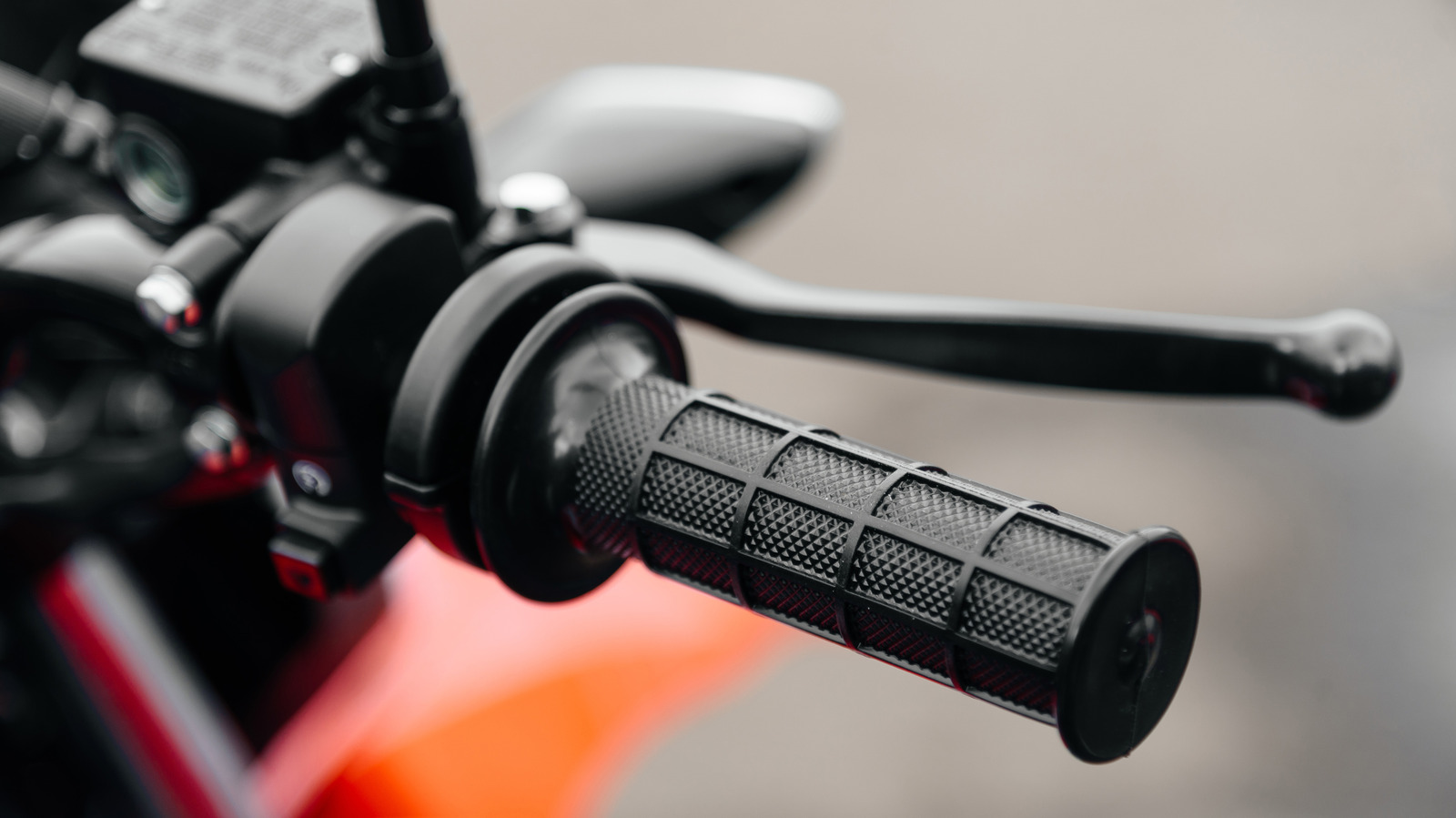
The 70/30 brake rule for motorcycles is a foundational technique in rider training that suggests approximately 70% of a motorcycle’s total stopping power comes from the front brake, while the remaining 30% is provided by the rear brake. This distribution is dictated by the physics of weight transfer, which occurs during deceleration. As a rider applies the brakes, the motorcycle’s center of gravity shifts forward, increasing the load on the front tire and reducing the load on the rear, according to guidance from the Motorcycle Safety Foundation (MSF).
Understanding how to manage this weight transfer is a critical skill for riders of all experience levels. While modern advancements like Anti-lock Braking Systems (ABS) have changed how riders interact with their machines, the principle of maximizing front-end traction remains a core element of motorcycle safety and emergency handling. Mastering this balance is essential for reducing stopping distances and maintaining control during sudden traffic stops.
The Physics Behind Weight Transfer
When a motorcycle is in motion, its weight is distributed between the two wheels. However, the moment the front brake is applied, the motorcycle’s momentum causes the chassis to pitch forward, compressing the front suspension. This phenomenon, often referred to as “nosing down,” forces the front tire harder into the pavement, which significantly increases its contact patch and, consequently, its available grip. The National Highway Traffic Safety Administration (NHTSA) notes that because the front tire gains traction during this process, it becomes the primary tool for slowing the vehicle effectively.
Conversely, the rear tire experiences a loss of downward force as the weight shifts forward. If a rider applies excessive pressure to the rear brake while the rear tire is losing load, the tire can easily break traction and begin to skid. A skidding rear tire provides little stopping power and can lead to a loss of directional control if the bike begins to slide sideways. Therefore, the 70/30 rule serves as a general heuristic to help riders prioritize the front brake while using the rear brake for stability and supplemental stopping force.
Modern Technology and the 70/30 Rule
The role of the 70/30 rule has evolved with the widespread integration of Anti-lock Braking Systems (ABS). Historically, riders were taught to modulate their brakes carefully to avoid locking the wheels. Today, the Insurance Institute for Highway Safety (IIHS) reports that ABS prevents wheel lockup by monitoring wheel speed and automatically adjusting brake pressure, allowing riders to maintain steering control even under maximum braking force.

Even with ABS, the physics of weight transfer remain unchanged. While a computer may prevent a lockup, the front tire still possesses significantly more mechanical grip than the rear. Many modern motorcycles now feature “linked” or “combined” braking systems, which automatically apply a portion of the rear brake when the rider activates the front brake—or vice versa—to assist in achieving an optimal balance of deceleration. Riders are encouraged to consult their owner’s manual to understand whether their specific motorcycle model utilizes a linked braking system, as this can fundamentally change the required input for emergency stops.
How to Practice Effective Braking
Developing muscle memory for controlled, progressive braking is necessary for rider safety. According to the MSF Basic RiderCourse Handbook, the most effective way to stop is to apply both brakes simultaneously, using a “squeeze and release” motion rather than a sudden “grab.” This progressive application allows the motorcycle’s suspension to settle and the weight to transfer to the front tire before maximum braking pressure is applied.
To practice this safely, riders should seek an empty, flat parking lot away from traffic. Key steps include:
- Gradual Application: Start by practicing front brake application at low speeds to feel the weight shift.
- Combined Use: Always practice using both the front and rear brakes together to build the habit of total system engagement.
- Look Up: Keep your head and eyes up, looking toward your escape path or the point where you want to stop, rather than looking down at the front wheel or the obstacle.
- Progressive Pressure: Increase the pressure on the levers smoothly. Sudden, jerky inputs are the leading cause of instability during a stop.
Common Misconceptions
A common myth in the motorcycling community is that the rear brake should never be used, or that it is “dangerous.” While an over-applied rear brake can cause a skid, the rear brake remains a vital component for low-speed maneuvering, such as U-turns, and for stabilizing the bike during slow-speed stops. According to reports from the National Safety Council, proficient riders use the rear brake in tandem with the front to achieve the shortest possible stopping distances and to maintain a level, controlled chassis posture.

Another misconception involves the fear of “flipping” the bike over the handlebars. While this is a theoretical possibility on bikes with extremely high centers of gravity or very sticky tires, modern motorcycle geometry and suspension design make this highly unlikely for the average commuter. The risk of failing to stop in time due to under-utilizing the front brake is statistically much higher than the risk of an “endo” or “stoppie” during a standard emergency stop.
The industry continues to emphasize that training is the most effective way to translate these mechanical principles into real-world riding habits. Local safety councils and motorcycle dealerships frequently host training sessions for riders looking to refine their emergency stop procedures. As of 2024, many jurisdictions offer advanced rider clinics that utilize telemetry to provide feedback on how riders apply brake pressure in real-time. Riders interested in improving their skills should check their regional department of motor vehicles or local safety organizations for the next available training date.
Have you practiced your emergency braking techniques lately? Share your thoughts on how your motorcycle’s braking system has changed your riding habits in the comments below.
Related reading