The Crucible of Change: Assessing England’s Cricket Leadership adn Future Direction
England’s recent performance raises critical questions about the balance of power within its cricket hierarchy. Currently, managing director Rob Key appears most vulnerable to change, simply as he represents the most readily removable figure for those at the top – ECB chief executive Richard Gould and chair Richard Thompson.But the issues run deeper than one individual; a fundamental shift in leadership dynamics may be required to restore sustained success.
The Peril of Uniformity in Leadership
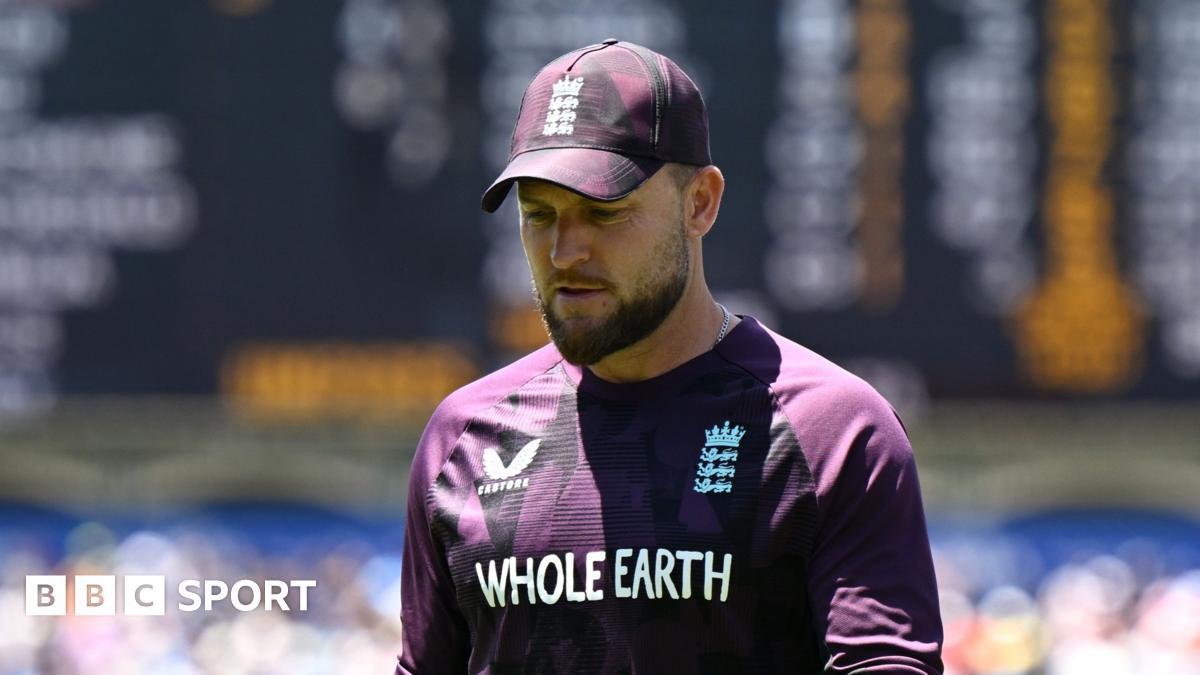
Interestingly,the current trio of Key,Ben Stokes,and Brendon McCullum share a remarkably similar outlook. Historically, England’s greatest triumphs have emerged from contrasting leadership styles. Consider the dynamic between captain Michael vaughan and coach Duncan Fletcher in 2005, or the pairing of the resolute Eoin Morgan and the relaxed Trevor Bayliss, who guided England to the 2019 World Cup victory.
These prosperous partnerships thrived on constructive tension and diverse perspectives.You need that friction to truly challenge assumptions and refine strategy.
Key’s role: Facilitator or Challenger?
Rob Key is undoubtedly a likeable figure, but it’s fair to question whether he’s allowed Stokes and McCullum too much autonomy. Stokes’ on-field captaincy is inspirational, and McCullum’s coaching attitude is undeniably positive. However, these strengths require grounding in robust preparation and strategic planning.
Instead of providing that necessary counterbalance, Key seemingly endorsed their approach. This isn’t about stifling innovation; it’s about ensuring a rigorous process underpins the exciting, attacking style of play.
The Need for a Contrarian Voice
Thus, england needs someone with a more traditional, analytical mindset to challenge prevailing ideas and oversee the evolution of the team. Alec Stewart, with his extraordinary track record at Surrey, emerges as a strong candidate. He possesses the experience and authority to offer a different perspective.
Ultimately, a healthy dose of skepticism and a willingness to question the status quo are vital for sustained improvement.
Player Development and Preparation: A Critical Link
Despite recent struggles, promising players like Zak Crawley and Jamie smith demonstrate England’s potential. Crawley’s elegant 85 in the recent match, following a period of inconsistency, highlights his capabilities. Similarly,Smith’s 60 in the second innings,after initial difficulties,suggests underlying talent.
However, these flashes of brilliance underscore a recurring theme: inadequate preparation. You can’t rely solely on natural ability; consistent, focused training is paramount.
Lessons from Australia: A Case Study in Preparation
Remember the second Test in Brisbane? I half-jokingly predicted improved performance in Adelaide, reasoning that the first two matches served as warm-ups. Unluckily, that’s precisely what unfolded.
Had England replicated their second-innings batting performance from Perth in the early stages of the series, the outcome could have been dramatically different. This illustrates the critical importance of arriving fully prepared for each contest.
Fostering a Culture of Open Communication
Beyond tactical adjustments, Stokes and McCullum must also assess the habitat within the dressing room. While we can’t know the full dynamics, it’s crucial to ensure players feel empowered to voice their opinions.
Do team members feel comfortable challenging the established narrative? Is ther room for dissent, or is conformity expected? A truly successful team fosters open communication and encourages constructive criticism.
England’s path forward requires a careful recalibration of its leadership structure and a renewed commitment to thorough preparation. Addressing these issues will be essential to unlock the team’s full potential and achieve sustained success on the world stage.
Worth a look